Imagine turning a hardy green plant in your backyard into a thriving business. Starting an aloe vera gel manufacturing business in India is a practical opportunity for students and small-town entrepreneurs in 2025.
- Market Size and Demand Growth – Aloe Vera Gel Business
- Health Benefits of Aloe Vera
- Investment and Cost Breakdown
- Step-by-Step Guide: How to Start an Aloe Vera Gel Business
- Equipment and Raw Materials Needed for Aloe Vera Gel Business
- Legal and Regulatory Requirements
- Profit Potential
- Innovative Product Ideas and Variants
- Marketing Strategies
- FAQs
- Conclusion and Next Steps
- Disclaimer
- Related Resources:
The market is booming: rising health awareness and a preference for natural skincare are driving up demand. In fact, the global aloe vera gel market is set to nearly double from about $310 million in 2023 to $603 million by 2033 – alliedmarketresearch.com. India’s own aloe market is growing fast too — forecast to reach around $50.5 million by 2033 (from $29.1M in 2024) – imarcgroup.com. This guide will walk you through every step: from understanding the market and health benefits of aloe, to calculating investment, setting up the plant, and marketing your gel. The tone is friendly yet practical, giving a mentor-like pep talk to help you launch your aloe vera gel business in India with confidence.
Market Size and Demand Growth – Aloe Vera Gel Business
The outlook for aloe vera products is strong. Consumers worldwide want natural remedies, and aloe fits perfectly. A recent analysis projects the global aloe vera gel market to grow at about 6.9% CAGR, doubling over the next decade. India is part of this trend: the domestic aloe vera market (including gels, juices, powders) is expanding at around 6.3% CAGR. In 2024 it was valued at ~$29 million and could exceed $50 million by 2033. Demand comes from multiple sectors: cosmetics companies, herbal supplement firms, food/beverage makers and more – npcsblog.comlinkedin.com.
Indian herbal and FMCG companies are increasingly using aloe in products (soaps, creams, drinks). India also earns over ₹1,200 crore annually by exporting aloe-based goods. Major buyers include the US, UAE, and Europe, indicating strong global appetite. This export potential means you could start locally and aim for national and international sales. Government programs (like support under AYUSH or agri-subsidies) are also encouraging herbal startups.
Key drivers: consumers want organic and natural products. For example, reports note a trend toward organic ingredients in personal care, boosting aloe demand. Even niche products do well: in early 2025 an Indian brand launched two 100% Ayurvedic aloe gel variants (plain Aloe Vera Gel and an Illuminating Rose Gel) to tap the demand for natural skincare. Young entrepreneurs in Tier-2/3 cities can ride this wave by offering authentic, locally-made aloe gel.
Health Benefits of Aloe Vera
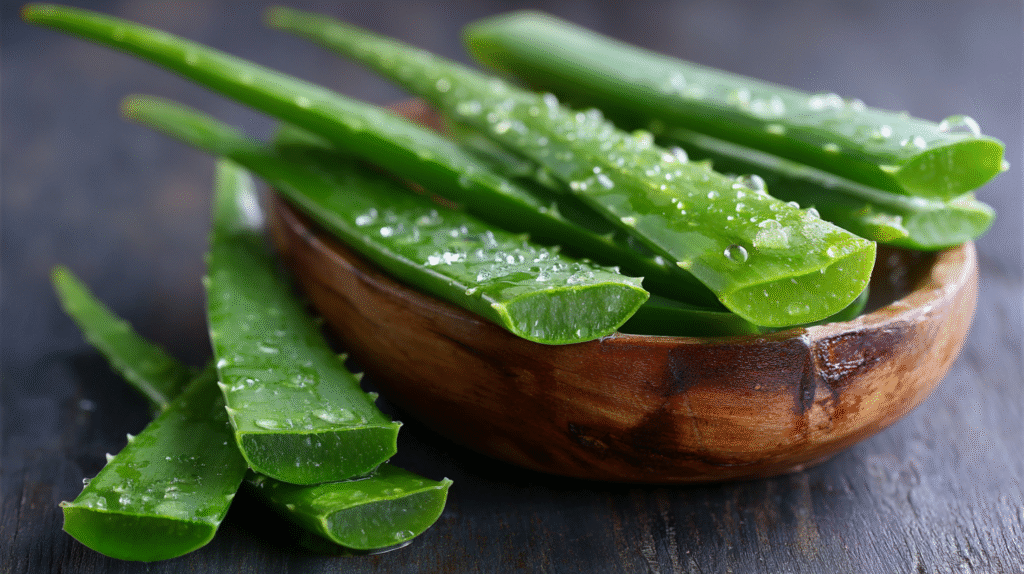
Aloe vera is famous for its health and skincare benefits, which is why consumers love aloe gel products.
Skin healing and soothing: Aloe gel soothes skin, making it popular in creams and gels for sunburn, dryness, and minor wounds as per the report conducted by the Cleveland clinic. Medical experts highlight that aloe contains antiseptic and anti-inflammatory compounds. For example, a dermatologist at Mount Sinai notes aloe gel can kill acne-causing bacteria (it contains salicylic acid) and calm skin inflammation (thanks to fatty acids). This makes aloe gel useful for acne, eczema, rosacea, and other irritations.
Moisturizing and anti-aging: As per the study conducted by the National Library of Medicine, Aloe gel’s inner leaf layer is ~99% water, plus vitamins and polysaccharides. This high water content plus nutrients makes aloe an excellent moisturizer. Vitamins A (beta-carotene), C and E in aloe act as antioxidants, helping the skin stay supple and reducing wrinkles.
Wound care and collagen boost: Studies show aloe stimulates fibroblasts (cells that produce collagen and elastin), speeding up wound healing and skin repair. Its enzymes and compounds promote regeneration of skin cells.
Hair and scalp health: Aloe is used in shampoos and oils. It contains vitamins A, C, E, B12 and folic acid which promote healthy hair growth. In fact, experts at healthline.com point out that aloe “contains vitamins A, C, and E… which contribute to cell turnover, promoting healthy cell growth and shiny hair”. It also gently cleanses the scalp and can reduce dandruff and itchiness.
Digestive and internal use: Aloe also offers internal health boosts. Drinking aloe vera juice is believed to aid digestion and reduce heartburn. It is rich in antioxidants, vitamins (A, C, B12) and minerals, which support immunity and eye health. For instance, one nutritionist from Cleveland clinic points out that aloe juice’s beta-carotene helps vitamin A levels, aiding vision. Because of these benefits, many Ayurvedic and wellness products include aloe as a key ingredient.
Nutritional value: Besides water, aloe gel has amino acids, enzymes, minerals and vitamins (like B12). This nutrient mix is often highlighted by marketers of aloe products.
In short, “Aloe vera gel benefits” are many: it cools and heals skin, hydrates, and may improve digestion. When marketing your gel, highlight these proven benefits. Customers appreciate knowing the science and will trust a locally-made gel that delivers natural healing.
Investment and Cost Breakdown
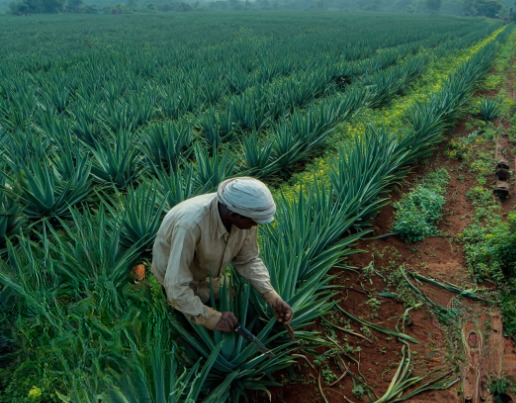
Starting small aloe gel production can be done on a moderate budget. Costs break down roughly into fixed setup and ongoing expenses:
- Land/Building: A small factory or shed (1,000–2,000 sq.ft.) might cost a few lakh rupees or can be rented. For example, a project report by shesightmag.com assumes a 500 sq.ft. shed at ₹2 lakh.
- Machinery & Equipment: Core processing machines (leaf cutter, gel extractor, filtration unit, pasteurizer, mixers, filling/sealing machines) are the biggest spend. Expect ₹10–30 lakh for a semi-automatic line, depending on scale – npcsblog.com. Machinery is estimated at ~₹18 lakh. NPCS consultants also cite total equipment investment of ₹10–30L for medium scale.
- Furniture and Fixtures: Basic tables, shelves, lab counters, chairs, etc. – on the order of ₹1–2 lakh.
- Working Capital: Cash for raw materials, utilities, wages, and initial packaging. A benchmark report suggests roughly ₹3.3 lakh working capital for the first few months.
- Raw Materials: Costs for fresh aloe leaves (the main input) and additives. Bulk aloe leaves (buying from farmers or growing) might be around ₹15–20 per kg (organic-grade) as per exportersindia.com. You will also budget for preservatives (citric or ascorbic acid), packaging (bottles, labels), and other ingredients like Vitamin E or herbal oils.
All told, shesightmag.com study projects a total initial investment of about ₹24–25 lakh for a small unit (including factory, machinery, and initial inputs). NPCS estimates for a 500–1000 kg/day unit range ₹15–50 lakh in total. These numbers can vary by region and capacity. If funds are tight, you could start at very small scale with manual tools (even a home setup) and reinvest profits to expand.
Key tip: leverage government subsidies and schemes (PMFME, MSME, Agri subsidies) to offset costs. Always get multiple quotes for equipment and consider used/refurbished machines for savings.
Step-by-Step Guide: How to Start an Aloe Vera Gel Business
Launching your aloe vera gel business can be broken into clear steps:
- Research & Plan: Learn basics of aloe cultivation and gel processing (our guide and resources can help). Write a simple business plan. Decide your product focus (pure gel, blends, juice, etc.) and budget.
- Register Your Business: Choose a business structure (sole proprietorship or small Pvt Ltd) and get it registered. Apply for GST registration early (mandatory if turnover exceeds ₹20 lakh; even below that it lends credibility). Also consider registering under Udyam (MSME) for benefits.
- Licensing & Compliance: Depending on your product:
- If you market the aloe vera gel as a food supplement or drink, register with FSSAI (Food Safety).
- If you call it an Ayurvedic cosmetic, you might need an AYUSH license or comply with cosmetic labeling rules.
- Always follow Good Manufacturing Practices (GMP) and label your product correctly (ingredients, batch no, MRP, FSSAI/ISO marks, etc.). Regulatory filings can be tricky, so consult a local consultant if needed.
- Arrange Funding: Use savings, bank loans, or collateral. Khadi and Village Industries Commission (KVIC) often provides term loans and subsidies for herbal projects. Crowd-funding or microfinance might also help for small scale.
- Setup Location: Secure a clean space for production (even a garage can work if sanitary). Install basic infrastructure: running water, power, ventilation. Allocate separate areas for raw material storage, processing, and packaging.
- Source Aloe Vera: Find a reliable aloe vera supply:
- Farm your own: Aloe vera farming in India is hardy – it grows on degraded land with little water. It matures in ~8-12 months and yields for 3-5 years. You can start with a few hundred saplings (aloe vera plant price in India ₹20-50 each in nurseries) and expand acreage.
- Contract Farmers: Partner with local farmers. They can grow aloe on their land (e.g. in Rajasthan, Gujarat, TN). Agree on quantity and buying price.
- Buy Leaves: Some regions have fresh-leaf markets. The leaves should be processed within 4-6 hours of harvesting to preserve nutrients.
- Buy Equipment: Purchase or fabricate essential machines:
- Leaf Washer & Cutter: For cleaning and chopping leaves.
- Gel Extractor (Manual or Motorized): Scrapes and squeezes clear aloe vera gel pulp.
- Filtration Unit: Removes fibers from the gel.
- Mixing & Heating (Pasteurizer): Homogenizes and can sterilize the gel (some brands add citric/ascorbic acid as preservative).
- Filling & Sealing Machine: To bottle your gel hygienically.
- Optional: Spray dryer (to make aloe powder), labeler, and a small lab kit for quality checks.
- (NPCS notes that machinery for a medium line can cost ~₹10-30 lakh.)
- Set Up Production: Follow basic processing steps:
- Wash and sanitize leaves thoroughly to remove dirt and bacteria.
- Peel the leaves: Remove the tough green rind to expose the inner clear gel.
- Extract the gel: Collect the transparent pulp (some pasteurize it right away, or cold-press it).
- Filter the gel to remove any solid fibers or debris.
- Stabilize the gel: Add food-grade preservatives (e.g., citric acid or potassium sorbate) and mix well. This keeps the gel fresh longer. Some add vitamin E or herbal extracts at this stage.
- Package: Fill the gel into sterilized jars or tubes under hygienic conditions. Label with brand name and information.
- Quality Testing: Ensure your gel is safe and effective. Even simple pH tests and microbial tests (outsourced lab) can prevent problems. Highlight “pure” or “organic” if your methods allow.
- Launch and Sell: With product in hand, start marketing (see below). You might begin by selling to friends, local markets, Ayurvedic shops, or online. Collect feedback to refine your product and packaging.
Each of these steps can be broken down further, but even a first-time entrepreneur can follow this checklist. For more tips on financing, marketing, or operations, check related articles on entrepreneurship and finance basics.
Equipment and Raw Materials Needed for Aloe Vera Gel Business
To run your plant, you’ll need:
- Equipment List: Aloe leaf washer, leaf cutter/chopper, gel extractor (manual or automated), filtration system, mixing tank (with stirrer), heating unit for pasteurization, filler/sealer for bottles, labeling machine. If diversifying, a spray dryer or freeze dryer can make aloe powder. A simple quality lab (pH meter, thermometer, test kits) is useful. A report by NPCS emphasizes that a complete setup (500–1000 kg/day) may require ₹10–30 lakh in machinery.
- Raw Materials:
- Fresh Aloe Leaves: The heart of your business. These should be free from chemicals/pesticides. Bulk prices vary; exporters list organic aloe barbadensis leaves at ~₹15–20 per kg. In retail nurseries, young aloe vera plant price in India is in the range of ₹20-60 each.
- Additives & Preservatives: Food-grade citric acid or ascorbic acid (for pH adjustment and spoilage control), potassium sorbate or sodium benzoate (preservatives), Vitamin E oil or essential oils (for skin products), herbal extracts (like neem or rose) if making special blends.
- Packaging Materials: Bottles (plastic or glass), jars, tube containers and closures. We recommend sturdy, food-grade containers. You might start with simple plastic jars (₹5-10 each) and upgrade later. Labels, boxes, and shrink seals are also needed.
- Utilities: Water (for cleaning leaves and diluting gel), electricity (for machines), and possibly cold storage (gel is sensitive).
- Miscellaneous: Gloves, sanitizer, sanitizing agents (bleach or ethanol), and cleaning supplies to maintain hygiene.
Cost Ranges (rough estimates, may vary by region): Fresh aloe leaves around ₹20/kg, citric acid ₹300/kg, bottling around ₹3-5 per unit for plastic jars, labels ₹1-2 each. A small batch of 100L gel might use 150-200 kg of leaves (roughly ₹3-4K input).
Legal and Regulatory Requirements
Before you start the aloe vera gel manufacturing business in India, ensure you comply with regulations:
- Business Registration: As noted, register your firm and obtain GST registration. If you brand your product, consider trademarking the name.
- FSSAI License: If you sell your gel as a food/drink/supplement or ingestible product, you must get an FSSAI license (state or central level, depending on scale). Even topical gel for skin can fall under “Health Supplement” rules if ingestible claims are made.
- Cosmetic License (or AYUSH): If marketed as a cosmetic or Ayurvedic product (common in herbal businesses), register under the Drugs and Cosmetics Act. Some small makers use the AYUSH channel for Ayurveda claims. This involves getting a Certificate of Pharmaceutical Product or a cosmetology license.
- GMP Standards: Follow Good Manufacturing Practices. This means a clean plant, trained staff, and record-keeping for hygiene. Audits by FSSAI or AYUSH can happen, especially if you scale up.
- Taxes: Aloe vera gel is usually taxed as a cosmetic item (GST ~18%). Keep proper accounts.
- Environment & Local: Unlikely to need heavy clearances, but waste disposal (solid aloe waste) should be managed (e.g., compost or bio-fertilizer). Some states require a local trade or factory license.
- Labeling Rules: Per FSSAI and Bureau of Indian Standards (BIS), labels must list ingredients, net weight, MRP, manufacturing date, batch number, shelf life, license number, etc.
- Trademark and Branding: Choose a unique brand name and register it as a trademark. This protects your identity and is important if you scale up.
- Trademark (Brand) Registration: Protect your brand name/ logo through the IP India trademark registry. This helps in branding and expansion.
Meeting these requirements can seem daunting. As one industry report notes, navigating FSSAI/AYUSH and export certifications is complex. Budget for consultation (₹5-10k) to get this right. It adds credibility to show “FSSAI Approved” or “Organic Certified” on your product.
Profit Potential

Image Source: Pexels
Aloe vera gel manufacturing business in India can yield healthy profits, provided you control costs and find the right market. The raw material (aloe leaves) is inexpensive and regenerates each year, so once the plant is set up, margins can be significant.
For example, first-year gross sales of about ₹66 lakh and net profit around ₹5.3 lakh. By year 5, sales rise to over ₹1.1 crore with profit ~₹17.4 lakh. This implies that on a ~₹25 lakh investment, you could break even in a couple of years and achieve decent returns. Your actual profit will depend on product pricing and scale. Pure aloe gel often sells at ₹50–200 per liter (depending on brand, purity, and packaging), while production cost (leaves + processing) might be ₹10–30 per liter. That suggests gross margins of 60–80% if you keep overheads low.
Key to profit is value addition. Selling basic gel in bulk to local shops or online will give lower margins than branding a premium organic product. If you diversify (e.g. cosmetic formulations, juice bottles, or health capsules), you can charge more. Also, targeting export markets can multiply revenue (export demand is high; India earns over ₹1200 Cr from aloe products annually.
Ultimately, profitability boils down to scale, efficiency, and marketing. Even a part-time producer selling modest quantities can cover costs, while a well-run unit can become a substantial income source.
Innovative Product Ideas and Variants
Beyond plain aloe vera gel, think creatively to capture customers:
- Organic/Herbal Blends: Many consumers want “organic aloe vera gel”. Consider getting organic certification and marketing your gel as chemical-free. In 2022, brands like Organic Harvest launched a new organic aloe vera gel line to tap this market.
- Aloe Beverages: Aloe juice and smoothies are trendy. You could bottle flavored aloe drinks (lemon-aloe, mint-aloe) or concentrate for health drinks.
- Cosmetic Mixes: Add natural extracts (e.g., rose water, neem, turmeric) to make face gels or masks. For example, a company in early 2025 launched two aloe gels: one plain “Soothing Aloe Vera Gel” and one “Illuminating Rose Gel”.
- Powdered Aloe: Dry your gel into powder for capsules or face masks. Aloe powder has long shelf life and suits Ayurvedic pill-makers.
- Personal Care Products: Use aloe gel in shampoos, soaps, creams, lip balms, or pet care (aloewash for dogs). The multipurpose nature of aloe means it can be an ingredient in many formulations.
- Value-Added Bits: Offer small travel sachets of gel, aloe face sheets, or even spa treatments. Packaged novelty (like eco-friendly tubes) can charge a premium.
When brainstorming, keep your local market and your capabilities in mind. For instance, youth-oriented variants (like aloe + multivitamin drink) or festival hampers could stand out. Research trending ingredients (like saffron, citronella, tea tree oil) to pair with aloe. The goal is to differentiate your brand.
Remember to highlight “aloe vera gel benefits” in marketing – soothing skin, boosting immunity, etc. Whether it’s pure gel or a mixed product, emphasize these natural benefits to appeal to health-conscious buyers.
Marketing Strategies
Getting your product noticed will require both digital and local outreach:
Define Your Niche: Will you sell pure aloe gel as a standalone product, or as an ingredient in cosmetics/health foods? Identify target customers: health-conscious youth, herbal skincare users, local markets, etc.
Branding and Packaging: Invest in attractive, clear packaging. Use labels that highlight “100% natural”, “chemical-free”, “organic aloe” if applicable. Eco-friendly packaging can be a plus. Clear containers that show the gel’s color/clarity can attract customers.
- Online Sales Channels: E-commerce is huge in India now and solves the most important question – where can I sell aloe vera products? List your products on platforms like Amazon, Flipkart, and Meesho, and on social media shops. Set up your own website or online store (even a simple one) to accept orders. Use SEO and content marketing: optimize for keywords like “organic aloe vera gel”, “aloe vera gel benefits”, etc. This helps people find you on Google.
- Social Media & Influencers: Create a brand page on Instagram, Facebook, and Pinterest. Post photos and tips (e.g., aloe gel uses, DIY masks) to engage followers. Partner with local health/beauty influencers or neighborhood Instagrammers to review your product. Young buyers rely on peer recommendations online.
- Local Retail & Pharmacies: Approach local grocery stores (kirana shops), pharmacies, Ayurvedic outlets and wellness centers. Offer them samples or small wholesale rates. Salons and spas often use aloe gels and may carry branded supplies.
- Farmers Markets & Fairs: Set up stalls at organic food markets, expos, or village fairs. Offering live demos (applying aloe gel on sunburn, for instance) can attract crowds. Word-of-mouth in community events is powerful.
- Content & Education: Many consumers don’t fully grasp aloe benefits. Publish simple how-to guides (e.g. “5 ways to use aloe vera gel”) on social media or blogs. Education builds trust. For example, you might create a pamphlet or video showing how to use aloe gel for sunburn or dry skin.
- WhatsApp and Community Groups: In smaller towns, WhatsApp groups are a great way to spread the word. Send product photos, testimonials or short videos to local community and school groups.
- Co-marketing: Partner with complementary businesses. For instance, a local yoga studio or herbal cafe might be willing to promote your aloe gel. Cross-promotion can be low-cost and effective.
- Online Advertising: If budget allows, run targeted Facebook/Instagram ads for your region or Google Ads for keywords like “aloe vera skincare India”. These can directly drive traffic to your store.
- Export Promotion: Since exports of aloe products are lucrative, consider international channels once your brand is established. Use Indian government export portals (APEDA) or partner with exporters.
- Certifications as Marketing: If you obtain certifications (organic, GMP, ISO), display them on packaging and ads. They add trust.
- Attend health & beauty fairs and farmers’ markets to showcase and sell directly. Aloe gel demos (e.g. on hands for sunburn) can engage customers.
- Offer trial packs or sachets for first-time buyers.
Wherever you sell, emphasize quality and branding. A clean, professional label and attractive packaging can justify a higher price and attract urban customers. Testimonials and reviews (once you have happy customers) will help conversion.
For offline marketing tips, see our CareerGrowKaro guide on low-budget local tactics – for example, posters, free samples, and local radio – which can be applied to aloe vera businesses as well. The key is reaching people who value natural products in both your hometown and online.
FAQs
Q1: How to start aloe vera gel business in India from home?
Answer: Starting an aloe vera gel manufacturing business in India is very simple. You can begin very small. Convert a clean room or garage into a mini lab: buy a gel extractor and a few bottles. Grow (Aloe vera farming in India is pretty simple) or buy aloe leaves from local farmers (try the prices discussed above). Follow food-grade hygiene. Obtain a small-scale FSSAI (or provisional) license, and start selling to friends or neighbors. Reinvest profits to scale up. Our step-by-step list (above) and community resources can guide you on permits and basic processes.
Q2: How much investment do I need?
Answer: In order to start the aloe vera gel manufacturing business in India, the investment varies by scale. A modest startup (servicing local shops or online sales) can start under ₹5 lakh if you do some work manually and buy minimal equipment. For a 500 kg/day semi-automated unit, estimates range ₹15–50 lakh including machinery. You should budget for machinery (~₹10–30L), a shed/rent, and raw material costs. Use the KVIC project example as a model (about ₹24.8 lakh total).
Q3: What about profit margins?
Answer: Aloe vera farming profit per acre can be high if you market well. Processing costs are low (plants regrow, water is cheap). Data suggests net profit margins rising from ~8% in year 1 to over 15% by year 5. In practice, many small producers achieve ~50-80% gross margins on gel if they sell branded, because selling prices (₹100-200/L) far exceed production costs. Higher margins are possible with value-added products like herbal blends or juices or simply selling an organic aloe vera gel.
Q4: How long until I see profit?
Answer: If demand is good, you could break even in 1–2 years. Aloe vera plants themselves take ~8-12 months to mature (though you can buy mature leaves to start immediately). Once running, a well-marketed product can earn back the setup cost in a couple of years, as shown by typical ROI timelines in small business plans.
Q5: Do I need special training to start aloe vera gel business in India?
Answer: Formal training isn’t mandatory to start aloe vera business in India. However, basic knowledge of herbal processing and small-scale manufacturing is very helpful. You can get this from short courses (like from agricultural universities or workshops) or online tutorials. Key skills: hygienic handling of herbs, understanding of food/cosmetic safety norms, and basic business accounting.
Q6: Where do I find aloe vera plants or leaves?
Answer: Look for local nurseries or agriculture markets. North-West India (Rajasthan, Gujarat), South India (Tamil Nadu, Andhra) have aloe farms. Small farmers often sell bulk leaves at ₹15-30/kg. Aloe vera farming in India is easy you could also start a mini farm using saplings. The aloe vera plant price in India is in the range of ₹20-50 each. Over time, contract farming (supporting villagers to grow aloe) ensures steady supply and increase in aloe vera farming profit.
Q7: What licenses or registrations are required?
Answer: Starting an aloe vera gel business in India will need a firm registration (GST/Udyam) and the appropriate product license:
- FSSAI for edible products (juices, supplements, even if applying on skin as health claim).
- Cosmetic License/AYUSH for cosmetic or Ayurvedic gels.
- Follow labeling and purity standards. It’s wise to check FSSAI’s advisory for aloe products. Our section above and the NPCS report note that compliance can be tricky, so consider professional help.
Q8: Where to sell aloe vera products?
Answer: Everywhere! Online on marketplaces (Amazon, Flipkart), social media, your own website. Offline at health stores, beauty salons, pharmacies, and organic markets. Many start by selling to friends or at local fairs. The Ordefy guide (see where to sell aloe vera) lists direct-to-consumer and B2B channels – salons, wellness centers, etc. Export is also an option, as Indian aloe is in demand globally.
Conclusion and Next Steps
Launching an aloe vera gel manufacturing business in India is both inspiring and doable, especially in 2025 when natural products are in vogue. We’ve covered the market potential, health science, startup steps, costs, equipment needs, legalities and marketing tactics. The big picture: with a few lakhs of investment, careful planning, and hustle, a young entrepreneur from a tier-2 town can create a brand that reaches far beyond local limits.
Start small — perhaps by making your first batch at home or renting minimal space — and validate your product among friends and family. Use feedback to refine your gel’s texture, fragrance, or packaging. Highlight the “organic aloe vera gel” angle if you can source clean plants and avoid chemicals, since many consumers will pay extra for guaranteed purity.
Remember, entrepreneurs are problem-solvers. The “green gold” of aloe vera can solve customers’ needs (soothing skin, health) while also generating income for you. With consistency and the strategies above, you could expand from a handful of bottles a month to a thriving small business.
Take the leap today – reach out to local aloe farmers, sketch a simple processing plan, and make a prototype jar of gel. Use the momentum of the 2025 green wave: we believe in your vision. Your action today could sprout the next big herbal startup in India.
Disclaimer
This article is for informational and educational purposes only. The figures and examples given (from sources like KVIC and NPCS) are illustrative. Actual costs, revenues, and timelines can vary based on location, scale, and market conditions. Readers should conduct their own detailed research, financial analysis, and consult legal/accounting professionals before starting a business. CareerGrowKaro and the author do not guarantee business success or profitability.
Related Resources:
Areca Leaf Plate Business in India 2025 – Proven Profitable Startup Blueprint
Sweet Dark Chocolate Business in India – How to Start & Profit in 2025