
You don’t need to be a “perfect” artist to start creating comics.
- How Comic Creation Works in Real Life
- Step 1: Choose Your Style & Niche
- Step 2: Write a Simple Comic Script
- Step 3: Sketch Characters & Panels
- Step 4: Digitize Your Comic
- Step 5: Add Dialogues, Fonts & Layout
- Step 6: Publish Your Comic
- Step 7: Grow Audience & Monetize
- Beginner Roadmap (Day 1–30) to Create Comics for Beginners
- Best Free Resources to Create Comics for Beginners
- Best Beginner Comic Ideas in India for Beginners to Go Viral
- Conclusion
No iPad.
No expensive software.
No fancy setup.
And honestly, you don’t even need amazing drawing skills to begin.
What really matters is your idea, your consistency, and the courage to put your work out there.
Right now in India, a new wave of creators is building strong personal brands just by posting simple, relatable comics on Instagram. Some use stick figures, some draw rough doodles; but they still get thousands of likes, shares, and followers. Why? Because their content feels real. It connects.
Think about it; people don’t scroll Instagram looking for perfect art. They stop when they see something that makes them laugh, feel understood, or say, “This is so me!”
If you’ve ever had thoughts like:
“Yaar, I have so many ideas but I don’t know where to start…”
or
“I’m not good at drawing; maybe comics aren’t for me…”
Then this guide is exactly for you.
At Careergrowkaro, we believe that creative careers should be accessible to everyone; not just professionals with expensive tools. Whether you’re a college student, a beginner artist, or just someone with funny or emotional ideas, you can start your comic journey today.
In this guide, you’ll learn how to create comics for beginners, step by step, using simple tools, practical methods, and real strategies that actually work in today’s Indian content space.
In this guide, you’ll learn how to create comics for beginners, step by step, using simple tools, practical methods, and real strategies that actually work in today’s Indian content space. If you’ve been searching for how to create comics for beginners without expensive tools or experience, this guide will simplify everything for you.
No confusion. No overthinking.
Just clear steps to help you start and grow as you create comics for beginners.
How Comic Creation Works in Real Life
Let’s be real, most beginners in India don’t start with fancy setups or professional tools.
- You probably don’t have an iPad or drawing tablet
- You use your phone more than your laptop
- And yes, you want quick growth on platforms like Instagram
And that’s completely okay.
In fact, this is exactly how most successful Indian comic creators started.
Most creators here are solo creators
They write, draw, edit, and post everything on their own, especially in the beginning.
Content is mobile-first
A huge part of comic creation in India happens directly on phones using apps like Canva or Ibis Paint. Even posting, editing, and replying to comments all happen on mobile.
The audience prefers relatable over perfect
Indian viewers don’t care if your art is Pixar-level. They care if your comic feels real.
The best content in India includes relationship humor dating struggles and crush moments and college life which includes attendance and exams and last-minute studies and family jokes about strict parents and “log kya kahenge” and everyday desi moments.
The real truth:
A simple, relatable comic can perform much better than a perfectly drawn but boring one.
Many beginners waste time trying to improve their drawing before posting. But in reality, growth comes from posting consistently and understanding your audience, not from perfect art when you’re trying to create comics for beginners.
If you want to create comics for beginners, you need to focus more on sharing your ideas than perfecting your drawings.
Comic creation in India requires beginners to focus on connection instead of achieving flawless results. When you create comics for beginners, relatability and consistency matter far more than artistic perfection.
Start simple. Stay relatable. And most importantly, just start your journey to create comics for beginners.
Step 1: Choose Your Style & Niche
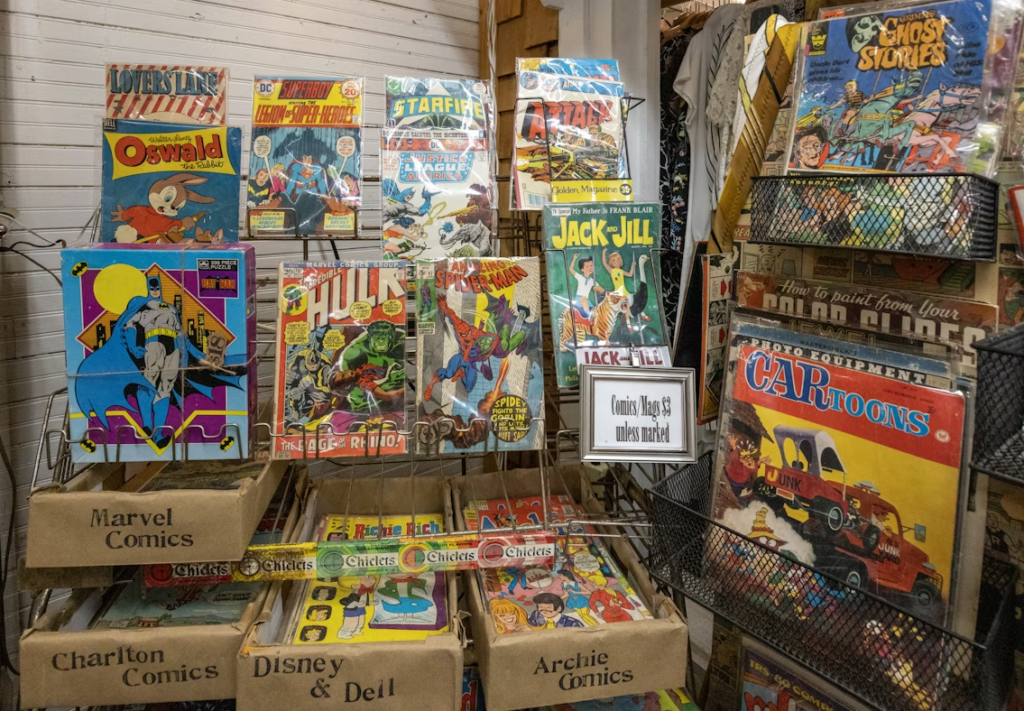
A. What to do
Start by picking ONE clear theme for your comics. Don’t overthink it; just choose something you already relate to.
Good beginner-friendly niches:
- College life (assignments, attendance, exams)
- Relationships (crush, dating, fights, cute moments)
- Funny daily struggles (procrastination, overthinking)
- Mental health (anxiety, self-doubt, motivation)
The goal is simple: pick a topic you can talk about again and again.
B. How to do it
Ask yourself these 2 questions:
- What do I think about daily?
- What do my friends always relate to or laugh about?
Your answers = your niche.
For example, if you constantly complain about college deadlines, that’s your content. If your friends always talk about relationships, that’s your angle.
Start small. Focus on ONE niche for at least 10–15 comics before experimenting.
C. Tools
- Notes app: Write down random ideas anytime
- Pinterest: Search for comic styles, poses, and inspiration
- Instagram: Observe what type of comics are getting engagement
Step 2: Write a Simple Comic Script
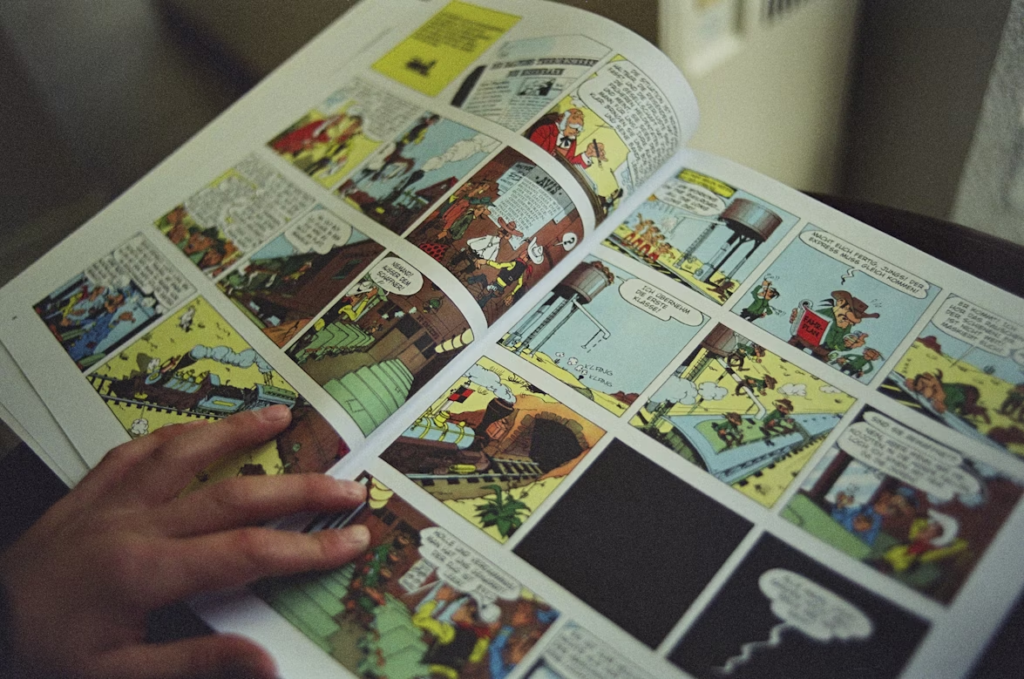
A. What to do
Turn your idea into a short comic script by breaking it into 3–6 panels.
Think of each panel as one small moment in your story.
Your goal is simple: setup → situation → punchline
B. How to do it
Start with a basic idea and divide it step-by-step.
Example:
- Girl studying seriously
- A phone notification pops up
- She opens Instagram
- “Just 5 minutes…”
- 2 hours later
See? Simple, relatable, and clear.
Keep your script SHORT and easy to understand. If it takes too long to read, people will scroll away.
C. Tools
- Google Docs: For organizing multiple ideas
- Notion: Great for planning content in advance
- Notes app: Best for quick ideas anytime
Tip: Maintain an “idea bank” where you store random thoughts—you’ll never run out of content.
Step 3: Sketch Characters & Panels
A. What to do
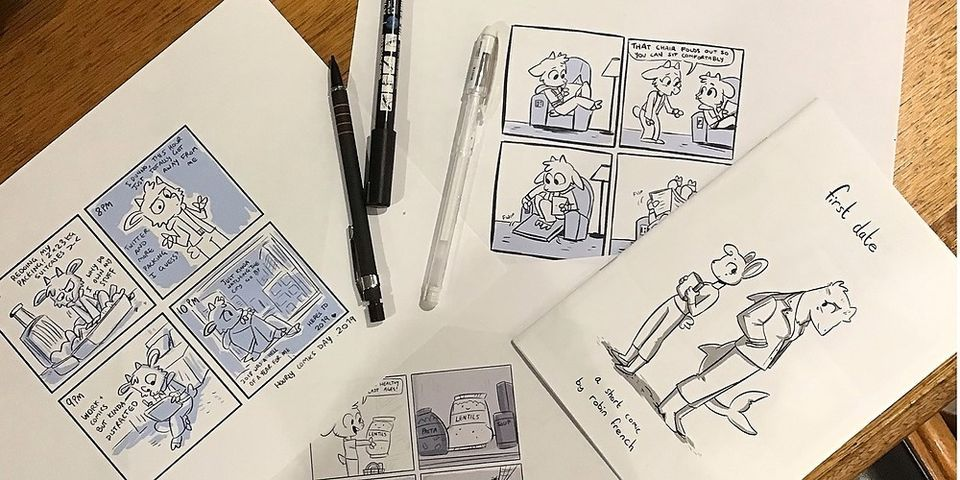
Start by creating very simple characters and arranging them into panels (boxes that show each step of your story).
You don’t need detailed drawings. Even basic figures work.
B. How to do it
- Begin with stick figures or simple faces (circle + eyes + expressions)
- Focus on showing emotions: happy, sad, shocked, tired
- Divide your page into 3–6 panels (boxes)
- Place one action or moment in each panel
Most importantly: use the same character again and again
This helps people recognize your content and builds your identity as a creator.
C. Example
Same girl character = your “main character”
Same hairstyle, same vibe = your brand
D. Tools
- Paper + pen (best for absolute beginners)
- Mobile apps (very popular in India):
- Ibis Paint X
- Sketchbook
You can start on paper and later trace it digitally.
Step 4: Digitize Your Comic
A. What to do
Now it’s time to turn your rough sketch into a clean digital comic that you can post online.
B. How to do it:
You have two simple options:
Option 1: From paper to digital
- Click a clear photo of your drawing
- Import it into a drawing app
- Lower the opacity and trace over it neatly
Option 2: Draw directly on your device
- Open a drawing app
- Recreate your panels and characters digitally
Keep lines clean and simple. No need for heavy detailing.
C. Tools
1. Mobile (Best for beginners in India)
Ibis Paint X (very beginner-friendly)
MediBang Paint (great for comic panels)
2. Laptop
- Krita (free and powerful)
- Clip Studio Paint (paid but widely used by comic artists)
Most Indian creators start on mobile; it’s convenient and enough to grow.
Step 5: Add Dialogues, Fonts & Layout
A. What to do
Now bring your comic to life by adding dialogues, speech bubbles, and a clean layout.
This is where your story actually connects with people.
B. How to do it
Add speech bubbles for conversations
Keep your text BIG, bold, and easy to read (especially for mobile screens)
Place text in a way that flows naturally from one panel to the next
Always check: Can someone understand your comic in 5–7 seconds?
If yes, you’re doing it right.
C. Tools
Canva: Super easy for adding text, bubbles, and layouts
Comic Draw apps: Built specifically for comics
Drawing apps (like Ibis Paint) also have text tools
D. Tip
Use Hinglish + real-life dialogue style
Examples:
- “Bas 5 min aur…”
- “Mummy aa gayi!”
- “Kal se pakka padhunga”
This instantly makes your comic more relatable for Indian audiences.
Also
Use short sentences
Highlight key words
Keep spacing clean
When you create comics for beginners, clarity and relatability matter more than fancy design.
Simple text + real emotions = strong engagement.
Step 6: Publish Your Comic
A. What to do
Start putting your comics out into the world, and do it consistently.
Your first few posts won’t be perfect, and that’s okay. What matters is showing up again and again.
B. How to do it
Choose platforms based on your style:
- Instagram: Best for beginners (quick reach, reels + posts)
- Webtoon: Great for storytelling and longer comics
- Reddit: Useful for honest feedback and improvement
Start with one main platform (Instagram) and stay consistent there before expanding.
C. Tips for better growth
- Post 3–4 times per week
- Try posting between 8 and 11 PM (works well for Indian audience)
- Use trending topics (exams, festivals, viral memes)
- Add relevant hashtags (#indiancomics #relatablecontent, etc.).
- Use Reels + Carousel posts for better reach
Bonus tip: Repost your comics as reels with simple animations or zoom effects—it increases visibility.
Step 7: Grow Audience & Monetize
A. What to do
First focus on building an audience, then think about earning.
Followers → Trust → Income
That’s the order.
Don’t rush into monetization too early. Your initial goal is to create content people enjoy and come back for.
B. How to do it
- Engage in comments: Reply to people, ask questions, start conversations
- Reply to DMs: Build a connection with your audience
- Collaborate with other creators: Helps you reach new people faster
- Stay consistent: Growth comes from showing up regularly
Treat your followers like a community, not just numbers.
C. Ways to earn in India
Once you build a small but engaged audience, you can start earning through:
- Brand deals (₹2K–₹20K per post for beginners)
- Freelance comic work (for pages, brands, or startups)
- Merchandise (stickers, posters, notebooks)
- Digital commissions (custom comics for people)
Even with 2K–5K followers, you can start getting small paid opportunities if your content is good.
Beginner Roadmap (Day 1–30) to Create Comics for Beginners
Week 1: Clarity & Ideas
Before you start drawing anything, you need clarity—this week builds your foundation.
| Day Range | Focus | What to Do | Outcome |
| Day 1–2 | Choose Niche | Pick one niche (college, relationships, etc.) | Clear direction |
| Day 3–5 | Idea Generation | Write 5 comic ideas in notes | Idea bank ready |
| Day 6–7 | Refine Ideas | Shortlist best 3–4 ideas | Ready to create |
By the end of Week 1, you won’t feel lost anymore. You’ll have a clear niche and multiple ideas ready, which makes starting much easier when you begin to create comics for beginners.
Week 2: Start Creating
Now that your ideas are ready, it’s time to take action and actually create.
| Day Range | Focus | What to Do | Outcome |
| Day 8–9 | First Comic | Create your first comic (simple) | First draft ready |
| Day 10–11 | Second Comic | Create another comic | Better clarity |
| Day 12–14 | Third Comic | Complete 3rd comic | 3 comics ready |
Week 2 is where most people quit, but if you complete even 3 comics, you’re already ahead of most beginners. This is your execution phase, where learning truly begins—and where you actually start to create comics for beginners instead of just thinking about it.
Week 3: Start Posting
Creating is important, but growth only starts when you begin sharing your work.
| Day Range | Focus | What to Do | Outcome |
| Day 15–17 | First Posts | Post 1–2 comics on Instagram | Start visibility |
| Day 18–19 | Engagement | Reply to comments & DMs | Build connections. |
| Day 20–21 | Analyze | Check which post performs better | Learn audience preference |
By the end of this week, you’ll start understanding what your audience likes. Even small engagement will give you valuable insights and boost your confidence as you continue to create comics for beginners and improve with every post.
Week 4: Improve & Scale
Once you understand what works, the next step is to improve and stay consistent.
| Day Range | Focus | What to Do | Outcome |
| Day 22–24 | Improve Style | Clean drawings & text layout | Better quality |
| Day 25–27 | More Content | Create 2–3 more comics | Consistency |
| Day 28–30 | Scale & Experiment | Post regularly + try trending topics. | Growth momentum |
By Week 4, you’ll notice real progress; in your skills, speed, and confidence. This is where momentum starts building, helping you grow faster as you continue to create comics for beginners.
Best Free Resources to Create Comics for Beginners
Here are some free and beginner-friendly tools that will help you create comics for beginners easily, even if you have no prior experience or expensive setup.
!. Fonts
- Google Fonts: Google Fonts provides outstanding text resources that deliver both clarity and straightforward reading. The website offers a wide range of fonts that are perfect if you want to create comics for beginners with a clean and professional look. Users can download fonts to use through various applications, including Canva. For anyone trying to create comics for beginners, choosing readable fonts is very important, especially because most people in India view comics on mobile screens.
- DaFont: DaFont is a popular platform for creative and comic-style fonts. It offers handwritten, quirky, and fun designs that help you give personality to your characters. When you create comics for beginners, using the right font can make your dialogues more expressive and engaging. This platform is great for experimenting with different styles, but always check licensing before using fonts for monetized content. Beginners who want to create comics for beginners with a unique touch will find DaFont very useful.
2. Assets
- Freepik: Freepik provides free illustrations, backgrounds, and design elements that you can use to create your comics easily. If you’re trying to create comics for beginners and struggle with drawing detailed backgrounds, this platform can save a lot of time. You can download assets and customize them according to your comic style. It’s especially helpful for beginners who want to create comics for beginners without spending hours on complex drawings.
- Storyset: Storyset (by Freepik) offers ready-made animated and static illustrations that are easy to edit. You can change colors, styles, and characters based on your comic theme. If you want to create comics for beginners but don’t feel confident about your drawing skills, Storyset is a great starting point. It allows beginners to focus more on storytelling while still making visually appealing comics.
3. Templates
- Canva Comic Templates: Canva provides ready-made comic templates with panels, layouts, and text placements already designed. This makes it extremely easy to create comics for beginners without worrying about design structure. You just need to add your drawings and dialogues. Canva works smoothly on mobile, which is perfect for Indian creators. If you’re starting to create comics for beginners, this tool helps you save time and maintain a clean, professional look with very little effort.
Best Beginner Comic Ideas in India for Beginners to Go Viral
1. “Indian Mom vs Me” Series
This idea works because almost everyone in India relates to it.
How to execute:
Show small daily situations:
- Mom: “Phone chhod aur padhai kar.”
- Me: scrolling Instagram for 2 hours
Use the same “mom character” in every comic
Focus on exaggeration (strict vs lazy, emotional vs savage)
Make it a series, not just one post.
Example themes:
- Exam time
- Food arguments
- Sleep schedule
Why it works: It’s highly relatable and shareable; people tag their friends instantly.
2. “College Life: Reality vs Expectation”
Perfect for students, especially if you’re in college (which makes it even easier).
How to execute:
Divide your comic into 2 parts:
- Expectation (cool, aesthetic, fun life)
- Reality (assignments, attendance shortage, stress)
Example:
- Expectation: “I’ll study daily and stay organized.”
- Reality: “Kal se pakka padhunga.”
Use contrast; it makes the punchline stronger.
Why it works: Every student relates to the gap between what they thought college would be vs. what it actually is.
3. “Dating in India” Mini Comics
This is one of the most engaging niches right now.
How to execute:
Keep it short and relatable:
- “Typing… deleting… typing again.”
- “Seen at 2:15 AM”
Show awkward, funny, or emotional moments
Focus on micro-moments:
- First text
- First date
- Overthinking messages
Why it works: People love content that reflects their personal experiences, especially in relationships.
Conclusion
Starting your comic journey is not about being the best artist; it’s about taking the first step.
- Your first comic might feel awkward.
- Your drawings may not look perfect.
- And yes, your first post might get just 10–20 likes.
But that’s how every creator begins.
The difference between people who succeed and those who don’t is simple; they start and they stay consistent.
At Careergrowkaro, we strongly believe that creative careers don’t require perfection; they require action. Whether you’re a college student, a beginner artist, or just someone with relatable ideas, you already have what it takes to begin and create comics for beginners.
If you follow this guide to create comics for beginners and stay consistent for even 30–60 days, you’ll notice real growth. Not just in followers, but in your confidence, storytelling, and creativity. You’ll start understanding what your audience enjoys, what works, and how to improve with every post.
Remember, most people spend months thinking, planning, and doubting themselves. Very few actually start. The ones who succeed are those who take action early and continue to create comics for beginners without waiting for perfection.
So don’t wait for the “perfect time” or “perfect skills.”
Start messy. Start simple. Just start.
Pick an idea, create your first comic, and put it out there today.
Because your journey as a comic creator begins with just one post; and that post can change everything when you decide to create comics for beginners consistently.