
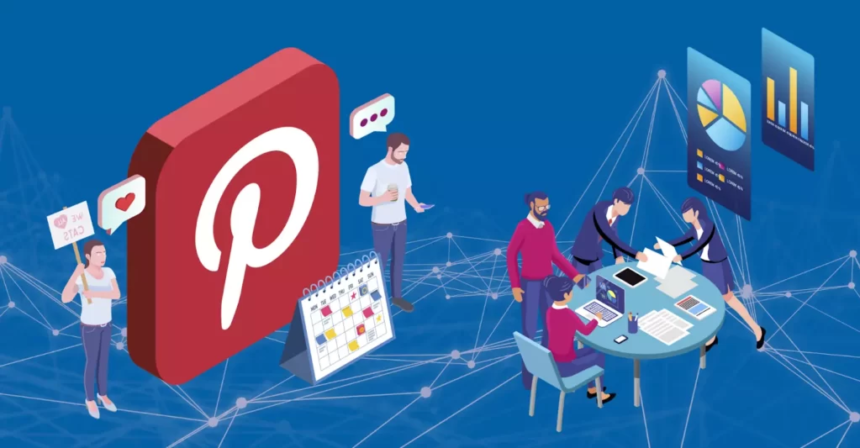
In today’s digital landscape, visual search platforms are becoming increasingly important for businesses looking to attract and engage online audiences. Among these platforms, Pinterest marketing has emerged as a powerful strategy for driving website traffic, increasing brand visibility, and generating qualified leads. Unlike social media platforms such as Instagram and Facebook, Pinterest functions more like a visual search engine, allowing users to discover, save, and revisit content long after it is published.
- What Is Pinterest Marketing?
- How to Create a Pinterest Marketing Strategy
- Pinterest Marketing Tools to Improve Results
- Comparison of Popular Pinterest Marketing Tools
- Why Pinterest Marketing Matters in 2026
- Benefits of Pinterest Marketing for Businesses
- Best Pinterest Marketing Tips for Beginners
- Conclusion
- Frequently Asked Questions (FAQs)
The platform’s growing influence is evident in its massive user base and strong purchase intent. Millions of people use Pinterest every month to find ideas, research products, learn new skills, and make buying decisions. This makes Pinterest marketing an effective channel for businesses, bloggers, educators, and marketers who want sustainable, long-term results rather than short-lived engagement.
Whether you run a small business, manage a personal brand, or work in digital marketing, understanding how Pinterest works can provide a significant competitive advantage. In this comprehensive guide by CareerGrowKaro, you’ll learn the fundamentals of Pinterest marketing, its key benefits, proven strategies, Pinterest SEO techniques, advertising options, and best practices to help you grow your online presence and achieve your marketing goals in 2026.
What Is Pinterest Marketing?
Pinterest marketing is the practice of using Pinterest to promote content, products, services, and brands to a targeted audience. Unlike traditional social media platforms, Pinterest functions as a visual search engine where users actively search for ideas, inspiration, and solutions.
1. Visual Discovery: Users find content through images and videos known as Pins, making visual appeal essential.
2. Search-Driven Platform: Pinterest relies heavily on keywords, allowing content to appear in relevant searches for months or even years.
3. Website Traffic Generation: Pins can link directly to blogs, websites, landing pages, or online stores, helping drive qualified traffic.
4. Brand Awareness: Businesses can showcase their expertise and products to users who are already interested in related topics.
5. Long-Term Results: Unlike many social platforms, content created through Pinterest marketing often continues generating engagement long after publication.
This makes Pinterest an effective platform for businesses looking to grow their online presence and reach potential customers organically.
How to Create a Pinterest Marketing Strategy

1. Set Clear Marketing Goals
A successful Pinterest marketing strategy begins with defining measurable goals. Your objectives could include increasing website traffic, generating leads, boosting product sales, or improving brand awareness.
Example:
- Increase blog traffic by 30% in three months.
- Generate 100 newsletter sign-ups through Pinterest.
- Drive visitors to a course landing page.
2. Define Your Target Audience
Understanding your audience makes marketing more effective. Identify their demographics, interests, pain points, and search behavior to create relevant content.
Example:
- College students looking for career guidance.
- Fresh graduates seeking job opportunities.
- Professionals interested in upskilling courses.
3. Conduct Keyword Research
Keyword research is crucial for marketing because Pinterest functions as a search engine. Use keywords that your audience actively searches for.
Example:
- Career tips for freshers
- Digital marketing jobs
- Resume writing tips
- Interview preparation
4. Create Relevant Boards
Organized boards help users discover your content easily and strengthen your Pinterest marketing strategy.
Example:
- Career Growth Tips
- Resume & Interview Guides
- Work From Home Jobs
- Digital Marketing Careers
5. Develop a Consistent Posting Schedule
Consistency improves visibility and engagement in Pinterest marketing. Posting regularly keeps your content active in Pinterest search results.
Example:
- Publish 3–5 pins daily.
- Create 2 new blog pins each week.
- Schedule content one month in advance using a planning tool.
Pinterest Marketing Tools to Improve Results
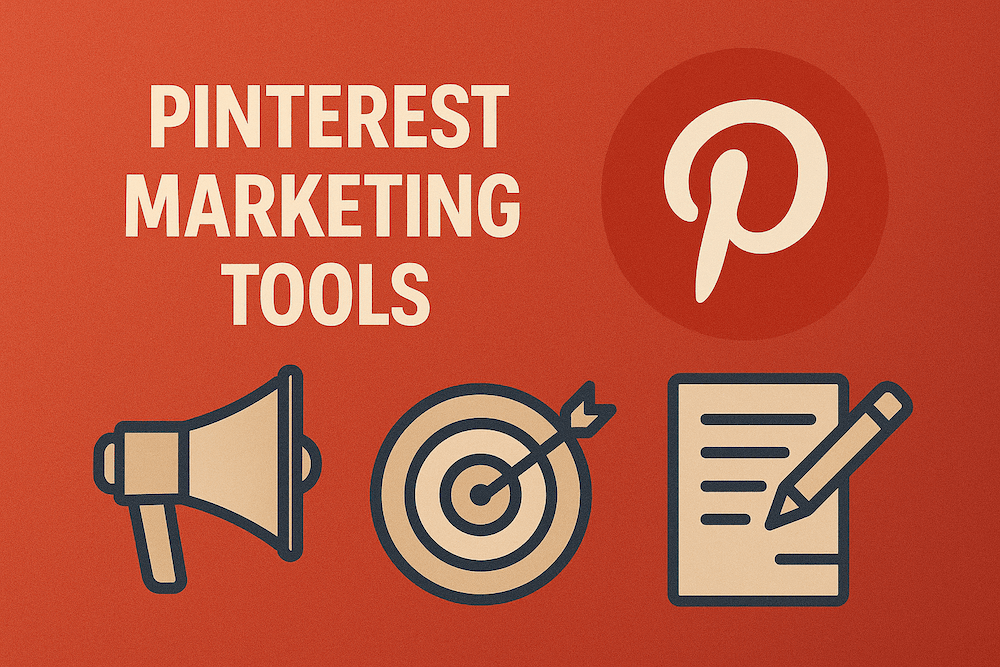
Using the right tools can significantly enhance your Pinterest marketing efforts by improving content creation, scheduling, performance tracking, and traffic analysis. Here are some of the most effective tools for Pinterest marketing.
1. Canva
Canva is a popular design platform that helps users create visually appealing Pins without advanced graphic design skills. It offers Pinterest-specific templates, drag-and-drop editing, and branding features, making Pinterest marketing content creation faster and more professional.
2. Pinterest Analytics
Pinterest Analytics provides valuable insights into Pin performance, audience engagement, impressions, saves, and clicks. These metrics help businesses refine their Pinterest marketing strategy and identify the content that resonates most with their audience.
3. Tailwind
Tailwind is a scheduling and automation tool designed specifically for Pinterest. It helps users plan content, maintain a consistent posting schedule, and discover optimal posting times, making Pinterest marketing more efficient and organized.
4. Google Analytics
Google Analytics allows businesses to track website traffic generated from Pinterest. By monitoring user behavior, conversions, and referral traffic, marketers can measure the effectiveness of their Pinterest marketing campaigns and make data-driven improvements.
Comparison of Popular Pinterest Marketing Tools
Choosing the right tools can make your Pinterest marketing efforts more efficient and data-driven. While some tools focus on content creation, others help with scheduling, performance tracking, or website analytics. The table below compares the most widely used tools for Pinterest marketing.
| Tool | Primary Purpose | Best For |
| Canva | Pin Design & Content Creation | Creating visually appealing Pins |
| Pinterest Analytics | Performance Tracking | Evaluating Pinterest content performance |
| Tailwind | Scheduling & Automation | Managing and automating Pinterest posting |
| Google Analytics | Website Traffic Analysis | Measuring website results from Pinterest |
Each tool serves a different purpose, and using them together can strengthen your Pinterest marketing strategy. Canva helps create engaging Pins, Tailwind ensures consistent posting, Pinterest Analytics reveals how your content performs, and Google Analytics measures the actual business impact. By combining these tools, businesses can optimize their Pinterest marketing efforts, make informed decisions, and achieve better long-term results.
Why Pinterest Marketing Matters in 2026
As digital competition continues to grow, Pinterest marketing has become an essential strategy for businesses looking to increase visibility, attract qualified audiences, and drive long-term results. Unlike many social media platforms that focus on real-time engagement, Pinterest offers lasting value through search-based content discovery.
1. Long Content Lifespan Compared to Other Social Platforms
Pins can continue generating impressions, saves, and clicks for months or even years after publication. This makes Pinterest marketing more sustainable than platforms where content quickly disappears from users’ feeds.
2. High Purchase Intent Users
Many Pinterest users actively search for products, services, and solutions before making decisions. This high purchase intent makes marketing an effective channel for reaching potential customers who are ready to take action.
3. Increased Website Traffic Potential
Pinterest allows every Pin to link directly to a website, blog, or landing page. As a result, businesses can use Pinterest marketing to drive consistent organic traffic and attract visitors interested in their content.
4. Strong Presence in Lifestyle, Fashion, Food, Education, and Career Niches
Pinterest remains highly popular across multiple industries. Whether you’re sharing fashion trends, recipes, study resources, or career advice, marketing helps connect your content with users actively searching for those topics.
Benefits of Pinterest Marketing for Businesses
1. Drives Organic Traffic: One of the biggest advantages of Pinterest marketing is its ability to generate long-term organic traffic. Well-optimized pins continue appearing in search results and driving visitors to your website over time.
2. Improves Brand Visibility: Pinterest marketing helps businesses reach new audiences through visual content discovery. Consistently publishing relevant Pins increases brand awareness and keeps your business visible to potential customers.
3. Generates Qualified Leads: Users on Pinterest often search with a specific purpose or interest. This allows marketing to attract highly targeted visitors who are more likely to engage, subscribe, or convert.
4. Supports Content Marketing Efforts: Businesses can repurpose blogs, guides, infographics, and other content into Pins. This makes Pinterest marketing an effective way to extend content reach and increase engagement.
5. Cost-Effective Marketing Channel: Compared to many paid advertising platforms, Marketing offers strong organic growth opportunities. Businesses can achieve meaningful results with quality content and a consistent posting strategy.
Best Pinterest Marketing Tips for Beginners
1. Design High-Quality Vertical Pins
- Use vertical images, as they perform better on Pinterest feeds.
- Choose clear, high-resolution visuals that attract attention.
- Add readable text overlays to communicate the Pin’s value quickly.
- Strong visuals are essential for successful Pinterest marketing.
2. Use Attractive Headlines
- Write clear, benefit-driven headlines that encourage clicks.
- Include relevant keywords naturally in pin titles.
- Keep headlines concise and easy to understand.
- Compelling headlines can significantly improve Pinterest marketing performance.
3. Maintain Brand Consistency
- Use consistent colors, fonts, and design elements across pins.
- Add your logo or brand name where appropriate.
- Maintain a recognizable visual identity to build trust.
- Consistency strengthens your overall Pinterest marketing strategy.
4. Repurpose Blog Content into Pins
- Convert blog posts into multiple Pins with different designs.
- Highlight key statistics, tips, or takeaways from articles.
- Link Pins directly to the original blog post.
- Repurposing content helps maximize Pinterest marketing results.
5. Experiment with Different Pin Formats
- Test image Pins, video Pins, infographics, and carousel Pins.
- Analyze which formats generate the most engagement.
- Adjust your content strategy based on performance data.
- Experimentation helps optimize your Pinterest marketing efforts over time.
Conclusion
Pinterest marketing has evolved into a powerful digital marketing strategy for businesses, creators, and professionals looking to increase visibility, drive website traffic, and connect with highly engaged audiences. Unlike many social media platforms, Pinterest functions as a visual search engine, allowing content to remain discoverable and generate results long after it is published.
To achieve success, businesses should focus on creating high-quality pins, conducting keyword research, organizing relevant boards, maintaining a consistent posting schedule, and tracking performance through analytics tools. These strategies not only improve reach but also help attract users who are actively searching for information, products, or services related to your niche. Consistency and SEO remain the foundation of effective Pinterest marketing, ensuring that your content continues to appear in relevant searches and reaches the right audience.
Whether you are a small business owner, marketer, blogger, or entrepreneur, Pinterest offers valuable opportunities for long-term growth. By implementing the tips and best practices discussed in this guide, you can build a stronger online presence and achieve your marketing goals more effectively. At CareerGrowKaro, we encourage businesses to leverage Pinterest strategically and unlock its potential as a sustainable channel for traffic, engagement, and business growth.
Frequently Asked Questions (FAQs)
1. What is Pinterest marketing?
Pinterest marketing is the process of using Pinterest to promote products, services, content, or brands. Businesses create and share Pins that help attract users, increase visibility, and drive traffic to websites or landing pages.
2. Is Pinterest marketing free?
Yes, Pinterest marketing can be done for free by creating a business account, publishing Pins, optimizing content with keywords, and engaging with your target audience. Pinterest also offers paid advertising options for businesses seeking faster results.
3. How does Pinterest help businesses grow?
Pinterest helps businesses grow by increasing brand awareness, driving website traffic, generating qualified leads, and reaching users who are actively searching for ideas, products, and solutions related to their interests.
4. How often should I post on Pinterest?
Consistency is more important than volume. Most businesses benefit from posting 3–5 pins daily, though the ideal frequency may vary depending on industry, audience, and content availability.