What Is an Anime Artist?
An anime artist is someone who creates characters, backgrounds, and visual stories in the Japanese animation style. Think bold outlines, expressive eyes, dramatic hair, and emotional storytelling through visuals.
- What Is an Anime Artist?
- Why Anime Artist Is a Real Career in India Now
- Types of Anime Artist Roles – Pick Your Lane
- How to Become an Anime Artist : Step by Step
- Skills Every Anime Artist Needs
- Anime Artist Salary in India (2026)
- Anime Artist Job : Where Do You Actually Work?
- Tools Every Anime Artist Uses
- Magic Box – Your Next Step
- FAQs
- Conclusion
If you have been doodling Naruto or Demon Slayer characters in your notebook since Class 7, you already know what anime art looks like. The question is, can you turn that hobby into a career?
Short answer: Yes. And in 2026, that answer has never been more true for Indian students.
The anime industry is growing fast. India’s digital content space is exploding. Studios, gaming companies, OTT platforms, and YouTube creators all want anime artists who can deliver quality work. The anime artist job market is no longer just in Japan, it is on your laptop, in Bengaluru, and on Fiverr.
This CareerGrowKaro guide will walk you through everything, from learning the basics to landing your first anime artist job.
Why Anime Artist Is a Real Career in India Now
Let us be honest. Five years ago, if you told your parents you want to become an anime artist, they probably looked at you like you said you want to become a professional kite-flyer.
But things have changed. Here is why the anime artist career path is genuinely viable in India right now:
1. The Anime Industry Is Worth Billions The global anime market was valued at over 25 billion USD in 2023 and is growing every year. Studios need anime artists at every stage, concept, storyboarding, character design, colouring, and more.
2. Indian OTT Platforms Want Animated Content Sony LIV, Disney Hotstar, Amazon Prime India, all of them are investing in original animated content. Anime-style content is part of that push.
3. Gaming Studios Are Hiring Anime Artists Games like Genshin Impact made anime art style globally mainstream. Indian gaming companies are following the same visual direction. An anime artist job in a game studio is now a real thing.
4. YouTube and Social Media Pay Anime Artists Thousands of anime-inspired YouTube channels, comic pages, and Instagram accounts pay good money for character art, thumbnails, and fan art commissions.
5. Freelancing Has Zero Geographic Barrier As an anime artist, you can sell your work to someone in Japan while sitting in Jaipur. That is the power of going digital.
Types of Anime Artist Roles – Pick Your Lane
Here is something no one tells you when you start out: “anime artist” is not one single job. It is an umbrella term. Under it, there are several different roles, each with different skills, different workflows, and different career paths.
Knowing which type of anime artist you want to be is important. It helps you focus your learning and pitch yourself more clearly to clients or employers.
1. Character Designer
This is the most popular role and what most people think of when they hear “anime artist.” A character designer creates the original look of every character in a series, game, or project. They decide the outfit, the hair, the expressions, the colour palette. If you love creating original characters and have strong imagination, this is your lane.
Character designers are needed in animation studios, gaming companies, and for indie projects and webtoons.
2. Storyboard Artist
A storyboard artist is the visual planner of an anime production. They sketch out every scene in sequence — camera angles, character positions, action flow — before the animation team starts working. Think of it as making a rough comic version of the entire episode.
This anime artist role requires strong storytelling instincts, not just drawing skills. If you enjoy narrative and cinematography alongside art, storyboarding is worth exploring.
3. Key Animator
Key animators draw the most important frames in an animation sequence, the start position, the end position, and the key movement in between. Other animators fill in the frames in between (called in-betweening). This is a highly technical and skilled anime artist role, typically found in full animation studios.
4. Background Artist
Every stunning anime scene has a beautiful background. Sunlit classrooms, rainy Tokyo streets, ancient temples, those are all created by a background artist. This is a niche but extremely valuable role. Background anime artists often have strong interest in architecture, nature, and environment design.
5. Concept Artist
A concept artist works at the very beginning of a project. They explore visual ideas, what could the world look like? What is the art direction? What colours, textures, and moods define this story? Concept art is used in gaming studios, animation studios, and for pitching projects to producers or investors.
6. Manga Artist / Illustrator
A manga artist creates panel-based storytelling in the Japanese comic style. This is closely related to anime art but is its own discipline. In India, the webtoon and digital manga scene is growing, and platforms like Webtoon, Tapas, and Patreon are creating real income opportunities for manga-style anime artists.
Which One Should You Choose?
Start broad. Learn fundamentals and explore all these styles. Around the 6-month to 1-year mark, you will naturally gravitate toward one. Follow that instinct, specialisation is what turns an anime artist into a sought-after professional.
How to Become an Anime Artist : Step by Step
Becoming a good anime artist does not happen overnight. But with a clear plan, it happens faster than you think.
Step 1 – Master the Fundamentals First
Before you jump into anime style, learn basic drawing skills. This means:
- Human anatomy and body proportions
- Light and shadow
- Line weight and control
- Composition basics
Many aspiring anime artists skip this step. Do not be that person. Without fundamentals, your anime characters will look like they have noodle arms and melting faces.
Step 2 – Study Anime Style Specifically
Anime has its own visual language. Learn:
- How anime eyes are drawn (varies by genre, shonen vs shojo vs seinen)
- Anime facial expressions and emotions
- Dynamic poses and action lines
- Anime hair (yes, it is an art form on its own)
- Chibi style vs realistic anime style
Watch anime. Pause and study frames. Sketch from references. This is not cheating, it is how every anime artist learns.
Step 3 – Go Digital
A professional anime artist works digitally. Get a drawing tablet (Wacom or Huion are popular options). Learn software like Clip Studio Paint, Procreate (iPad), or even Adobe Photoshop.
You do not need the most expensive gear on Day 1. A mid-range Huion tablet with Clip Studio Paint is enough to get started.
Step 4 – Build a Portfolio
No one will hire an anime artist who says “I have been drawing for three years” without showing the work. Build a portfolio of at least 10 to 15 strong pieces. Include:
- Original characters (OC)
- Character sheets (front/side/back view)
- Scene or background work
- Fan art of popular characters (helps with visibility)
Upload your portfolio on ArtStation, DeviantArt, or Instagram.
Step 5 – Start Freelancing or Apply for Anime Artist Jobs
Once your portfolio is ready, start pitching for work. More on this below.
Skills Every Anime Artist Needs
Being an anime artist is more than just drawing pretty characters. Here are the skills that actually get you hired:
- Character Design – Creating original, consistent, and appealing characters
- Storyboarding – Laying out a story panel by panel (important for anime production)
- Colour Theory – Knowing which colours work together and why
- Digital Illustration – Working comfortably in digital art software
- Background Art – Anime is not just characters; environments matter too
- Communication – Client communication is a skill. Anime artist freelancers who communicate well get repeat business.
- Speed and Deadlines – Professional anime artist work comes with deadlines. Learn to work under time pressure.
Anime Artist Salary in India (2026)
Let us talk numbers, because that is what you actually want to know.
Anime Artist Salary – Full-Time Jobs in India
| Experience Level | Monthly Salary Range |
| Fresher / Junior (0–1 year) | Rs 15,000 – Rs 30,000 |
| Mid-Level (2–4 years) | Rs 35,000 – Rs 70,000 |
| Senior Anime Artist (5+ years) | Rs 80,000 – Rs 1,50,000+ |
| Art Director / Lead | Rs 1,50,000 – Rs 3,00,000+ |
These are approximate figures based on industry data from job platforms and animation studio postings.
Anime Artist Salary – Freelance Income
Freelance income varies wildly, but here is a realistic picture:
- Beginners: Rs 500 – Rs 2,000 per illustration
- Intermediate: Rs 3,000 – Rs 10,000 per piece
- Experienced: Rs 15,000 – Rs 50,000+ per commission or project
Top-tier anime artist freelancers in India who work with international clients can earn Rs 1 lakh or more per month. It takes time. But it is absolutely possible.
Important Note: Anime artist salary depends heavily on your portfolio quality, specialisation (character design vs storyboarding vs background art), and whether you work in India or for international clients.
Anime Artist Job : Where Do You Actually Work?
Here are the real places where an anime artist job exists:
Animation Studios Companies like DQ Entertainment, Cosmos-Maya, and Toonz India hire anime artists for production work. These are full-time roles with fixed salaries.
Gaming Companies Indian gaming studios are growing fast. Games that use anime art style need dedicated anime artists for character design, UI art, and promotional material.
OTT and Media Companies Original animated content for streaming platforms is booming. Anime artist jobs here involve storyboarding, character design, and visual development.
Advertising and Marketing Agencies Many agencies now use anime-style characters in campaigns. An anime artist who can create brand mascots and explainer-style content is in demand.
Publishing and Comics Indian manga and comics are slowly finding an audience. Publishers like Amar Chitra Katha and newer indie publishers are open to anime-influenced art styles.
YouTube Content Creators Many anime YouTubers, gaming channels, and educators hire anime artists for channel art, thumbnails, and animated intros.
Freelance Platforms Fiverr, Upwork, and ArtStation are where independent anime artist careers are built. The freedom is real. So is the grind.
How to Grow Your Anime Artist Career Over Time
Most guides tell you how to start. Very few tell you what to do after you have started. Here is a realistic growth roadmap for an anime artist in India.
Year 1 – Learn and Build
Your entire focus in the first year should be learning. Fundamentals, digital tools, anime-specific techniques, and building your first 10 to 15 portfolio pieces. Do not worry about making money yet. Worry about getting good.
At the end of year one, you should have:
- A clean portfolio on ArtStation or Instagram
- Basic proficiency in Clip Studio Paint or Procreate
- At least one clear niche or style you are developing
Year 2 – Start Earning and Collecting Feedback
This is when you begin taking clients or applying for junior anime artist jobs. Start small. Do commissions. Join Discord communities where people post art requests. Apply for internships at animation studios.
The money will be modest at first. That is normal. What you are really collecting in year two is feedback, experience, and reviews.
Year 3 – Establish and Specialize
By year three, a consistent anime artist has a recognisable style, a growing client list, and a reputation in at least one niche. This is when you start raising your rates seriously, applying for mid-level anime artist jobs, or building a proper freelance business.
Many anime artists in India hit their first Rs 50,000 per month milestone somewhere between year 2 and year 3 — through a combination of freelance commissions and stable client retainers.
Year 5 and Beyond – Build Something Bigger
The most successful anime artists do not just draw forever. They build. They create their own IP — original characters, webcomics, or manga series. They start a YouTube channel teaching others. They launch a Patreon. They become art directors.
An anime artist career can evolve into something far bigger than just commissions. But that vision starts from consistent, daily work in year one.
Short Courses and Certifications Worth Considering
- MAAC (Maya Academy of Advanced Cinematics) – India-based, has animation and illustration courses
- Arena Animation – Good for digital art fundamentals
- Skillshare and Udemy – Affordable, self-paced anime art courses by professional artists
- Clip Studio Paint Academy – Official tutorials directly from the software maker
None of these are mandatory. But structured learning can accelerate your growth, especially if you are self-taught and feeling stuck.
Tools Every Anime Artist Uses
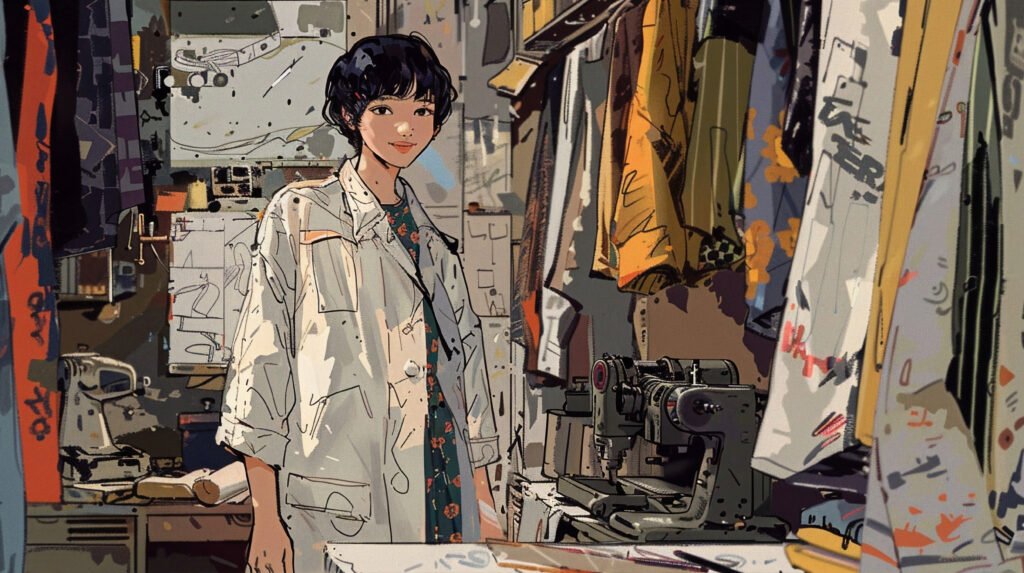
You do not need all of these at once. Start with the basics and expand as you grow.
Hardware:
- Drawing Tablet: Wacom Intuus (Rs 7,000–Rs 15,000) or Huion Kamvas (Rs 8,000–Rs 25,000)
- iPad with Apple Pencil (good for anime artists who want to work on the go)
Software:
- Clip Studio Paint (CSP) – the industry favourite for anime artist work
- Procreate – excellent for iPad users
- Adobe Photoshop – for colouring and compositing
- MediBang Paint – free, good for beginners
Reference and Learning:
- Pinterest (for pose and expression references)
- PoseMyArt and SketchDaily References (for anatomy)
- YouTube channels dedicated to anime art tutorials
Magic Box – Your Next Step
Confused about which creative career path is right for you?
Use CareerGrowKaro’s free Career Guidance resources to map your skills, explore options, and build a plan that actually works for your situation, whether you are a student in a Tier-3 city or a working professional ready to pivot.
Visit CareerGrowKaro and take the first step today.
FAQs
Q1. Can I become an anime artist without a degree?
Yes, absolutely. An anime artist career is portfolio-driven, not degree-driven. What matters is your work, your consistency, and your ability to deliver quality art. Many successful anime artists are self-taught. Courses, YouTube tutorials, and daily practice are your real qualifications.
Q2. What is the starting anime artist salary in India?
A fresher anime artist in India can expect between Rs 15,000 and Rs 30,000 per month in a studio job. Freelance income starts lower but can grow faster if you build an international client base. Your salary grows significantly with experience and portfolio strength.
Q3. Is there a good anime artist job market in India?
Yes, and it is growing. Gaming studios, animation companies, OTT platforms, and advertising agencies all hire anime artists. Freelance opportunities on platforms like Fiverr and Upwork are also strong, especially for Indian anime artists working with international clients.
Q4. How long does it take to become a professional anime artist?
With consistent daily practice, most dedicated learners can build a professional-level anime artist portfolio in 1 to 2 years. The timeline depends on how much time you invest and how seriously you study fundamentals alongside the anime-specific style.
Q5. Which software is best for an anime artist?
Clip Studio Paint (CSP) is the top choice for most anime artist professionals worldwide. It is affordable, has anime-specific features, and is used by major studios. For beginners, MediBang Paint is free and a great starting point.
Q6. Can I freelance as an anime artist from a small city in India?
Yes. This is one of the biggest advantages of being an anime artist — your location does not matter. With a laptop or tablet and an internet connection, you can take commissions from clients in Japan, the US, or Europe while sitting in Indore, Patna, or Coimbatore.
Conclusion
The anime artist career is not a dream reserved for people in big cities or expensive art colleges. It is a skill-based, portfolio-driven path that any dedicated person can walk, including you.
Start with fundamentals. Study the anime style. Pick your niche, whether that is character design, storyboarding, or background art. Go digital. Build your portfolio piece by piece. Then apply for anime artist jobs or start freelancing on Fiverr and Upwork.
The anime artist salary grows with your portfolio and your reputation, not with your degree or your city. A student in Nagpur or Bhubaneswar with a strong portfolio and consistent effort can out-earn someone in Mumbai who coasts on potential.
The anime industry is not slowing down. Indian studios are hiring. International clients are paying. The digital art market is expanding. If you are willing to put in the daily work, there has never been a better time to become an anime artist in India.
And here is a thought to leave you with, the anime artist you admire most right now, the one whose character designs make you put your pencil down and just stare in awe? They started exactly where you are. Uncertain. Untrained. But curious.
Curiosity plus consistency is the only formula that matters.
CareerGrowKaro is here to help you figure out the next step, whether that is picking the right course, building your first portfolio, or understanding which anime artist job profile fits your goals.
The notebook with those old Naruto sketches? That might have been telling you something all along.
Start drawing. Start building. Start growing.