
Who is a Hiring Manager?
A hiring manager is the person at a company who has the actual power to say yes or no to your job application. Not HR. Not the person who called you to schedule the interview. Not the receptionist who smiled at you when you walked in. The hiring manager is the team lead, department head, or senior manager who has an open seat on their team and needs to fill it.
If you have been applying to jobs for weeks, clearing HR rounds, and then mysteriously not hearing back, the hiring manager is usually who made that decision. They reviewed your profile, sat across from you in a technical or managerial round, and decided whether you were the right person for their team.
Understanding who a hiring manager is and how they think is honestly one of the most underrated skills in a job search. Most candidates focus all their energy on writing a good resume or clearing the HR screening call, but the hiring manager is the real gatekeeper. Crack that code and your conversion rate from interviews to offers will go up significantly.
This CareerGrowKaro guide will give you everything you need to know about the hiring manager, including what they do, how they differ from HR, what they earn, and how you can walk into any interview and genuinely impress them.
What Does a Hiring Manager Actually Do?
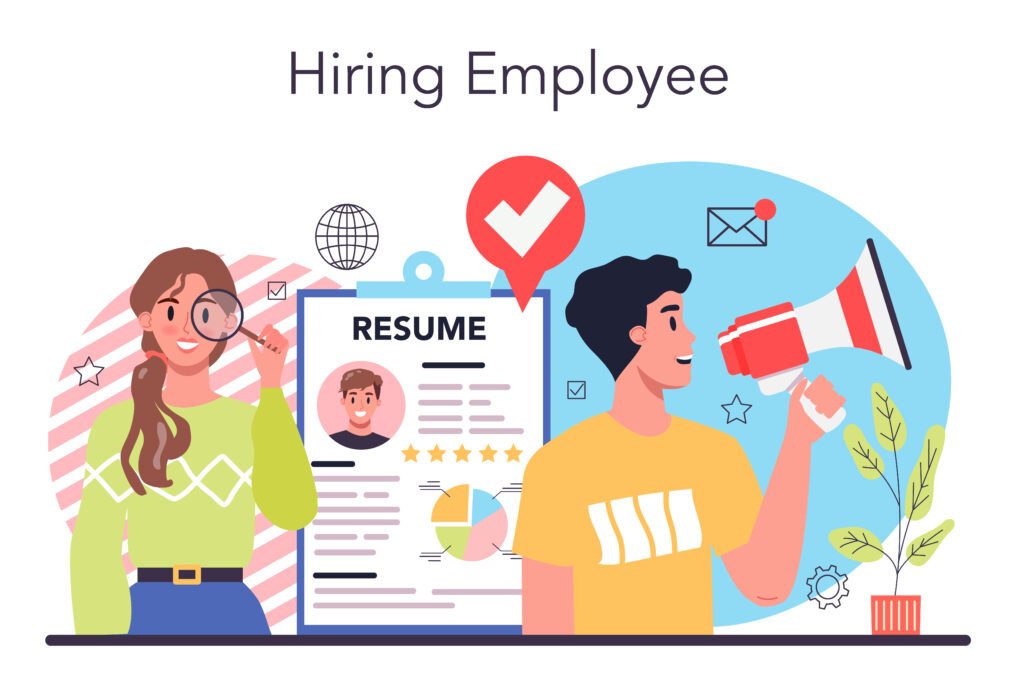
Most job seekers imagine that a hiring manager just shows up on interview day, fires a few questions, and goes back to their regular work. That picture is very far from reality. The hiring manager is involved in almost the entire recruitment process, from the moment they decide they need someone new to the day the selected candidate joins the team.
Let us walk through the hiring manager’s role at every stage.
Stage 1: Raising the Hiring Request
Everything starts with the hiring manager. When their team is understaffed, when someone leaves, or when the business is growing and needs new skills, the hiring manager puts in a request to fill a position. They define what role needs to be filled, what level of experience is required, and what skills are non-negotiable.
This is important for candidates to understand. The hiring manager already has a very specific picture in their head before they even read your resume. They are not open to everyone. They know exactly what gap they are trying to fill.
Stage 2: Writing or Approving the Job Description
The hiring manager either writes the job description themselves or works closely with HR to finalize it. Every bullet point in that job posting about required skills, responsibilities, and preferred qualifications came from the hiring manager’s wishlist.
This is a gold mine for candidates. When you read a job description carefully, you are essentially reading the hiring manager’s mind. They told you exactly what they want. The only question is whether your application and interview answers reflect that clearly.
Stage 3: Reviewing Shortlisted Resumes
HR usually does the first pass on resumes and filters out clearly unsuitable applications. But after that filter, the shortlist lands on the hiring manager’s desk. They go through these profiles with a different lens. They are not checking boxes. They are asking themselves: does this person look like they can actually solve the problems my team is facing right now?
Stage 4: Conducting Interviews
The hiring manager typically runs one or more interview rounds personally. In smaller companies, they might conduct all rounds themselves. In larger companies, they usually run the final technical or managerial round after earlier stages handled by peers or HR.
This is the round where the real evaluation happens. The hiring manager is not just testing your knowledge. They are watching how you communicate, how you handle pressure, whether you think on your feet, and whether they can genuinely picture you working with their team every single day.
Stage 5: Making the Final Decision
After all rounds are done, the hiring manager makes the call. They share their recommendation with HR, who then processes the offer. But the decision belongs to the hiring manager.
If you got rejected after a final round, the hiring manager said no. If you got an offer, the hiring manager said yes. It is that simple and that important.
Stage 6: Onboarding the New Hire
Once you join, the hiring manager is often your direct reporting manager. They set your initial goals, introduce you to the team, and guide your first few months on the job. The relationship between you and the hiring manager does not end at the offer letter. In many ways, it is just getting started.
Hiring Manager vs HR: The Real Difference
This one section can completely change how you approach your job search. The confusion between a hiring manager vs HR is extremely common, and candidates who do not understand this difference often end up preparing for the wrong person.
Here is a clean breakdown.
| Factor | Hiring Manager | HR (Human Resources) |
| Who are they? | Team lead, senior manager, or department head | HR executive, recruiter, talent acquisition specialist |
| Primary goal | Fill their team with the best person for the role | Manage recruitment process, compliance, and formalities |
| Interview focus | Can you do this job? Will you fit this team? | Are you eligible? Do expectations and documents match? |
| Decision power | Final say on who gets hired | Facilitates the process, not the final decision-maker |
| What they care about | Skills, problem-solving, team chemistry, attitude | Background verification, salary expectations, notice period |
| You must impress | The hiring manager, every single time | Both, but HR is the entry gate, not the destination |
Think of it this way. HR is like the ticket checker at a railway platform. They verify your ticket and make sure you are boarding the right train. But the hiring manager is the destination itself. Even after you clear HR and get on board, the hiring manager decides whether this journey ends well for you.
Many Indian students, especially freshers, spend 80 percent of their interview preparation on HR questions. They memorize answers to tell me about yourself and what are your strengths and weaknesses, and completely ignore what the hiring manager actually wants to know. Then they get to the real technical or managerial round and go completely blank.
The hiring manager round is where jobs are won or lost. HR gets you in the room. The hiring manager decides whether you stay.
The most practical difference between a hiring manager vs HR in real terms is this: HR can reject you, but only the hiring manager can actually hire you.
Hiring Manager Salary in India

At some point in your career, you will either be sitting across from a hiring manager or you will become one. Either way, understanding what a hiring manager earns in India gives you useful context whether you are negotiating an offer or planning your own career growth.
Hiring manager salary in India varies considerably based on industry, company size, city, and years of experience. Here is a realistic 2026 breakdown.
| Experience Level | Typical Annual Salary (India) |
| 3 to 5 years (Junior or first-time hiring manager) | Rs. 6 to 10 LPA |
| 5 to 8 years (Mid-level hiring manager) | Rs. 10 to 18 LPA |
| 8 to 12 years (Senior hiring manager) | Rs. 18 to 30 LPA |
| 12 years and above (Head of Department, Director level) | Rs. 30 to 60 LPA and abov |
Hiring Manager Salary by Industry
- IT and Product Companies like Infosys, Zomato, PhonePe, and Razorpay: Rs. 12 to 28 LPA
- BFSI, meaning Banking, Financial Services, and Insurance: Rs. 10 to 22 LPA
- Management Consulting: Rs. 14 to 30 LPA
- E-commerce and Startups: Rs. 10 to 22 LPA, often with ESOPs that can push total compensation much higher
- Manufacturing and Core Engineering: Rs. 7 to 16 LPA
- Healthcare and Pharma: Rs. 8 to 18 LPA
- EdTech and SaaS Companies: Rs. 10 to 24 LPA
Hiring Manager Salary by City
Bangalore consistently pays the highest hiring manager salary in India, typically 15 to 25 percent above the national average. Mumbai, Delhi NCR, and Hyderabad are roughly on par with each other and close to the national average. Pune and Chennai are slightly below Bangalore but competitive. Tier-2 cities like Ahmedabad, Jaipur, Indore, and Kochi generally pay 20 to 35 percent less than Bangalore for equivalent roles.
One thing worth noting about hiring manager salary in the tech sector: in many companies, the people a hiring manager hires can earn more than the hiring manager themselves. A senior software engineer or a staff data scientist can command a higher CTC than the engineering manager who interviewed them. That is completely normal in product companies and is actually a sign of a healthy culture that values technical depth.
Can You Become a Hiring Manager? Career Path Explained
Some readers are here not because they are looking for a job, but because they want to become a hiring manager themselves someday. That is a sharp ambition and here is how that path realistically looks in India.
A hiring manager is almost never a starting title. It is a responsibility that arrives with seniority. In most companies, when you get promoted to a team lead, senior manager, or department head position, hiring for your team simply becomes part of your job.
Typical Career Path to Becoming a Hiring Manager
Start as an individual contributor in your domain, whether that is engineering, marketing, finance, sales, or operations. Build strong technical or functional expertise over three to five years. Get promoted to a team lead or senior specialist role where you start mentoring junior team members. Over the next few years, move into a manager or senior manager title. At that point, when your team has an opening, you automatically step into the hiring manager role for that position.
Skills That Make You a Strong Hiring Manager
- Deep domain knowledge so you can assess whether a candidate’s technical claims are real
- Strong communication and active listening so candidates feel comfortable being honest with you
- The ability to evaluate potential, not just current skill, because the best hires often need some room to grow
- Fair, bias-aware judgment, because personal preferences creeping into hiring decisions cost companies heavily
- A clear understanding of what your team genuinely needs right now versus what would be nice to have eventually
If you are currently working and want to start building toward a hiring manager role, CareerGrowKaro has career development content that can help you map out exactly what skills to develop at each stage of your journey.
Industries Where Hiring Managers Have the Most Power
Not every industry gives the hiring manager equal authority. In some sectors, HR and standardized processes control almost everything. In others, the hiring manager has near-total autonomy. Knowing this can help you tailor your approach to each interview.
High Hiring Manager Autonomy
Startups and early-stage companies give hiring managers significant power because there are fewer HR systems, approval layers, and bureaucratic filters. If a hiring manager likes you, you can receive an offer within the same week.
Product-based tech companies, especially mid-sized ones, trust hiring managers heavily because the people doing the hiring deeply understand the technical requirements and cannot afford to delegate that judgment to HR.
Consulting and professional services firms lean strongly on the hiring manager’s evaluation of communication skills, problem-solving sharpness, and culture alignment.
Moderate Hiring Manager Autonomy
Large MNCs and enterprise companies have more structured hiring processes with multiple approvals. The hiring manager still makes the final recommendation, but there are more layers and more HR involvement throughout.
Lower Hiring Manager Autonomy
Government and public sector organizations follow strictly standardized, often exam-based hiring processes where the individual hiring manager has minimal personal discretion. This is designed intentionally to ensure fairness and transparency.
Magic Box
Struggling to prepare for a hiring manager interview and not sure where to begin?
Use CareerGrowKaro’s free interview preparation guides and career growth resources to walk into your next interview completely prepared. The right preparation takes less time than you think and makes more difference than you can imagine.
FAQs
Q1. Is the hiring manager always the person who interviews me?
Not always. The hiring manager may conduct interviews themselves or delegate some rounds to team members or HR. However, the hiring manager always reviews feedback from every round and makes the final decision. Even if someone else interviewed you in earlier stages, the hiring manager approved that outcome before the offer went out.
Q2. Can I contact a hiring manager directly on LinkedIn before applying?
Yes, and done well, it can work in your favour. Send a short, professional message expressing genuine interest in the role and briefly explaining why your background is relevant. Keep it under five lines. Do not ask for favours or try to skip the formal process. Just introduce yourself and express interest. Many hiring managers respect the initiative.
Q3. What is a realistic hiring manager salary for someone entering the field in India?
A hiring manager role comes with seniority and cannot typically be a starting position. However, talent acquisition executives who assist with hiring start at around Rs. 3 to 5 LPA and grow quickly with performance. An experienced hiring manager at mid-level typically earns Rs. 10 to 18 LPA depending on industry and company size.
Q4. What is the main difference between a recruiter and a hiring manager?
A recruiter sources and screens candidates and manages job postings, often from HR or a third-party agency. The hiring manager owns the business need behind the role, evaluates candidates for real-world job fit, and makes the final hiring decision. Think of the recruiter as the process owner and the hiring manager as the outcome owner.
Q5. Does the hiring manager decide my salary?
Partially. The hiring manager usually determines the grade or salary band approved for the role. HR handles the actual offer negotiation and processes the offer letter. In smaller companies, the hiring manager and HR functions can overlap, so the same person may handle both.
Final Thoughts
The hiring manager is the most important person in your job search, and most candidates give them the least preparation. That is actually good news for you, because it means the bar for standing out is lower than you might think.
A hiring manager is the team or department head with final say on who gets hired. They are involved from defining the job all the way to onboarding the new employee. Understanding the difference between a hiring manager and HR is critical because HR gets you into the room but the hiring manager decides what happens once you are there. Hiring manager salary in India ranges from Rs. 6 LPA at junior levels to Rs. 60 LPA and above at senior leadership levels depending on industry, city, and experience. To genuinely impress a hiring manager, research their team, speak in measurable outcomes, ask thoughtful questions, and show that you have seriously considered what the role requires.
Most of this is within your control. You cannot change where you studied or how many years of experience you have on your resume today. But you absolutely can control how prepared you are, how clearly you communicate, and how seriously you engage with every hiring manager you encounter.