Why Selling a Simple Product Can Change Your Career
If you’re looking for low-investment products to sell online, you’re in the right place. Many people believe you have to move from a Tier 2 or Tier 3 city to a metro for a good job. But here’s the truth: you don’t need to shift to Delhi, Mumbai, or Bangalore to start earning. With just a phone, an internet connection, and ₹5,000–₹10,000, you can run a successful side hustle right from your small town.
- Why Selling a Simple Product Can Change Your Career
- How We Picked These Products (Quick Methodology)
- 5 Products You Can Start Selling Online in 2025
- How Much Profit Can You Expect? (Simple Rule)
- 7-Day Starter Playbook (From Idea to First Sale)
- Where to Learn More (Global Mentors to Follow)
- FAQs
- Final Word
The best part? E-commerce has exploded in India. Amazon, Flipkart, Meesho, and even WhatsApp stores allow anyone to sell their products. The key is to pick a low-risk, evergreen product — something people buy regularly, that is easy to ship, and doesn’t need huge capital.
In this guide, we will explore 5 beginner-friendly products, how to source them, and simple hacks to sell them online successfully.
How We Picked These Products (Quick Methodology)
Instead of random guesses, we used:
- Global experts → Followed YouTubers like Wholesale Ted (Sarah Chrisp) and Charlie Chang, who teach practical, proven ecommerce strategies.
- Market validation → Checked Amazon India Best Sellers to confirm steady demand.
- Seller tools → Looked at Helium 10 & Jungle Scout tutorials to ensure categories have stable search traffic and aren’t seasonal fads.
We then filtered products that are:
- Light-weight (low shipping costs)
- Affordable to stock (under ₹300 per piece)
- Useful in daily life (not luxury items)
- Easy to market in a 30-second Instagram reel
5 Products You Can Start Selling Online in 2025
1. Stainless Steel / Insulated Water Bottles
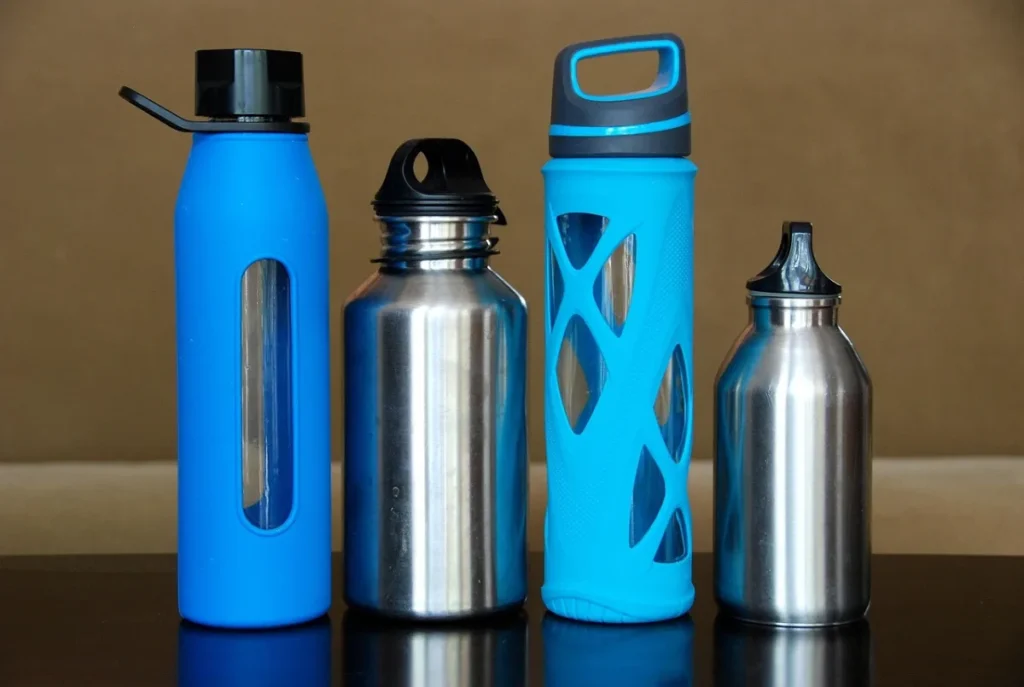
- Why it works: Health and eco-friendly products never go out of style; everyone needs bottles — students, office-goers, and travelers. Bonus: personalization (engraving or stickers) can double profits.
- Start-up cost: ₹4,000–₹8,000 for 30–50 bottles.
- Where to source: IndiaMART suppliers, Gujarat/Rajasthan manufacturers, or local wholesale markets.
- How to sell: Record short reels like “Why I stopped using plastic bottles” or “My custom bottle for ₹299.” Target college students, gyms, and corporate gifting.
Pro Tip: Selling personalized water bottles online in India is one of the most practical small-town ecommerce businesses today.
2. Mobile Phone Stands / Mini Tripods
- Why it works: Everyone is making Reels, Shorts, or attending online classes. Small accessories, such as stands and tripods, are inexpensive to purchase but in high demand.
- Start-up cost: ₹3,000–₹6,000 for 50–100 units.
- Where to source: Local electronics wholesalers, IndiaMART, or Alibaba.
- How to sell: Make demo reels showing “Before vs After shooting with a tripod.” Bundle with tips like “5 ways to shoot reels at home.”
Pro Tip: Starting a phone stand or mini tripod business in India is a smart way for small-town youth to tap into the growing creator economy.
3. Handmahandmade-soap-4926841_1280de Soaps & Natural Toiletries
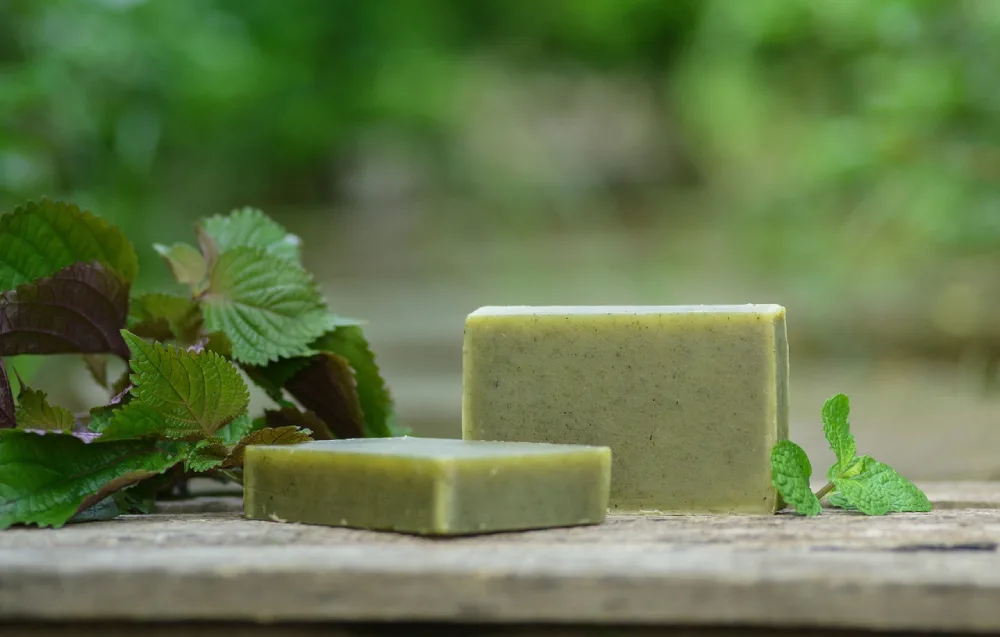
- Why it works: Rising demand for organic, chemical-free products. Easy to produce locally, repeat purchase potential, and premium pricing possible.
- Start-up cost: ₹5,000–₹10,000 (ingredients, molds, packaging for 100 soaps).
- Where to source: Local suppliers for oils & fragrances, or co-packers on IndiaMART.
- How to sell: Market as “local premium.” Use reels like “I made this soap in my kitchen” or “Best gift under ₹99.”
Pro Tip: Launching a handmade soap business in India from a small town can grow fast, as customers increasingly prefer organic toiletries over chemical-based products.
4. Personalized T-shirts (Print-on-Demand)
- Why it works: Zero inventory risk. Print-on-demand (POD) platforms like Printrove & qikInk handle printing & delivery. You only design & market.
- Start-up cost: ₹0–₹3,000 (for designs & ads).
- Where to source: POD platforms (Printrove, Qikink, Inkmonk).
- How to sell: College slogans, local humor, fan merch. Start with Instagram reels + WhatsApp groups. Example: “Aligarh College Batch 2025 T-shirt.”
Pro Tip: The print-on-demand T-shirt business in India is perfect for students and creators who want a low-investment ecommerce side hustle.
5. Practical Study Tools (LED Lamps, Planner Notebooks, Blue-light Glasses)
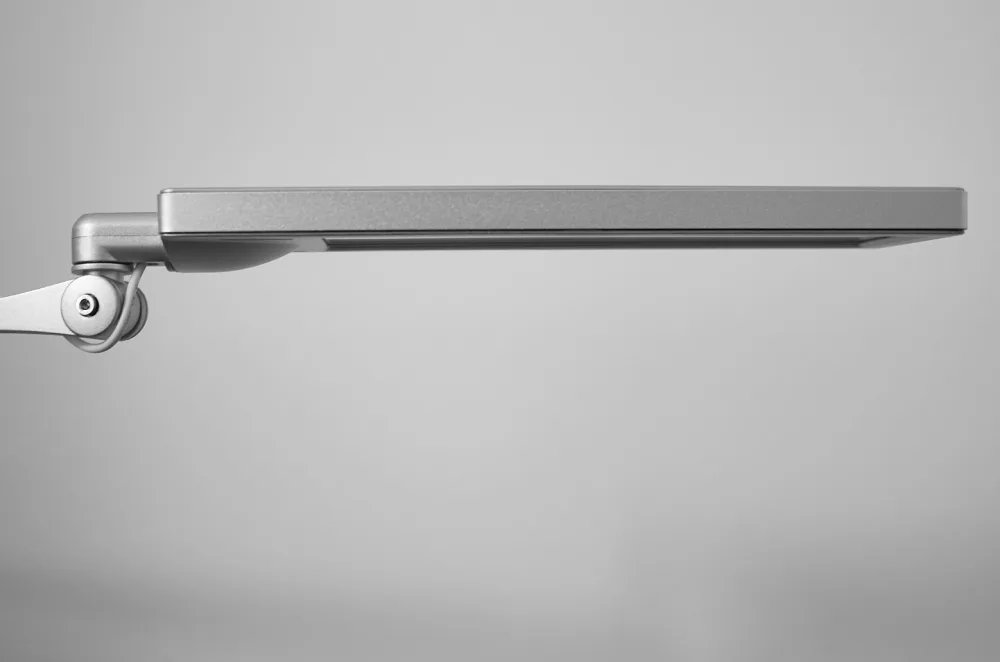
- Why it works: Students are CareerGrowKaro’s biggest audience. Affordable tools like lamps & planners are evergreen, especially during exam season.
- Start-up cost: ₹4,000–₹8,000 (sample batch).
- Where to source: Local wholesale stationery/electronics markets.
- How to sell: Bundle with “Top 3 hacks to study better.” Push during exam seasons & new semester admissions.
Pro Tip: Selling study accessories online in India — like planners, notebooks, and exam prep tools — is a reliable, evergreen side business.
How Much Profit Can You Expect? (Simple Rule)
- Formula: Buying price × (1.5 to 2.5) = Selling price.
- Example: Bottle at ₹140 → Sell at ₹299 (direct) or ₹350 (Amazon/Flipkart).
- Marketplaces charge fees, but selling directly on Instagram/WhatsApp gives higher margins.
7-Day Starter Playbook (From Idea to First Sale)
Day 0 – Plan: Pick 1 product from the list.
Day 1 – Source Samples: Order 10–20 pieces via IndiaMART or local market.
Day 2 – Create Content: Shoot 3 reels → demo, benefit, emotional story.
Day 3 – Channels: Open Instagram page, WhatsApp broadcast list, and OLX/Meesho listing.
Day 4 – Soft Launch: Share with friends & family. Collect testimonials.
Day 5–7 – Scale: Push reels, join student WhatsApp groups, offer discounts for first 10 buyers.
Where to Learn More (Global Mentors to Follow)
- Wholesale Ted (Sarah Chrisp): Product research & ecommerce strategies.
- Charlie Chang: Facebook ads, funnels, scaling tactics.
- Helium 10 YouTube: Amazon product research tutorials.
Spend 30 minutes weekly watching their latest videos — apply 1 idea each week.
FAQs
Q1. How can I sell products online from a small town?
Use marketplaces (Amazon, Meesho, Flipkart) + Instagram + WhatsApp groups. Start small, scale slowly.
Q2. What is the best product to sell with ₹5k capital?
Start with low-cost, light items like phone stands, planners, or handmade soaps.
Q3. Do I need GST to sell online?
For small orders on WhatsApp/Instagram, no. For Amazon/Flipkart, yes — but free registration is available for small businesses.
Q4. How to promote my product without ads?
Use reels, short WhatsApp videos, and local student/market groups. Share before-after demos.
Q5. Is this risky?
Risk is low if you start with 10–20 units. Always test before bulk buying.
Final Word
Starting an online business from a small town is no longer a dream — it’s a practical, step-by-step process.
👉 Pick 1 product.
👉 Start small (₹5k–₹10k is enough).
👉 Use reels + WhatsApp groups to reach buyers.
👉 Scale only when you see steady demand.
Remember: from Ambition to Achievement — CareerGrowKaro is here to guide you.