Digital technology today requires animation and visual effects to function as essential components. Animation refers to the process of creating animated content through animated drawings or character designs or digital 3D modeling. Visual effects, which people commonly refer to as VFX, function as digital enhancements that filmmakers use to create effects that they integrate into their movies through computer-generated visual elements. The technology enables filmmakers to design unreal scenarios, which include fantasy worlds and superhero flight sequences and extensive battle sequences. Modern storytelling depends on animation and VFX since they function as essential elements that drive contemporary narratives forward.
People today encounter animated content throughout their daily lives. The technology finds applications in various fields, including movie production and online series and video game development and advertisement creation and social media short video content. Animated content serves as a tool for brands to create more captivating advertisements. The growing industry constantly searches for artists with high-level animation and VFX skills to fulfill their creative requirements. The need for professionals who possess strong animation and VFX expertise will increase as technology continues to advance.
Creative professionals now attract students to this field because of the available job opportunities. People need to develop their skills beyond their passion for their selected music career. Students must develop their essential animation and VFX competencies, which include creativity, storytelling, software expertise, and detailed focus to succeed in their animation careers. Artists use animation and VFX skills to transform basic concepts into impactful visual presentations.
Careergrowkaro provides students with career guidance about new fields and the essential skills needed for success in contemporary creative professions. Students who acquire proper animation and VFX expertise will have the opportunity to develop successful careers in film production and video game development and advertising and digital media. This blog will identify the essential animation and VFX competencies required for success within the animation industry.
Understanding the Animation and VFX Industry
1. What is animation?
Animation develops moving images through the combination of drawings and pictures and digital models. Animators create movement through their work by constructing animated sequences, which they produce frame by frame. The rapid succession of frame playback creates an optical illusion that enables viewers to see animated characters walking and talking and showing emotions on screen.
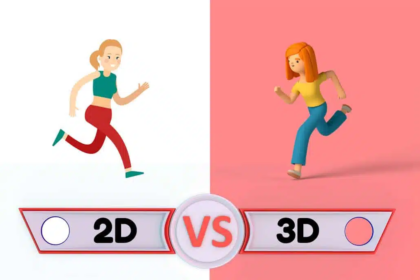
Animation exists in multiple formats, which include 2D animation, 3D animation, stop motion, and motion graphics. Animators use computer software today to develop their characters and backgrounds and scenes in animated films. The tools empower artists to design their visual stories through artistic creation. Professionals need to develop advanced animation and VFX competencies, which enable them to create exceptional animated content. The animation and VFX skills enable designers to create characters and handle movement and design scenes that capture viewer interest.
2. What is VFX
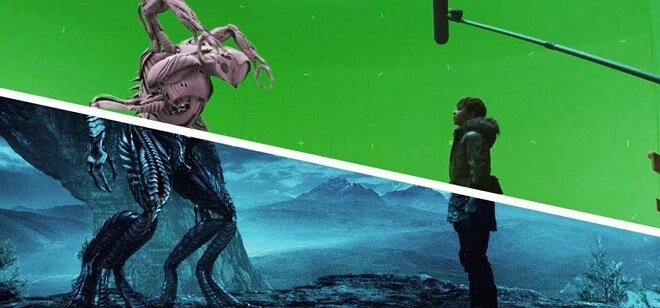
VFX, which stands for “visual effects,” describes the method that generates special effects for movies and digital content through computer software. VFX enables creators to incorporate elements that exist beyond the boundaries of real-world existence. VFX techniques create visual effects that show explosion sequences and magical creatures and futuristic urban landscapes and disaster scenarios.
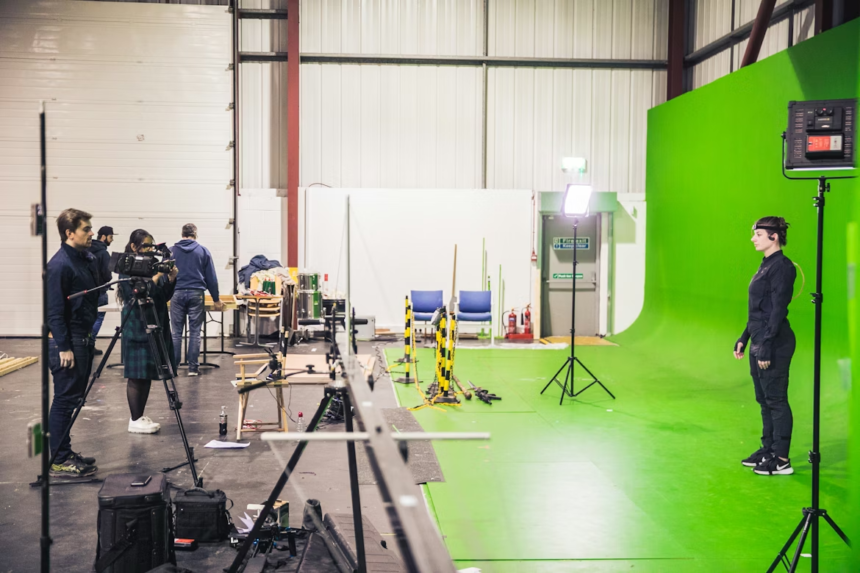
VFX artists in films combine actual video footage with computer-generated elements to construct authentic cinematic experiences. The procedure demands people to possess both technical expertise and imaginative ability and advanced animation and VFX proficiency. Artists use their animation and VFX expertise to create natural-looking scenes through the application of lighting and textures and special effects.
VFX is widely used in big-budget films, web series, advertisements, and video games. Without VFX, many modern films and action scenes would not look as exciting or realistic.
3. Why These Skills Are Important
The animation and VFX industry is growing rapidly around the world. Film studios and gaming companies and advertising agencies all seek professionals who possess strong animation and VFX abilities. Through their animation and VFX skills, artists develop animated characters and visual effects and interactive digital content.
People who possess strong animation and VFX abilities can find employment in multiple industries, including movies and television and gaming and advertising and social media content creation. The demand for workers who possess advanced animation and VFX skills will continue to rise as technology develops. The development of these skills becomes essential for all individuals who wish to pursue successful careers in the creative sector.
Creativity and Storytelling Skills
- The Importance of Creativity: Creativity enables artists to create original characters and develop new fantasy worlds and build their own unique storytelling environments. The ability to generate original content through creative thinking allows artists to create animated visuals that enhance their basic VFX skills.
- Character and World Development: Animators need to create character designs that include movement patterns and emotional display. The development of this skill through imagination training serves as a vital method for professionals to achieve their animation and VFX skill development goals.
- Animation Storytelling: All animations present a narrative that extends through their short videos and their complete films and their interactive game components. Effective storytelling enhances the impact of animation and VFX skills because it establishes a connection between viewers and the fictional characters and story elements.
- Storytelling Through Emotional Character Displays: Characters must show feelings like happiness, fear, or excitement to make the story believable. Artists who possess advanced animation and VFX abilities use movement with facial expressions to create emotional displays.
- Drawing Practice: Artists develop their understanding of shapes and character design and movement through regular drawing practice. This practice enhances essential animation and VFX abilities while enabling artists to create superior scenes.
- Watching Animated Films: Watching animated movies and shows helps artists learn how professional studios create stories and visuals. The observation of animation styles and storytelling methods helps artists develop their animation and VFX abilities.
- Studying Storytelling Techniques: Artists can develop their narrative skills through studying story structure, character development, and visual storytelling elements. These techniques support the development of advanced animation and VFX skills needed in professional projects.
Drawing and Design Skills

1. Importance of Drawing
For people who want to become animators, drawing represents one of their basic essential skills. Many animators begin their journey by learning simple sketching and practicing how to draw different objects and characters.
Basic drawing helps artists understand shapes, proportions, and movement. These abilities strengthen animation and VFX skills because they help artists create clear and expressive visuals.
2. Understanding Shapes and Characters
Animation uses basic geometric shapes, including circles, squares, and triangles, to create character designs. These shapes help artists build characters that look unique and easy to recognize.
Artists learn about character design through body structure and expressions and personality development. This knowledge improves animation and VFX skills because well-designed characters make animations more engaging and believable.
3. Learning Visual Composition
Visual composition means to arrange elements in a scene to achieve both aesthetic balance and visual attraction. Artists must think about color, lighting, layout, and how different objects appear together on the screen.
The composition of a scene leads viewers to focus on its most essential elements. Developing this understanding is an important step in building strong animation and VFX skills because it helps artists create scenes that look professional and visually appealing.
Popular Software Used in Animation and VFX
To build strong animation and VFX skills, artists must learn how to use professional animation software. These tools help animators design characters, create scenes, add visual effects, and produce high-quality digital content. Most animation studios expect beginners to have basic knowledge of these tools, as they are widely used in the industry.
| Software | Used For | Industry Use |
| Autodesk Maya | 3D animation, modeling, and rendering | Widely used in films, games, and animation studios |
| Blender | 3D animation, modeling, and visual effects | Popular for independent animation projects and films |
| Adobe After Effects | Motion graphics and visual effects | Used in advertisements, YouTube videos, and films |
| Cinema 4D | Motion graphics and 3D design | Common in digital media and commercial projects |
Learning these tools helps artists improve their animation and VFX skills and prepare for real industry projects. By practicing with these software programs regularly, students can develop the technical knowledge required to build a successful career in animation and visual effects.
Understanding Motion and Timing
- Animation Movement: Animation movement demonstrates how characters and objects operate within a particular scene. Artists who understand movement create powerful animation and VFX work because they produce realistic character movements.
- Natural Motion: Animations should show smoothness because this quality enables viewers to connect with the scene better. Learning how real-world movements work helps improve animation and VFX skills.
- Timing Impact on Animation: Timing serves as the mechanism that determines the speed at which characters execute their movements. Proper timing enhances animation believability while creating better animation and VFX performance.
- Squash and Stretch: Characters demonstrate lifelike movement through squash and stretch because this technique enables them to show flexible motion. Artists who practice this principle to gain better animation and VFX skills, which allow them to create energetic animations.
- Movement Anticipation: Anticipation prepares the audience for the next action, such as bending before a jump. This technique helps animators create smoother scenes and better animation and VFX skills.
- Learning the Principles of Animation: The 12 principles of animation provide artists with a framework to create authentic human movement and facial expressions. Understanding these principles is essential for building professional animation and VFX skills.
Attention to Detail
- Importance of Small Details: Small details help create realistic animations and visual effects because they enhance the authentic appearance of these elements. Professionals with advanced animation and VFX abilities use these elements to produce visually impressive work.
- Role of Lighting: Lighting determines the visual appearance of characters and objects in a scene. Proper lighting improves animation and VFX skills by making scenes look natural and visually appealing.
- Use of Shadows: Shadows create realistic depth effects that enhance the visual experience of animated scenes. Artists with strong animation and VFX skills create realistic movement by using shadows to show how objects should look in motion.
- Textures and Surface Details: Textures help objects look real by showing details like roughness, shine, or patterns. Artists who understand textures for their work in animation and VFX can create realistic animations and special effects.
- Avoiding Small Mistakes: The presence of small errors in animation creates a complete breakdown of scene authenticity. The animation professionals who possess good VFX skills need to examine every frame because of this reason.
- Creating Realistic Visuals: Detailed attention to artistic elements enables artists to create character and environment designs that people perceive as genuine. The artists establish better animation results through their dedication to precise work, which benefits their VFX abilities.
Career Opportunities in Animation and VFX
- 2D Animator: A 2D animator produces animated characters and environments through artistic work with traditional drawings and digital artwork. The combination of their powerful animation abilities and VFX expertise enables 2D animators to create animated characters for movies and commercials and educational content.
- 3D Animator: A 3D animator uses software programs to develop three-dimensional animations, which include both characters and virtual environments. Professionals who possess advanced animation abilities together with VFX expertise can find employment opportunities in three different fields, which include film production and video game development and animation studios.
- VFX Artist: A VFX artist creates visual effects, which include explosions and magic sequences and environmental backgrounds for films and videos. The artists use their advanced animation and VFX abilities to help create scenes that display both realistic and exciting visual effects.
- Motion Graphics Designer: Motion graphics designers develop animated text elements together with logos and visual components for use in advertisements and social media platforms and digital media content. The combination of their animation abilities and VFX expertise enables them to create visually attractive content that brands and companies develop.
- Game Animator: Game animators create the motion patterns that drive character and object behavior throughout video games. The process of developing animation skills together with VFX expertise enables them to generate realistic game environments and create seamless gameplay animations.
- Growing Career Opportunities: The animation and VFX industry is rapidly expanding its reach across multiple sectors, which include film production and video games and advertising and digital media. The current industry growth allows professionals who possess advanced animation abilities and VFX expertise to pursue multiple exciting job opportunities within the creative sector.
Conclusion
The animation and VFX industry is experiencing rapid growth, which creates numerous career opportunities for creative students who pursue their academic studies. Animation serves as a critical component of modern digital media because it appears in movies, video games, advertisements, and social media content. Students need to acquire advanced animation and VFX skills to establish themselves as professionals in this industry. The abilities enable artists to develop interactive characters, create authentic visual effects, and design scenes that attract viewers.
The process of learning animation and VFX skills requires more time than people expect. The process requires three essential components, which include enduring dedication and ongoing educational growth. Students need to dedicate their time towards developing four essential skills, which include creativity and drawing and software proficiency and motion and timing knowledge. Novice animators can enhance their VFX skills and develop work confidence through habitual exercise and undertaking minor projects.
The second crucial step for artists who want to succeed involves mastering essential industrial software while remaining informed about technological advancements. The animation industry progresses through ongoing development of its software and design approaches and storytelling techniques. The industry demands students who explore new tools while enhancing their animation and VFX competencies to maintain their marketability.
The Careergrowkaro platform provides students with information about contemporary creative careers and the essential skills that lead to success in those fields. Students can enhance their career decision-making process through reading valuable resources and studying current industry developments.
Students who dedicate themselves to their work while using their artistic abilities and professional animation and VFX competencies can transform their animation enthusiasm into a successful career. The animation and visual effects industry offers an exciting career path that requires both dedication and hard work to attain.
Frequently Asked Questions
1. What skills are required for a career in animation and VFX?
To build a career in this field, students need creativity, drawing ability, storytelling, and technical knowledge of animation software. Developing strong animation and VFX skills helps artists create engaging visuals and professional-quality projects.
2. Do I need drawing skills to learn animation?
Basic drawing skills are helpful because they improve character design and visual understanding. However, with practice and learning digital tools, students can still develop strong animation and VFX skills.
3. Which software is commonly used in animation and VFX?
Popular software used in the industry includes Autodesk Maya, Blender, Adobe After Effects, and Cinema 4D. Learning these tools helps students improve their animation and VFX skills and prepare for professional work.
4. Is animation and VFX a good career option?
Yes, the animation and VFX industry is growing rapidly due to the demand for digital content, movies, and games. People with strong animation and VFX skills can find opportunities in films, gaming, advertising, and media.
5. How can beginners start learning animation and VFX skills?
Beginners can start by learning basic drawing, watching tutorials, and practicing with animation software. Regular practice and small projects help improve animation and VFX skills over time.