

Rural marketing is the process of promoting and selling products or services in villages and small towns. Successful rural marketing strategies focus on understanding local needs, using regional languages, building trust through community engagement, and choosing the right distribution channels. Businesses that combine offline outreach with digital tools can effectively reach India’s 65%+ rural population and grow their customer base faster.
India’s rural market presents one of the biggest growth opportunities for businesses, yet many brands that perform well in cities often struggle to connect with village customers. The reason is simple: rural consumers have different needs, purchasing power, lifestyles, and buying behaviors. A marketing strategy that works in Delhi, Mumbai, or Bengaluru may not generate the same results in a village in Uttar Pradesh, Bihar, Rajasthan, or Odisha.
Effective rural marketing is not just about selling products in villages. It involves understanding local culture, speaking the customer’s language, building trust within communities, and ensuring products are easily available. Rural consumers often rely on word-of-mouth recommendations, local influencers, village retailers, and community networks before making purchasing decisions. This makes relationship-building an essential part of any successful rural marketing campaign.
With increasing smartphone usage, better internet connectivity, and rising rural incomes, businesses now have more opportunities than ever to reach customers in rural India. However, success requires the right strategy, communication, and distribution approach.
In this guide by CareerGrowKaro, you’ll learn practical rural marketing strategies, common challenges, real Indian examples, and actionable steps that can help businesses effectively reach and engage rural customers across India.
What Is Rural Marketing?

Rural marketing is the process of promoting, distributing, and selling products or services to people living in villages and rural areas. Unlike urban marketing, which often relies heavily on digital advertising and modern retail stores, rural marketing focuses on understanding local needs, cultural preferences, and community-driven buying behavior.
India’s rural population exceeds 900 million people, making it one of the largest consumer markets in the world. As rural incomes rise and internet access expands, businesses across sectors such as FMCG, agriculture, healthcare, education, banking, and telecommunications are increasingly targeting rural customers for growth.
Successful rural marketing goes beyond simply making products available. It involves creating awareness, building trust, and ensuring customers can easily access products and services.
Some key elements of rural marketing include:
- Communicating in local and regional languages
- Offering affordable pricing and smaller product packs
- Building strong distribution and supply networks
- Participating in village fairs, community events, and awareness programs
- Establishing trust through demonstrations and local partnerships
For example, a fertilizer company conducting farmer awareness camps in Haryana to educate farmers about crop nutrition and product usage is practicing rural marketing. By directly engaging with the community, the company builds credibility while promoting its products.
Understanding rural marketing is the first step toward reaching a vast and growing customer base across rural India.
Why Is Rural Marketing Important in India?
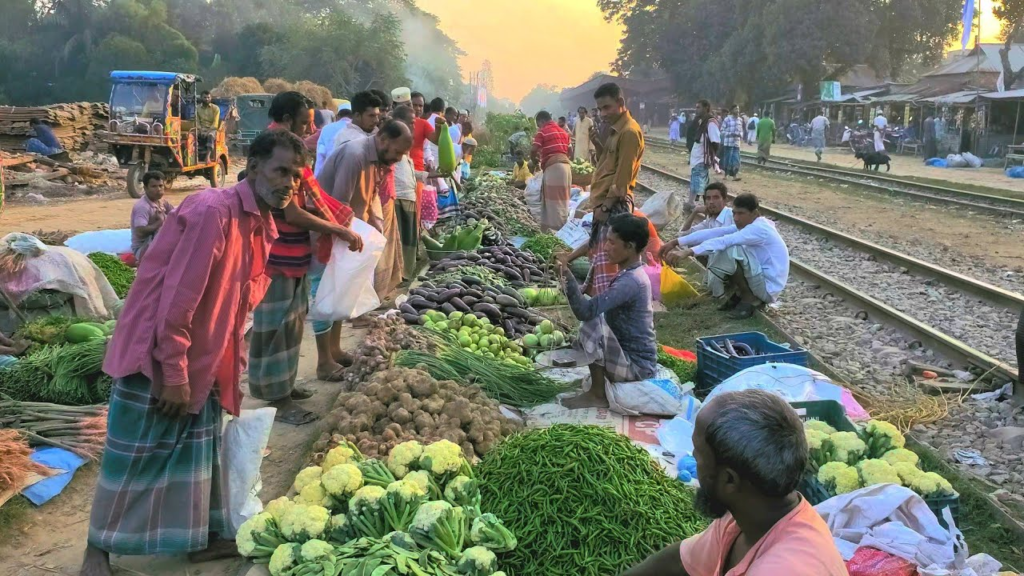
Rural India is emerging as one of the biggest growth markets for businesses across sectors. With rising incomes, better connectivity, and increasing consumer awareness, rural customers are contributing significantly to India’s economic growth. For companies looking to expand beyond cities, rural markets offer immense opportunities.
1. Large Customer Base: India’s rural population accounts for more than 65% of the country’s total population. This gives businesses access to millions of potential customers across villages and small towns, creating significant opportunities for market expansion and revenue growth.
2. Less Competition: Compared to urban markets, many rural areas have fewer brands competing for customer attention. Businesses that enter rural markets early can establish a strong presence, build trust, and gain a competitive advantage before the market becomes crowded.
3. Growing Income: Government schemes, agricultural growth, rural employment programs, and better infrastructure have improved rural incomes over the years. As purchasing power increases, rural consumers are spending more on consumer goods, education, healthcare, and technology products.
4. Digital Adoption: The rapid growth of smartphones, affordable internet plans, and digital payment systems has transformed rural India. Businesses can now reach rural customers through WhatsApp, YouTube, social media, and e-commerce platforms more effectively than ever before.
5. Brand Loyalty: Rural consumers often remain loyal to brands that consistently deliver quality and value. Once trust is established, customers are more likely to make repeat purchases and recommend products to friends, family members, and their wider community.
What Are the Best Rural Marketing Strategies?
Businesses that succeed in rural India focus on trust, accessibility, affordability, and local relevance. Here are five proven rural marketing strategies that can help brands connect with village consumers effectively.
1. Use Local Language Communication
One of the biggest mistakes brands make is using generic advertising that does not resonate with rural audiences. Customers are more likely to trust and engage with messages delivered in their native language because they feel familiar and easier to understand.
For example, a dairy company running advertisements in Bhojpuri across Bihar is likely to generate higher engagement than a campaign conducted entirely in English. Local-language communication helps customers understand product benefits and creates a stronger emotional connection with the brand.
Action Steps:
- Create posters and banners in regional languages.
- Advertise through local newspapers and radio stations.
- Produce short videos and social media content in vernacular languages.
- Use local cultural references in marketing campaigns.
2. Conduct Community-Based Marketing
Rural consumers often rely on recommendations from people they know and trust before making purchasing decisions. Community engagement helps brands establish credibility and build long-term relationships with customers.
For instance, an agricultural equipment company may organize live product demonstrations at village fairs, allowing farmers to see how the equipment works before purchasing. Such activities reduce hesitation and increase confidence in the product.
Action Steps:
- Sponsor local sports tournaments and cultural events.
- Participate in village fairs (melas) and exhibitions.
- Conduct educational workshops and awareness campaigns.
- Partner with local influencers, teachers, or community leaders.
3. Strengthen Distribution Networks
Even the best marketing campaign cannot generate sales if products are unavailable when customers need them. A strong distribution network ensures consistent product availability across villages and small towns.
For example, a consumer goods company may partner with kirana stores and local distributors across Rajasthan to ensure its products reach even remote locations. Easy availability encourages repeat purchases and strengthens customer loyalty.
Action Steps:
- Build partnerships with village retailers and wholesalers.
- Develop efficient last-mile delivery systems.
- Monitor inventory levels regularly.
- Establish local distribution hubs where possible.
4. Offer Small and Affordable Packs
Many rural customers prefer products with lower upfront costs, even if the overall value is slightly lower. Affordable packaging allows consumers to try products without making a large financial commitment.
A classic example is shampoo sachets, which became highly popular in rural India because they provided an affordable alternative to full-sized bottles. Similar strategies have been adopted across FMCG, food, and personal care categories.
Action Steps:
- Introduce trial-size or mini packs.
- Create budget-friendly product variants.
- Offer seasonal discounts and promotional bundles.
- Provide flexible payment or credit options where feasible.
5. Combine Digital and Offline Marketing
Rural India is rapidly embracing smartphones and internet connectivity. However, traditional communication channels still play an important role. The most effective rural marketing campaigns combine digital tools with on-ground engagement.
For example, an agricultural startup may use WhatsApp groups to share farming tips while simultaneously conducting field demonstrations in villages. This approach increases reach while maintaining personal connections with customers.
Action Steps:
- Create WhatsApp marketing campaigns and customer groups.
- Publish regional-language videos on YouTube.
- Run mobile-friendly social media advertisements.
- Integrate digital campaigns with offline events and demonstrations.
What Challenges Affect Rural Marketing?
1. Low Literacy Levels: Many rural consumers may find it difficult to understand lengthy written advertisements or technical product descriptions. Businesses can overcome this challenge by using images, infographics, demonstration videos, and audio-based content. Visual communication makes product benefits easier to understand and improves customer engagement and recall.
2. Poor Infrastructure: Limited transportation facilities, poor road connectivity, and inadequate storage facilities can affect product availability in rural areas. Partnering with local retailers, distributors, self-help groups, and community organizations helps businesses improve product reach and maintain a reliable supply chain despite infrastructure challenges.
3. Distribution Difficulties: Reaching remote villages can be costly and time-consuming for businesses. Appointing local distributors or micro-entrepreneurs helps ensure products are available closer to customers. These distributors understand local markets, reduce delivery costs, and make it easier for brands to serve rural consumers consistently.
4. Language Diversity: India’s rural population speaks hundreds of regional languages and dialects. Marketing messages created only in Hindi or English may not connect with every audience. Businesses should adapt advertisements, packaging, and promotional materials to local languages to improve understanding, trust, and customer response rates.
5. Trust Issues: Rural consumers often prefer seeing a product in action before making a purchase. Product demonstrations, trial campaigns, awareness camps, and live showcases help customers understand how a product works. This reduces uncertainty, builds credibility, and increases the likelihood of purchase and long-term loyalty.
Rural Marketing vs Urban Marketing
Although the goal of both rural and urban marketing is to attract customers and increase sales, the strategies used are often very different. Rural consumers have unique needs, purchasing habits, and decision-making processes that require businesses to adopt a localized approach. Understanding these differences helps brands create more effective campaigns and allocate their marketing budgets wisely.
| Factor | Rural Marketing | Urban Marketing |
| Audience | Villages and small towns | Cities and metropolitan areas |
| Communication | Regional and local languages | Multiple media formats and languages |
| Buying Decision | Influenced by trust, family, and community recommendations | Influenced by personal preferences, reviews, and trends |
| Distribution | Wider geographic coverage with logistical challenges | Easier and faster distribution networks |
| Promotion | Community events, demonstrations, and local outreach | Digital advertising, influencers, and mass media campaigns |
Neither rural nor urban marketing is better than the other; they simply require different approaches. Rural marketing succeeds when businesses focus on trust, affordability, local communication, and strong distribution networks. Urban marketing works best when brands leverage digital channels, convenience, personalization, and fast service. Understanding these differences allows businesses to design strategies that effectively reach their target audience and maximize results.
Magic Box: Want to Build Rural Marketing Skills?
Problem: Many students and small business owners understand marketing theory but struggle to create campaigns for rural customers.
CareerGrowKaro Resource: Explore marketing career guides, digital marketing learning resources, and practical business growth strategies available on CareerGrowKaro.
Action: Choose one rural market, research customer needs, and create a simple marketing plan using the strategies discussed above.
Real Indian Example: HUL’s Rural Marketing Success
One of the most successful examples of rural marketing in India is Hindustan Unilever Limited’s (HUL) Project Shakti. Launched in 2001, the initiative was designed to increase the company’s reach in villages while creating income opportunities for rural women. Instead of relying only on traditional retail channels, HUL trained local women to become direct sellers of its household and personal care products.
These women, known as Shakti Entrepreneurs, sold products such as soaps, detergents, and hygiene essentials within their own communities. Because they were already trusted members of the village, customers felt more comfortable learning about and purchasing the products. The entrepreneurs also educated families about hygiene, health, and product usage, helping HUL build stronger relationships with rural consumers.
The program achieved success in states such as Karnataka, Uttar Pradesh, and Andhra Pradesh, where many villages had limited access to retail outlets. By leveraging local networks, HUL improved product availability while reducing distribution challenges.
Next Step: Use these insights to create a rural marketing strategy tailored to your target audience and region.
FAQs
1. What is rural marketing in simple words?
Rural marketing is the process of selling products and services to customers living in villages and rural areas. It involves understanding local needs, using regional communication, and ensuring products are available through suitable distribution channels.
2. Why is rural marketing important for businesses?
Rural India has a large population and growing purchasing power. Businesses that successfully enter rural markets can reach new customers, increase sales, and build long-term brand loyalty.
3. Which industries benefit most from rural marketing?
FMCG, agriculture, telecom, banking, healthcare, education, and consumer electronics companies often benefit significantly from rural marketing because rural demand continues to grow across these sectors.
4. What are the biggest challenges in rural marketing?
Common challenges include low literacy levels, infrastructure limitations, language diversity, distribution issues, and customer trust. Businesses overcome these through localized communication and community engagement.
Conclusion
Successful rural marketing goes far beyond simply selling products in villages. It requires businesses to understand local customer needs, communicate in regional languages, build trust within communities, and ensure products are easily accessible. Rural consumers often value relationships, recommendations, and reliability, making trust-building an essential part of any marketing strategy. Companies that focus on these factors are more likely to achieve long-term success in rural markets.
As smartphone usage, internet connectivity, and purchasing power continue to grow across rural India, businesses have more opportunities than ever to connect with village consumers. However, success depends on adopting the right mix of traditional and modern approaches. Community events, product demonstrations, local partnerships, and digital platforms such as WhatsApp and YouTube can work together to create meaningful customer engagement.
Whether you are a student exploring marketing concepts, an entrepreneur expanding into new markets, or a professional looking to improve your marketing skills, understanding rural marketing can provide a valuable competitive advantage. The rural market remains one of India’s most promising growth opportunities.
To learn more about marketing, careers, and practical business skills, explore the resources available on CareerGrowKaro.