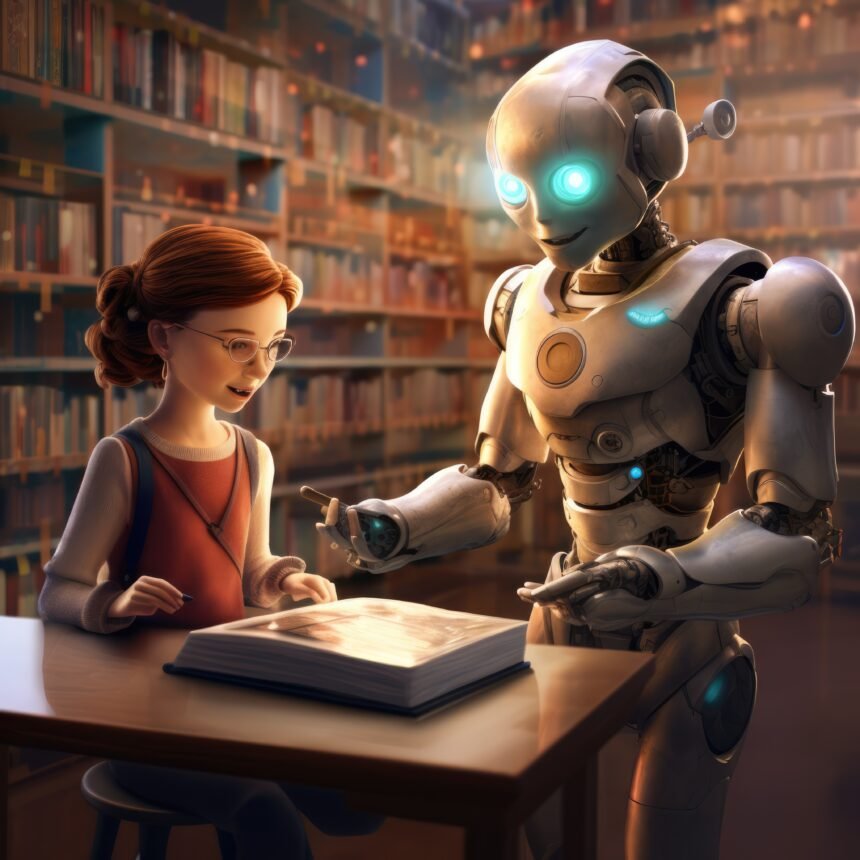
The importance of AI in education is not just a trend. Students from India typically do not have access to expensive or high-quality private tutors or coaching centr
- What Is AI in Education?
- Importance of AI in Education – The Big Picture
- Importance of AI in Education Sector in India
- Importance of AI in Education Real Examples
- How AI Helps Students Like You – Practically
- Challenges of Implementing AI in Education
- The Future of AI in Education: What’s Coming Next
- What Should You Do Next?
- FAQs about Importance of AI in Education
- Final Thoughts
es; however, AI tools, like those on our website CareerGrowKaro, can help you access high-quality educational materials for little to no cost. AI can provide you with a customized study plan, as well as explain concepts in your local dialect, and create sample interview questions based on your specific situation. If you are a student in a Tier 2 or 3 city and haven’t yet used AI, you are missing a huge opportunity.
This career growth guide details how using AI in education works by providing you with completely free access to an array of educational materials and examples.
What Is AI in Education?
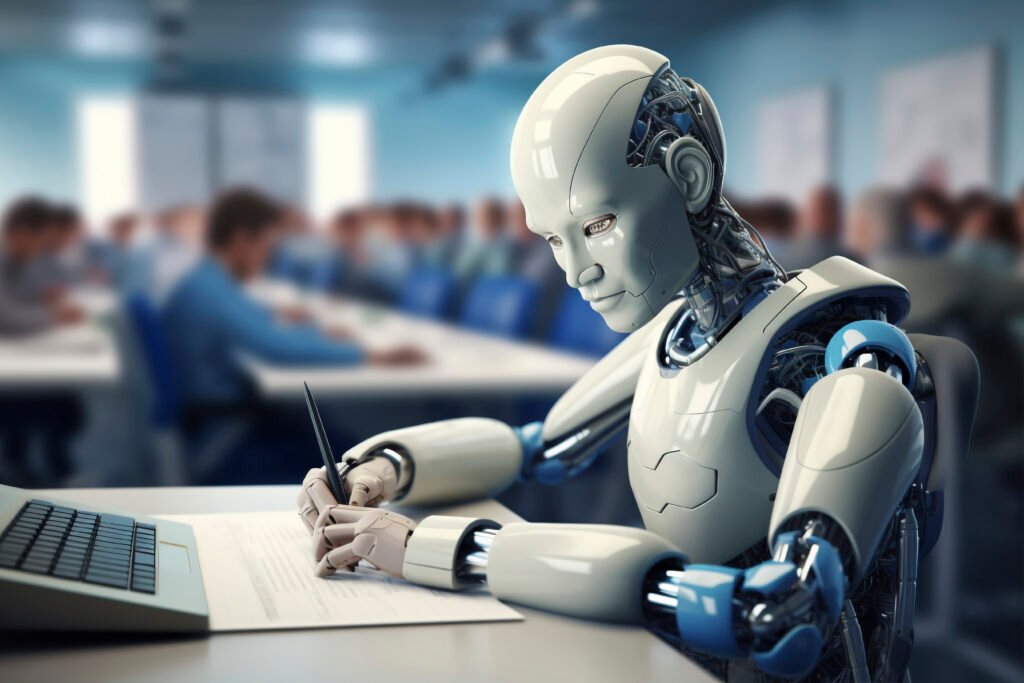
AI (Artificial Intelligence) in education refers to the way that advanced computer programs can enhance how well you learn, how much help your teacher receives when teaching, and in general, how efficiently everything happens in the system. Before newer technologies were created, only kids in larger cities with access to better-trained teachers had advantages. For this reason, when you use a mobile phone app powered by AI technology today, you will have the same advantages as those children.
This is the importance of AI in education summed up in one sentence. Examples include adaptive learning platforms, virtual tutoring systems, automated marking systems, 24/7 chatbot assistance for answering questions, and artificial intelligence to help you figure out which career path will work best for you.
Importance of AI in Education – The Big Picture
AI is a game changer for the education system in India, The problem with the Indian education system is wide-ranging. It is marred by large class sizes, lack of meaningful correlation and correlation between educational terms in vernacular languages, lack of individualization of learning in the context of their educational experience, and a ‘one size fits all’ approach to the way that students are taught means that many fall behind because of this.
This is where we can see the importance of AI in education very clearly.
AI – Better than a Teacher
- If you are a student and have 60 students to learn, you are in a classroom with 60 other students. If you are using AI, you are learning as an individual at your own pace.
- If you are up at midnight struggling to learn calculus with no one to help you, AI will be there to explain and re-explain as many times as you want and will quiz you.
- If you are a student living in a village with no access to a quality secondary school, AI will have access to IIT-level learning material for you.
- If you are a first generation student, AI will not pass judgment on you; it will only support you.
Because of the incredible importance of AI in education, educators, government agencies, and educational technology organizations from all over the world are quickly investing millions of dollars into AI technology as it is solving real-life problems at many different levels.
Importance of AI in Education Sector in India
India has over 250 million learners, a huge gap between the number of people who need to learn and the number who can teach. With the differences between rural and urban areas in terms of education facilities, the importance of AI in education is even greater than in any other part of the world.
What is going on in India now?
- NITI Aayog has identified AI as one of the central components of National Educational Policy under its National Strategy for AI.
- The NEP – 2020 clearly states that technology and AI should be used to provide personalised learning opportunities for all our students.
- DIKSHA (an initiative of the Government of India) is currently being used to provide digital content to millions of students and uses both AI and data to create unique educational experiences.
- Ed-tech companies like BYJU’S, Unacademy and Vedantu all heavily incorporate AI into their platforms to track student performance, recommend content or suggest potential areas of weakness.
The importance of AI in education sector is backed by policy, money, and most importantly – results. Students using AI-powered platforms are showing faster improvement, especially in competitive exam prep like JEE, NEET, and UPSC.
Education: The Difference Between Tradition and AI
| Traditional Schools | AI-Education |
| Every student goes at the same rate. | Individual rates of speed for each student. |
| Teachers have limited time to help students. | AI Learners 24/7 |
| Generic Textbooks. | Customized Texts |
| Tests Returning Score Only After The Exam | Real Time Score and Progress Report. |
| Inconsistent/Quality – Classroom By Location | Universal/Quality for All – Regardless Of Location. |
Importance of AI in Education Real Examples

Talk is cheap but let’s show you the importance of AI in education with current real world examples, several based in India.
Example 1 Khanmigo from Khan Academy
KHAN Academy has launched an AI Tutor called “Khanmigo.” Khanmigo doesn’t just give answers; it uses the Socratic method by asking questions that make the student think for themselves. AI has provided this free of charge! Also students in India can access the Khan Academy content in Hindi! This example of the importance of AI in education shows that money is not a requirement for obtaining quality education anymore.
Example 2 BYJU’S Adaptive Learning Engine
BYJU’S uses AI and gives the user’s AI a complete understanding of students’ behavior when interacting with content. BYJU’S measures such things as time spent, areas to rewatch, and incorrect answers. Based on this information, the BYJU’S AI will determine what content to present next based on how frequently the student makes the same incorrect answers. Thus this example is a great present importance of AI in education that has affected billions of students daily in India.
Example 3 English Learners are supported by Grammarly and Writing AI
Professional writing is not easy for many students, especially those who come from another country and don’t speak English. Grammarly supports non-native English speakers by using AI to identify and fix grammar mistakes, provide alternate word choices, and assist with writing more complete sentences. This is a complete game-changer for someone living in Bihar or Rajasthan applying for jobs or writing emails. The importance of AI in education sector here directly translates to job readiness.
Example 4 AI-Powered Career Counseling
As a result of the rise in technology-based tools, organizations like CareerGrowKaro are now able to provide students with AI-generated recommendations about what kind of careers will benefit them based on their individual skill set, personal preferences, and available job opportunities within the marketplace. These students will have access to real, quantifiable data that will allow them to make well-informed, evidence-based decisions regarding their future, rather than relying on guesswork. This is one of the most practical importance of AI in education examples for Indian youth today.
Are you struggling to determine what your career options are? Access free career resources and skill based roadmaps on CareerGrowKaro and receive clear direction in two minutes or less. Check out www.CareerGrowKaro.com now!
How AI Helps Students Like You – Practically
In practical terms, Here is how the importance of AI in education directly translates into things you can do today:
In practical terms, AI can be applied to support you as a student today by providing:
- Customized Education: AI will analyze your weaknesses and provide targeted exercises based on this analysis. You won’t need to waste 3 hours working on material you have already mastered. This really demonstrates the importance of AI in education when applied in its intended manner – efficiency in learning.
- Problem Resolution at Any Time of Day or Night: Imagine that it’s 11 PM and you are studying/evaluating and you get confused or stuck on a topic. No teacher is available during the night for assistance. AI has provided us with examples of how to solve problems regardless of time constraints. ChatGPT, Socratic by Google, and Vedantu’s AI have demonstrated that importance of AI in education breaks down hours between learning and receiving help.
- Improved English and Other Communication Skills: AI tools have made it easier for individuals (especially non-english speakers) to develop stronger communication skills by enhancing the accuracy of their writing. The importance of AI in education sector here directly improves employability.
- Exam Study Using AI Platforms: By analysing past exam papers, AI platforms are able to identify the types of patterns which often appear in examinations and generate practice tests which are very similar to what you could expect on your actual exam. The importance of AI in education examples from competitive exam coaching are already proving this works.
- Job Guidance with Career Tools Using AI: AI career tools enable you to have the ability to find trending careers, required skills and match them with your existing profile (CV). No more vague suggestions about “do an MBA” or “try working in the public service”. The importance of AI in education in these scenarios is more about providing information about how to approach the future as opposed to just providing content.
Challenges of Implementing AI in Education
AI in education has a profound potential impact and can greatly change in how our schools operate, however there are obstacles. However, we need to have an honest and accurate understanding of both sides of the equation.
Challenges
- Internet access for many students affects implementation of AI tools (many rural students do not have access to reliable means of connecting to the internet, thus making it difficult or impossible for hardware, software, and AI tools to work).
- Digital literacy is needed to effectively implement AI tools; otherwise, there is no importance of AI in education, i.e., even though there are AI tools, if the user does not know how to use the tools correctly and cannot apply them in their daily lives, then the use of AI tools for educational purposes is purely academic.
- Too much reliance on AI as a means replacing the need for learning how to build basic reasoning skills could lead to future difficulties.
- Data Privacy must be protected; AI tools collect a significant amount of student information; however, there are concerns with how/where the collected data will be used.
- Teacher resistance to the incorporation of AI in the classroom as many teachers see the AI threat versus embracing it as an innovative partner.
There are ways in which the above-mentioned challenges are already being addressed and mitigated; The Government is developing better broadband connectivity in rural communities via BharatNet; schools have been provided with the materials to begin the process of integrating digital literacy into the learning process and AI organizations continue through their continued support of both digital literacy initiatives and data privacy efforts. The importance of AI in education depends on the ability of each to identify how to implement the above-mentioned AI tools effectively.
The Future of AI in Education: What’s Coming Next
Learning about the current importance of AI in education is helpful, but learning about AI in the future gives you a much greater benefit.
The creation of vernacular AI is possibly the most exciting new product for Indian students. Currently, most AI applications function best in the English language which creates obstacles for those students who speak Telugu, Tamil, Marathi or Bengali as their primary language. Companies are rapidly changing this by developing AI models that can understand and communicate fluently with students from these four friend’s of languages, thus opening up thousands of underserved children to new learning possibilities.
AI continuous performance assessment will continue to replace the traditional “one test decides everything” method of assessment. Instead of looking at an entire student’s capability through only one high-stakes exam, AI measures a student’s understanding over time and thus gives a much clearer picture of their capability and growth as a student. AI will also revolutionize the way students identify the right career path with skill-to-job matching technology.
Instead of randomly guessing what classes to take, you’ll now be able to look up data that tells you with real-time, real-time information which skills you need to learn based on job opportunities in real-time as they occur in the market. The impact of AI on education will not be just a temporary trend, but a fundamental change in the way in which students learn, grow, and develop.
What Should You Do Next?
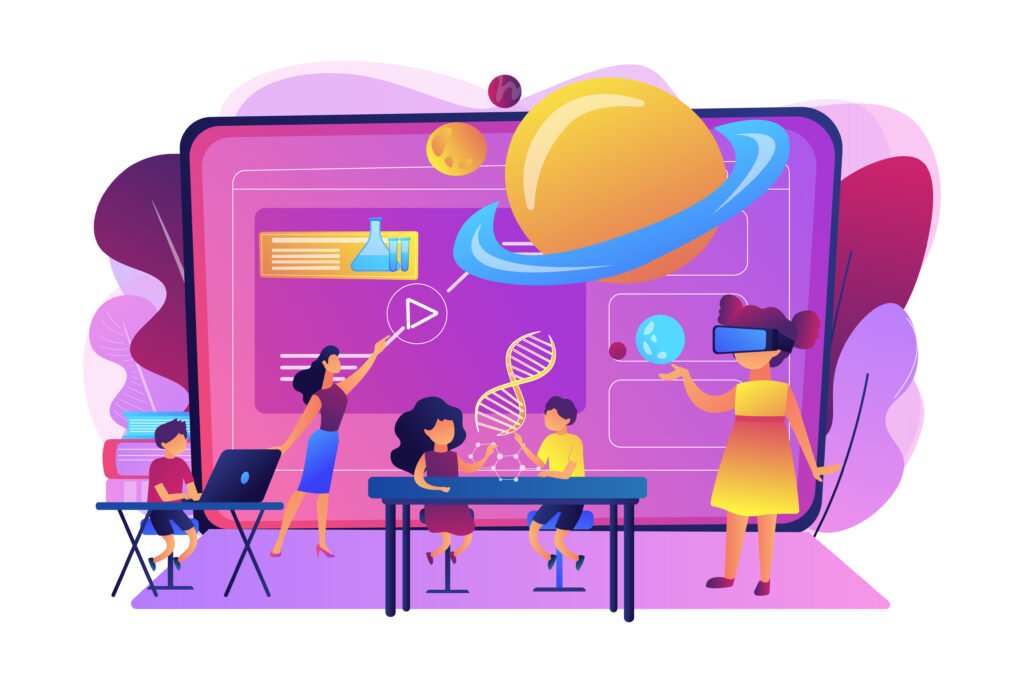
You can take action immediately instead of waiting for your college or school to catch up! Here’s what you can do right now:
- Try a free and effective service such as Khan Academy, Socratic, or ChatGPT, for any doubts that you may have.
- Use Grammarly to enhance your written English if you’re applying for jobs.
- Explore online courses offered on an AI-based platform (e.g., BYJU’S or Unacademy) if you’re studying for competitive exams.
- Visit CareerGrowKaro.com for Indian students looking for career maps and skill-building advice specific to their needs.
- Learn more about AI in the education space by following news about AI in education because this space changes quickly.
In conclusion, AI in education is not something to be thought of as a concept of the future. It is something that is currently available to you as a tool. Those students who take and understand the importance of AI in education will have a significant advantage over those who do not.
FAQs about Importance of AI in Education
Q1. What does AI in education mean?
AI in education uses technology to create personalized experiences for learners, provide immediate answers to learners’ questions, and provide access to the best possible educational opportunities to everyone in the world, no matter their circumstances or location. AI makes education more efficient, affordable and accessible.
Q2. What are some AI examples in India?
AI has a positive impact on Indian learners through the following platforms: BYJU’S adaptive learning engine; DIKSHA government education platform; AI-based doubt solving at Vedantu; and CareerGrowKaro career development platform.
Q3. Will AI replace teachers?
No. AI can automate repeatable, mundane or boring tasks. As a result, more of a teacher’s time and effort can be spent as a mentor, coach and inspiring learner. AI should be viewed as an enhanced teaching assistant rather than a replacement of teachers.
Q4. Can rural learners benefit?
Yes! This is one of the greatest benefits of AI in India. Students in small villages with a smartphone and limited internet access have access to the same great educational tools and resources as students in cities such as New Delhi.
Q5. Are there free tools available?
Yes! There are many free options available to learners such as: Khan Academy, Google Socratic, ChatGPT (basic) and all CareerGrowKaro tools are free to use. Many of those tools are upgradeable if required.
Q6. How can I begin using these tools today?
Download Socratic to help find answers to your questions, use Grammarly for improved writing skills, explore Khan Academy for education resources and visit Download Socratic to help find answers to your questions, use Grammarly for improved writing skills, explore Khan Academy for education resources
Final Thoughts
The importance of AI in education is no longer a debate. It is a reality. In India, where millions of students are vying for limited spaces, positions, and opportunities, AI has become the great equalizer.
You have been given an overview of what Artificial Intelligence in education does, how this affects India specifically, and you have also seen real-life instances of the importance of AI in education. More importantly, you now know what to do next.
Stop delaying! Start using AI in your career, and continue to use our guides & templates, free resources, and career maps at CareerGrowKaro to take your career to the level you deserve – one intelligent step at a time.
For additional information, please refer to the following links: NITI Aayog National AI Strategy (niti.gov.in), Ministry of Education NEP 2020 (education.gov.in), and NSDC Skill Development resources (nsdcindia.org).