

People encounter paint every single day because it exists all around them in their walls and furniture and vehicles and roads. People fail to recognize that paint quality represents a fundamental aspect of their existence. High-quality paint produces visually appealing surfaces that maintain their smoothness and durability throughout time. The usage of inferior paint products results in multiple complications. The material can start to peel after brief usage, while its color fades immediately and cracks form across the entire surface. The damage affects the visual appeal of the product while it creates additional expenses for upkeep.
The paint will detach from the surface when it fails to adhere properly. The walls become unattractive because their fading colors create an aging effect. Cracking and bubbling create surface defects that make the area look unsightly. The brand value of a paint company suffers when customer satisfaction declines because of these problems. Paint production demands strict quality control measures according to industry standards.
Manufacturers implement a paint quality control checklist as their solution to address these issues. The checklist provides a complete process that guarantees that every paint batch achieves the necessary quality requirements. The paint quality control checklist evaluates everything from raw material assessment to final product testing. The system enables manufacturers to create consistent products that enhance their operational efficiency while minimizing product faults.
Businesses that implement a paint quality control checklist for their operations will experience improvements in both time efficiency and cost reduction. The system prevents waste while eliminating mistakes to deliver exceptional paint products for customers. The structured manufacturing processes that Careergrowkaro guides professionals and learners to follow bring significant advantages to them.
The paint quality control checklist serves as an essential requirement that businesses must implement to establish their operations. The system enables manufacturers to produce paint products that customers view as dependable and durable and visually appealing.
What is Paint Manufacturing?
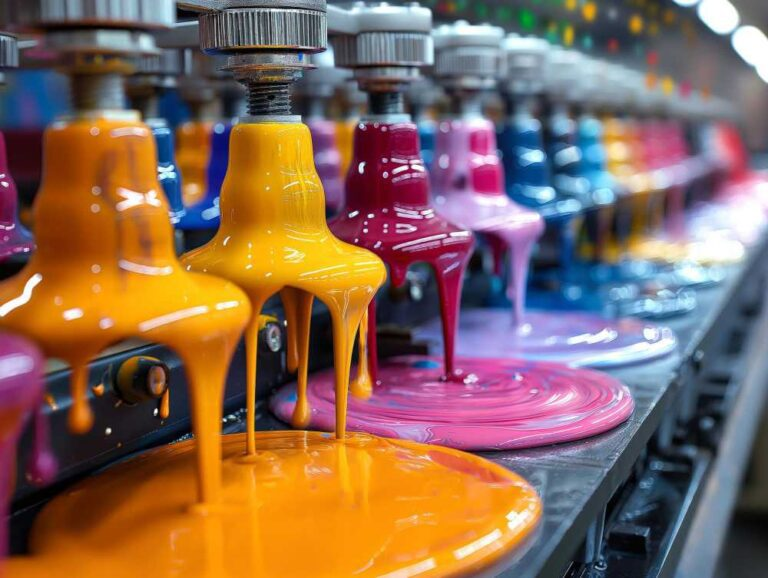
The process of paint manufacturing involves creating paint through the precise combination of various materials, which must be mixed together according to established procedures. The procedure appears simple, but it requires exact execution because all components need to be monitored throughout the process. The function of each ingredient becomes crucial because even minor errors will change the end result. The entire process needs a paint quality control checklist because it helps ensure product consistency from start to finish.
The first main ingredient is pigments. Pigments create the paint’s color while they provide surface coverage. High-quality pigments enable paint to achieve a bright appearance and uniform color distribution. The color of the paint will appear irregular when pigments fail to achieve their proper mixing.
The second ingredient is binders. Binders enable paint to adhere to surfaces. The paint creates a thin film during the drying process. The absence of effective binders leads to paint developing cracks and peeling damage. The paint quality control checklist requires binder quality assessment to ensure product safety.
The third ingredient is solvents. Solvents enable paint to transform into a liquid state for easy application. They enable painters to create even paint applications. The paint will develop either excessive thickness or excessive wateriness when the solvent concentration reaches an incorrect value.
The fourth ingredient is additives. Additives enhance specific paint characteristics, which include drying time, gloss level, and durability against outdoor conditions. Additives extend the paint’s performance while enhancing its durability.
Key Points to Remember:
- Pigments give color and coverage
- Binders provide adhesion and strength
- Solvents control flow and application
- Additives improve performance and durability
- Every step must be checked using a paint quality control checklist
The process of paint manufacturing requires proper mixing of ingredients according to their designated times throughout the production process. The proper paint quality control checklist guarantees that proper procedures will be followed during the entire process, which results in paint that possesses both smoothness and durability and high-grade quality.
Paint Quality Control Checklist
A paint quality control checklist is a simple but very powerful tool in paint manufacturing. It helps make sure that every step, from raw materials to final packaging, is done correctly. By following a proper paint quality control checklist, manufacturers can avoid defects and produce high-quality paint every time.
1. Raw Material Check
The production process requires a complete assessment of raw material quality, which must be conducted through the paint quality control checklist.
A. Quality of pigments
- The pigments need to be checked for their purity and their ability to produce consistent color results.
- The test requires checking for all impurities and testing particles for their size distribution.
B. Purity of solvents
- The test requires checking that solvents maintain their hygiene and no contaminants exist in the materials.
- The test requires checking that all components maintain their proper ratios for application across surfaces.
C. Binder strength
- The test needs to evaluate binder strength, which determines how well materials will stick together.
- The weak binders will result in both peeling and cracking within the structure.
In-Process Checks
The manufacturing process requires continuous supervision because it operates under a designated schedule. The paint quality control checklist allows indoor monitoring of manufacturing processes through its tracking system.
A. Mixing consistency
- The mixing process needs to achieve complete ingredient distribution throughout the mixture.
- The test requires checking that all materials are free from lumps and inconsistent surface characteristics.
B. Temperature control
- The process needs to maintain mixing temperatures at their designated levels.
- The paint quality will suffer if the temperature either exceeds or drops below the required range.
C. Proper ratios
- The process demands that all ingredients be used according to their proper proportions.
- The test requires checking that all ingredients maintain their proper proportions because incorrect ratios will affect product thickness and chemical performance.
Final Product Testing
The testing process starts after the paint reaches its complete preparation. The paint quality control checklist needs to be completed for all quality tests:
A. Viscosity test
- Check the thickness of the paint
- It should not be too thick or too thin
B. Drying time test
- Measure how quickly the paint dries
- Both surface dry and full dry time matter
C. Adhesion test
- Ensure the paint sticks well to surfaces
- Poor adhesion leads to peeling
D. Color matching
- Check if the color is accurate and consistent
- Each batch should match the standard shade
Packaging Check
The paint quality control checklist remains active after the production process:
A. Proper sealing
- Ensure containers are tightly sealed
- Prevents drying and contamination
B. Label accuracy
- Check product details, batch number, and instructions
- Helps customers use the product correctly
C. No leakage
- Inspect containers for any leakage
- Avoids product loss and damage
Why Quality Control is Important in Paint Manufacturing
Quality control plays a key role in ensuring every batch meets standards through a proper paint quality control checklist.
- Ensures Durability: A proper paint quality control checklist helps make sure the paint lasts for a long time without damage. It prevents problems like peeling, cracking, and fading.
- Improves Customer Satisfaction: When manufacturers follow a paint quality control checklist, they deliver smooth and high-quality paint to customers. This builds trust and makes customers happy with the product.
- Reduces Complaints and Returns: A strong paint quality control checklist helps detect issues early in the process. This reduces the chances of defective products reaching customers and lowers returns.
- Helps Meet Industry Standards: Using a paint quality control checklist ensures that the paint meets required safety and quality standards. It helps manufacturers stay compliant with industry rules and regulations.
- Saves Money in the Long Run: By following a paint quality control checklist, companies can avoid waste and rework. This saves production costs and increases overall profit over time.
Key Ingredients in Paint Manufacturing and Their Roles
To understand how paint works, it is important to know the role of each ingredient. The table below explains the main components used in paint manufacturing and why they are important in maintaining a proper paint quality control checklist.
| Ingredient | Function | Problem if Missing |
| Pigments | Gives color & coverage | Faded or uneven color |
| Binders | Helps paint stick | Peeling or cracking |
| Solvents | Controls thickness | Hard to apply |
| Additives | Improves performance | Poor durability |
Each ingredient plays a key role in deciding how the paint looks, spreads, and lasts over time. If even one component is missing or not used in the right amount, it can affect the overall quality of the paint. For example, poor pigments can reduce color quality, weak binders can lead to peeling, and incorrect solvents can make the paint difficult to apply. This is why manufacturers must pay close attention to every ingredient during the production process.
By using a proper paint quality control checklist, manufacturers can carefully check the quality, proportion, and performance of each component before moving to the next step. This not only helps in avoiding defects but also ensures that the final product meets customer expectations. In simple terms, a well-followed paint quality control checklist ensures that every ingredient works perfectly together, resulting in paint that is smooth, durable, and reliable.
Key Technical Specifications in Paint Manufacturing
To produce high-quality paint, manufacturers must carefully control these technical parameters using a paint quality control checklist.
1. Viscosity
Viscosity defines how thick paint material is and how well it flows. Some paints have a thick consistency, while other paints have a more liquid form. The thickness of paint affects its spreading ability, while the thinness of paint determines its coverage performance. A paint quality control checklist helps ensure the viscosity is balanced for smooth application.
2. Drying Time
Drying time tells us how long paint takes to dry after application. There are two types: surface dry (top layer dries) and full dry (complete drying). The drying speed matters because it affects work progress while quick drying changes the final appearance. A paint quality control checklist ensures proper drying time for best results.
3. Gloss Level
Gloss level describes the degree of shine that paint exhibits after it dries. The paint finishes can be applied at three different levels, which are matte (no shine), semi-gloss (medium shine), and gloss (high shine). Different applications require different surface finishes; therefore, gloss control becomes essential. The paint quality control checklist enables proper maintenance of required shine levels throughout all production batches.
4. Coverage
Coverage means how much area one liter of paint can cover. Good paint should cover a large area evenly. The cost rises when coverage decreases because users need to buy additional paint. The paint quality control checklist ensures correct formulation, which leads to improved coverage results.
5. Adhesion
Adhesion shows how effectively paint attaches to different surfaces, which include walls and wood and metal. Strong adhesion keeps paint in place for a long time. When adhesion is inadequate, paint will start to peel and flake. A paint quality control checklist ensures that binders and materials provide strong sticking power.
6. Color Consistency
Color consistency means that every batch of paint has the same shade and appearance. Customers expect the same color every time they buy paint. The color changes affect trust and satisfaction. A paint quality control checklist helps maintain uniform color across all batches.
Tools Used for Quality Testing
In simple words, these tools play an important role in checking different properties of paint during manufacturing. By using these tools regularly, manufacturers can follow the paint quality control checklist more effectively and ensure that every batch of paint is consistent, durable, and high in quality.
- Viscometer: The viscometer measures paint viscosity, which determines paint thickness. The system verifies paint flowability by testing against paint quality control standards.
- Gloss Meter: The gloss meter determines the shininess or dullness of the paint surface after it has dried. The system helps maintain proper finish requirements, which the paint quality control checklist establishes.
- Drying Time Tester: The drying time tester measures the duration needed for paint to dry on surfaces. The system verifies surface and complete drying times according to the paint quality control checklist requirements.
- pH Meter: The pH meter measures paint acidity or alkalinity. The correct pH level helps paint stability and performance according to the paint quality control checklist requirements.
Common Mistakes to Avoid
Let’s look at some common mistakes that can affect paint quality and how the paint quality control checklist helps prevent them.
- Ignoring Raw Material Quality: One of the biggest mistakes in paint manufacturing is using low-quality raw materials. If pigments, binders, or solvents are not checked properly, the final paint may have poor color, weak adhesion, or low durability.
- Poor Mixing: The production of paint requires thorough ingredient mixing. Paint production requires complete ingredient blending to prevent the creation of uneven surfaces and visible color variations and paint clumps.
- Skipping Testing Steps: Some manufacturers may skip testing to save time or cost. However, this can lead to serious problems like incorrect viscosity, poor drying time, or weak adhesion. The paint quality control checklist requires these specific checks because they serve as essential components for its complete implementation.
- Incorrect Storage: The wrong storage conditions for paint products will result in quality degradation. The paint performance suffers when environmental factors such as temperature and moisture and air exposure affect its characteristics.
- Inconsistent Batch Control: The production of different product batches requires manufacturers to maintain consistent production methods. This creates confusion and dissatisfaction among customers. The paint quality control checklist requires unbroken implementation during every batch process.
Conclusion
The process of manufacturing paint requires multiple essential steps that need precise execution throughout the entire production process. The final product depends on all stages, which start with choosing appropriate raw materials that include pigments and binders and solvents and additives and continue through the processes of mixing and testing and packaging. The team observed how technical elements such as viscosity and drying time and gloss level and coverage and adhesion and color consistency determine the quality of paint products. The correct usage of tools together with the elimination of typical errors must receive equal emphasis.
The complete process of controlling quality for paint requires execution through an established paint quality control checklist. This checklist acts as a guide that helps manufacturers maintain consistency, reduce errors, and ensure that every batch of paint meets high standards. The absence of a paint quality control checklist creates hindrances for quality management, which results in peeling and fading and customer complaints.
The implementation of a paint quality control checklist enhances product performance while establishing customer trust and improving brand reputation. The system enables manufacturers to decrease production time, minimize waste, and achieve enhanced outcomes throughout their operations. Multiple educational platforms, including Careergrowkaro, demonstrate how manufacturing sectors benefit from following standardized procedures.
The requirement for quality control stands as an essential element that businesses must fulfill. Manufacturers can develop paint products that maintain their quality throughout time by following proper procedures and using a standardized paint quality control checklist.
By improving quality control practices, manufacturers can stay ahead in a competitive market. A strong paint quality control checklist not only improves products but also supports long-term business growth. Consistency in quality leads to repeat customers and better brand value. In the end, small steps in quality control can create big success in the paint industry.