Let us be honest. You spent weeks preparing answers for “Tell me about yourself.” You rehearsed your strengths and weaknesses. You even Googled the company’s founders at midnight. But then you showed up wearing a wrinkled shirt and flip-flops. Guess what the interviewer remembered? Not your brilliant answers.
- What Is the Right Interview Dress Code?
- Interview Dress Code for Men
- Interview Dress Code for Female Candidates
- How to Dress for an Interview by Industry
- What to Wear to an Interview Female Casual
- Government Job Interview Dress Code for Female
- Common Mistakes That Ruin Your Interview Dress Code
- Quick Interview Dress Code Checklist
- Colour Psychology for Your Interview Outfit
- FAQs About Interview Dress Code
- Conclusion
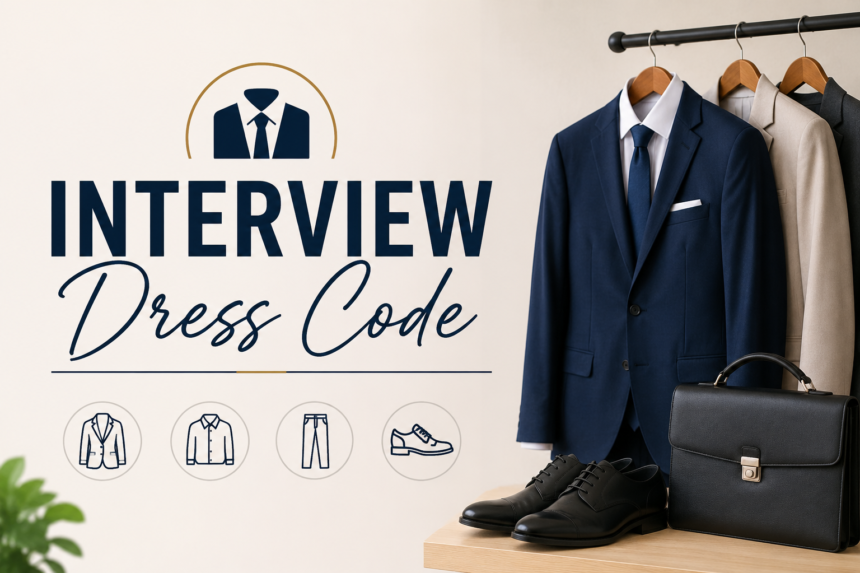
Your interview dress code matters more than most people admit. Studies show that hiring managers form a strong first impression in the first 7 seconds. Seven seconds. That is barely enough time to say “Good morning.” So yes, what you wear to your interview is a big deal and this CareerGrowKaro guide will help you get it right every single time.
This is especially important in India where interviews range from a casual startup conversation in a Bengaluru co-working space to a formal UPSC personality test in New Delhi. The context changes everything. And if you are a first-generation job seeker from a Tier-2 or Tier-3 city, nobody probably sat you down and explained what the right interview dress code looks like in different industries. That is exactly why this guide exists.
What Is the Right Interview Dress Code?
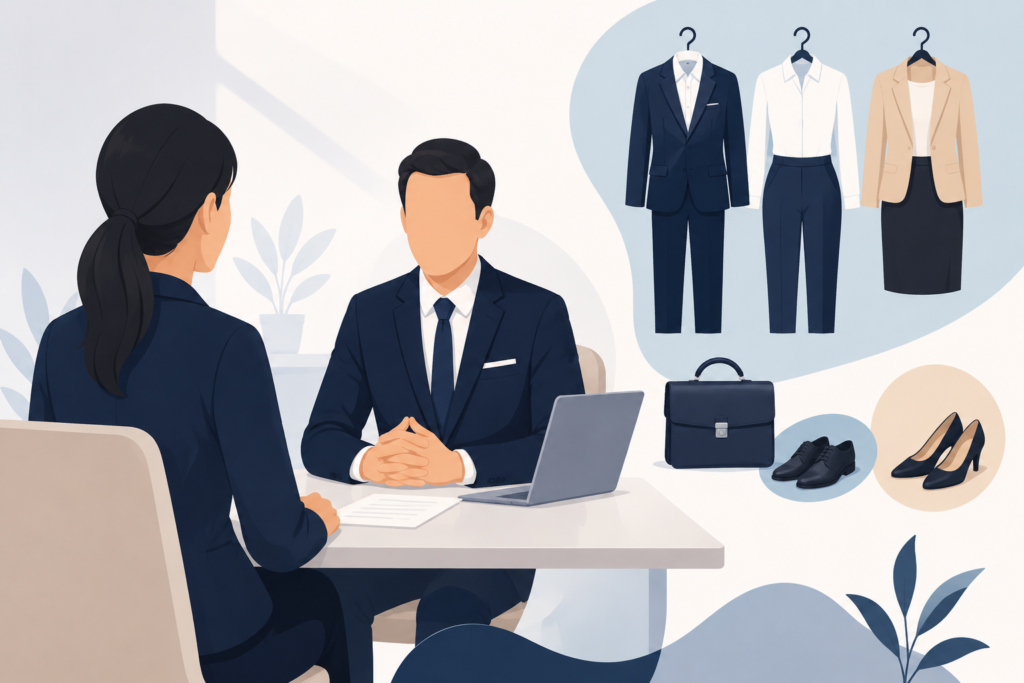
The right interview dress code depends on three things: the industry, the company culture, and the job role you are applying for. There is no single universal rule. A banker and a startup developer do not dress the same way for their interviews and they should not.
But here is the general thumb rule you can always fall back on: dress one level above what the employees at that company wear on a regular workday. So if the office is business casual, you dress business formal. If the office is casual, you go business casual. Simple.
How do you find out what employees wear? Easy. Check the company’s LinkedIn page and look at employee photos. Check their Instagram or Twitter if they have one. Sometimes the company website has team photos. This small research step can completely transform how you approach the interview dress code for that specific company.
If you cannot find any information at all, always default to business formal. It is always better to be overdressed than underdressed in an interview setting. An interviewer will never hold it against you for looking too professional.
The interview dress code for men and the interview dress code for female candidates differ slightly in terms of specific clothing items, but the core principles remain the same. Neat, clean, well-fitted, and appropriate for the industry.
Let’s break it all down properly.
Interview Dress Code for Men
A lot of guys make the mistake of thinking that “decent clothes” are enough. They are not. The interview dress code male candidates follow should be intentional and put-together. Here is what works:
Business Formal (for banks, law firms, consulting, government)
- A full-sleeved formal shirt in white, light blue, or pastel shades
- Well-fitted formal trousers in black, navy, or charcoal grey
- A tie (optional but a good idea for senior roles)
- Formal leather shoes, polished and clean
- Dark socks that match the trouser
- A blazer or suit jacket if the role is senior
Business Casual (for IT companies, mid-size firms, startups)
- A neat collared shirt or polo in solid or subtle patterns
- Chinos or formal trousers
- Clean leather shoes or formal loafers
- No tie needed
Things to avoid when selecting what to wear as a male candidate:
- Jeans, unless you are absolutely sure the company culture is very casual
- Sneakers or sports shoes
- Heavy perfume (the interviewer should not smell you before they see you)
- Shirts with loud graphics or slogans
- Wrinkled or stained clothes (iron your clothes the night before, please)
- Hair should be neat. Beard should be trimmed or clean-shaven. Nails should be clean.
Small habits like grooming, confidence, and body language often create a stronger first impression than candidates realize during interviews. These small things complete the interview dress code for men and signal that you pay attention to detail.
Interview Dress Code for Female Candidates
The interview dress code for female candidates gives more options but also more room for error. Here is a clear breakdown:
Business Formal (banks, law, consulting, government, corporate roles)
- A formal blazer paired with a formal trouser or a knee-length skirt
- A well-fitted formal kurta with straight-cut trousers (completely acceptable in Indian offices)
- Saree in a solid, sober colour (excellent choice for government and senior roles)
- Closed-toe formal heels or flat formal shoes
- Minimal jewellery: small earrings, simple watch
- Light, natural-looking makeup
Business Casual (IT companies, media, education, mid-level startups)
- A formal or semi-formal kurta with palazzo or formal pants
- A neatly pressed salwar suit
- A well-fitted western top with formal trousers
- Flat shoes or low heels
The interview dress code for female professionals in India has a major advantage: Indian ethnic wear is completely professional and often creates a strong, confident impression. Do not shy away from it.
What to avoid when selecting your outfit as a female candidate:
- Clothes that are too tight, too short, or too revealing
- Very heavy or noisy jewellery
- Bright or glittery nail polish
- Strong perfume
- Overly casual footwear like slippers or rubber chappals
- Clothes with distracting prints
Hair should be neat. If your hair is long, tie it or keep it well-groomed. The overall goal of the interview dress code for female candidates is to look polished and professional without being uncomfortable.
How to Dress for an Interview by Industry

This section is where most guides fail you. They give you a generic list and call it a day. CareerGrowKaro believes in specifics. Here is how to dress for an interview by industry:
Banking and Finance
Business formal. Men: suit or blazer with tie. Women: formal suit, saree, or kurta with blazer. Stick to neutral colours like white, navy, grey, black.
IT and Technology
Business casual is fine. Men: collared shirt with chinos. Women: formal kurta or western top with trousers. Neat and clean is the goal. Suits are not necessary.
Government and PSU Jobs
Conservative and formal. This is where you want to dress your most traditional. Men: formal shirt and trouser. Women: saree, salwar suit, or formal kurta. The government job interview dress code for female specifically expects traditional Indian formal wear and it works very well.
Healthcare and Pharma
Clean, professional, and understated. Avoid flashy accessories. White or light-coloured formal wear leaves a great impression.
Teaching and Education
Smart and approachable. You do not need to go full corporate. A neat salwar suit or formal trousers with a pressed shirt works well.
Media, Design, and Creative Fields
You have more freedom here. Business casual is standard. You can show some personality with your colours or style choices, but do not go overboard. Even in creative industries, the way you present yourself should look intentional and well thought out.
Legal
One of the most conservative. Dark colours, formal attire, and minimal accessories are the way to go.
Startups
This one is tricky. Many startups are very casual day-to-day, but for interviews, still dress business casual at minimum. Even in relaxed workplaces, recruiters still pay close attention to how professionally candidates present themselves during the hiring process, which is why understanding why most recruiters ignore your resume and how to fix it can give you a major advantage. A clean shirt and formal trousers beat a printed tee any day.
The key insight on how to dress for an interview by industry is this: when in doubt, go one step more formal than you think is needed. Different industries also demand different skill sets, which is why students preparing for future careers often explore Top 15 High Demand Skills in India for 2025–2030 to understand changing industry expectations. No one has ever been rejected for being “too well-dressed.”
What to Wear to an Interview Female Casual
Sometimes the job posting or HR email says “dress casual” or the role is in a very relaxed work environment. Even then, dressing appropriately still matters. Casual does not mean sloppy.
What to wear to an interview female casual:
- A solid-coloured or subtly printed blouse or top with formal or semi-formal trousers
- A neat, well-ironed kurta with leggings or churidaar (this is a perfect Indian casual option)
- A midi dress or a wrap dress in a sober colour
- Clean, neat flats or loafers
Even for casual interviews, avoid:
- Jeans unless the company explicitly says it is okay
- Graphic tees or crop tops
- Short dresses or skirts
- Noisy jewellery
The idea behind knowing what to wear to an interview female casual is that casual means polished-but-relaxed. Not Friday evening at the mall. Think of it as “smart casual.” You still want the interviewer to take you seriously.
Government Job Interview Dress Code for Female
This deserves its own section because the government job interview dress code for female is quite specific and many candidates get it wrong.
If you are appearing for an SSC, UPSC, PSC, banking, or any other government job interview, here are the rules you should follow:
Best choices:
- Saree in a sober, solid colour such as white, light blue, peach, or pastel shades. This is the safest and most impressive choice.
- Salwar kameez in a plain or muted print, well-pressed and neat
- Formal kurta with straight trousers in neutral colours
- A formal blazer over a kurta adds a professional edge
Footwear tips for government job interviews for female candidates:
- Flat mojris or formal flats (very comfortable for long waiting periods common in government interviews)
- Low block heels if you prefer heels
Accessories:
- Simple earrings
- Small bindi if you usually wear one (completely acceptable)
- A watch is a nice addition
Hair:
- Neatly tied or pinned
- Avoid leaving hair open for very formal government settings
The government job interview dress code for female is essentially about conveying respect for the institution. These are formal, traditional settings and your clothing should reflect that you understand the environment you are stepping into.
Many toppers of UPSC and state PSC interviews have later shared that their simple, sober saree or salwar suit helped them feel confident and make a solid first impression on the board.
Common Mistakes That Ruin Your Interview Dress Code
You would be surprised how many smart candidates slip up on these:
- Wearing clothes for the first time on interview day: Always wear new clothes at least once before the interview so you know how they fit and feel.
- Forgetting about smell: Body odour or heavy cologne is a huge distraction. Shower before the interview, use a mild deodorant, and skip the heavy perfume.
- Ignoring your shoes: Interviewers notice shoes more than you think. Polish them. Make sure there are no scuffs.
- Wrong fit: Clothes that are too tight or too loose look sloppy. Make sure everything fits you well.
- Overloading on accessories: Keep it simple. Less is more.
- Checking your phone while waiting: This is not a dress code tip but it is a presentation tip. Put the phone away.
- One more mistake worth calling out: many candidates buy expensive branded clothes thinking that price equals professionalism. Real success stories often prove that confidence, preparation, and consistency matter far more than background or expensive resources, as seen in Content Creation Made Him Unstoppable. It does not. A well-ironed Rs. 400 formal shirt from a local market, paired with clean formal trousers, beats an expensive wrinkled shirt from a fancy brand any day. The interview dress code is about presentation, not price tags. Your effort and attention to detail are what the interviewer notices, not your clothing label.
Also, prepare your outfit the evening before. Do not leave it for the morning. Morning panic leads to bad decisions. You do not want to be frantically looking for matching socks at 8 AM when your interview is at 10. Lay everything out the night before: shirt, trousers, belt, shoes, socks, and any accessories. That 10 minutes of preparation the night before will save you enormous stress on interview day.
Quick Interview Dress Code Checklist
Before you walk out the door, run through this:
For Men:
- Shirt ironed and tucked in
- Trousers pressed and fitting well
- Shoes polished and matching belt
- Hair neat, beard trimmed
- Nails clean
For Women:
- Outfit ironed and fitting well
- Footwear clean and appropriate
- Jewellery minimal
- Hair neat and tied or pinned
- Makeup natural and light
- Bag or purse neat and professional
Struggling with how to prepare for your interview beyond just the dress code? Use CareerGrowKaro’s Interview Preparation Guide to get ready for every question they throw at you.
Strong soft skills often become the deciding factor between two candidates with similar qualifications, especially during interviews where communication and confidence matter most, which is why many students also read Powerful Soft Skills for Resume: 2026 Career Guide.
Colour Psychology for Your Interview Outfit
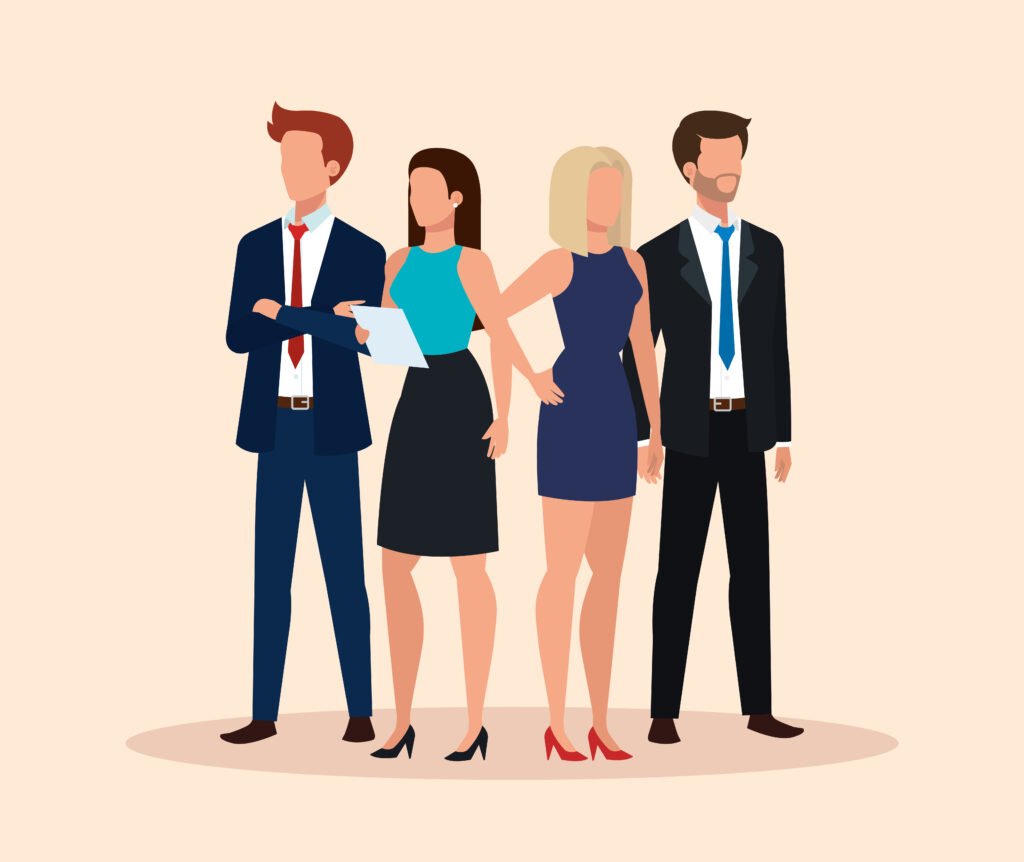
Nobody talks about this enough. The colours you choose for your interview outfit actually affect how the interviewer perceives you. Here is a quick breakdown:
Navy Blue
Communicates trust, reliability, and competence. One of the safest and most recommended colours for any formal situation. Works for both men and women across industries.
White
Projects cleanliness, clarity, and professionalism. A white formal shirt or kurta is almost never wrong and always looks fresh.
Grey
Signals analytical thinking and composure. Great for finance and consulting roles.
Light Blue
Approachable and calm. Works well for teaching, healthcare, and client-facing roles.
Black
Powerful and authoritative. Works well when used strategically but avoid head-to-toe black as it can feel too heavy in an interview setting.
Avoid
Neon colours, very bright reds, or heavily patterned fabrics. These are visually distracting and pull attention away from what you are saying.
The colour advice here pairs directly with the broader guidance on how to dress for an interview by industry. A finance interview calls for navy or grey. A creative role interview gives you a little more freedom to use colour as a personality signal. Context always matters.
FAQs About Interview Dress Code
Q1. Can I wear jeans to a job interview?
Only if the job posting or company culture explicitly allows it and even then, wear dark, well-fitted jeans with a formal shirt or blazer. As a general rule, avoid jeans in your interview dress code unless you are absolutely sure it is acceptable. When in doubt, go formal.
Q2. What is the interview dress code for male freshers with no formal clothes?
You do not need expensive suits. A simple light-coloured formal shirt, well-fitted dark formal trousers, and clean formal shoes are completely enough. Iron everything. That is the most important step. You do not have to spend a lot to look professional.
Q3. Is it okay for women to wear salwar kameez to corporate interviews?
Absolutely yes. A well-pressed, sober salwar kameez is completely professional and widely respected in Indian corporate settings. It is an excellent choice for your interview dress code and often makes a very positive impression, especially in traditional industries.
Q4. What colours should I avoid in my interview dress code?
Avoid very bright colours like neon orange or neon yellow. Also avoid all-black outfits as they can look too harsh. Light pastels, whites, light blues, navies, greys, and soft earth tones work best for most interview settings.
Q5. Does interview dress code matter for online or video interviews?
Yes, it absolutely does. Dress your upper body as if it is an in-person interview. It puts you in the right mindset and makes you look professional on camera. Avoid patterns that cause visual noise on video, like very thin stripes.
Q6. What is the safest interview dress code for government job interviews for females?
A well-pressed saree or salwar kameez in a sober, neutral colour is the safest and most respected choice. Keep accessories minimal, hair neat, and footwear formal. This combination works well across UPSC, SSC, banking, and state government interview boards.
Conclusion
Your interview dress code is the first thing the interviewer notices and the last thing you should leave to chance. Whether you are a fresher going for your first IT job, a woman appearing for a government board interview, or a professional switching industries, dressing right shows respect for the opportunity and confidence in yourself.
Remember: you do not need to dress expensively. You need to dress appropriately, neatly, and intentionally. A clean, ironed, well-fitted outfit in the right colours will always beat an expensive but careless look.
Think of your interview dress code as a non-verbal cover letter. Before you say a single word, your clothes are already speaking for you. Make sure they say the right things.
For freshers reading this, here is one more thing to keep in mind. Every senior professional you admire today once stood nervously outside an interview room, unsure if their shirt was ironed enough or their shoes were polished enough. That nervousness is normal. What separates the ones who got the job from the ones who did not was not talent alone. It was preparation. And preparation includes how you show up, not just what you know.
CareerGrowKaro is here to help you prepare for every part of your job journey, not just the dress code. If you are still exploring the right career direction, understanding different career paths and industry expectations can help you prepare smarter for interviews. From resume building to interview prep to career planning, we have got you covered.
Your preparation does not stop at your wardrobe. Many students today are also exploring online income opportunities and practical side skills early, which is why guides like How to Earn Money Online for Students 2026 (₹5K–₹25K) have become popular among freshers and college students. After you nail your look, make sure your resume is equally sharp and your interview answers are ready. CareerGrowKaro has free guides and tools to help you with both. A great outfit opens the door. Your preparation, skills, and confidence are what walk you through it.
Now go iron that shirt, polish those shoes, and walk into that interview like you already have the job. Take a deep breath. You have prepared. You are ready. You have got this.