
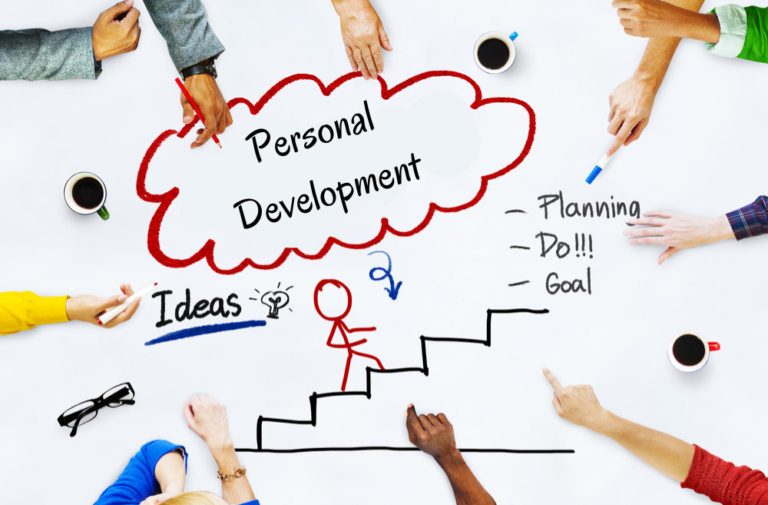
Personality development is the process of improving your communication, confidence, behavior, attitude, and overall presence. The best way to improve your personality is by building small habits consistently. This 21-day personality development tips plan focuses on communication skills, confidence building, body language, grooming, and self-discipline. By following simple daily actions for just 21 days for personality development tips, students and freshers can become more confident, improve their career opportunities, and create a positive impression in interviews, college, and social situations.
- What Is Personality Development?
- How Can a 21-Day Personality Development Plan Help?
- Week 1: Build Self-Awareness and Confidence (Days 1–7)
- Day 2: Set Personality Goals
- Week 2: Improve Communication Skills (Days 8–14)
- Week 3: Professional Personality Development (Days 15–21)
- Real Indian Example: How Personality Development Changed a Student’s Career
- Magic Box: Want Faster Personality Development?
- Frequently Asked Questions
- Conclusion
Many students know they need better communication skills, confidence, and professional behavior, but they often struggle to find the right starting point. Whether it’s speaking in front of a class, attending an interview, or networking with professionals, self-doubt can become a major obstacle. That is why personality development tips are among the most searched topics by students and freshers across India.
The good news is that personality development is not about changing your identity or pretending to be someone else. It is about improving your strengths, overcoming weaknesses, and building habits that help you grow personally and professionally. By following practical personality development tips, students can improve their communication skills, body language, confidence, and overall presence in everyday situations.
At CareerGrowKaro, we regularly guide students from Tier 2 and Tier 3 cities who want to become more confident, perform better in interviews, and build successful careers. Through consistent effort and the right guidance, anyone can develop a strong personality. This 21-day action plan is designed to help you take small but meaningful steps every day. Follow these personality development tips consistently, and you will start noticing positive changes in your mindset, behavior, and confidence.
Next Step: Keep a notebook or notes app ready to track your 21-day progress.
What Is Personality Development?
Personality development is the process of improving your thoughts, behavior, communication skills, confidence, attitude, emotional intelligence, and overall appearance to become the best version of yourself. It is not about changing your personality completely or trying to copy someone else. Instead, it focuses on enhancing your strengths, overcoming weaknesses, and developing positive habits that help you succeed in both personal and professional life.
Many students think personality development only means speaking fluent English or dressing well. In reality, it includes several aspects such as communication, confidence, body language, leadership, problem-solving, and interpersonal skills. Following the right personality development tips can help students build these qualities gradually and effectively.
Good personality development helps you:
- Speak confidently during interviews and presentations
- Build stronger personal and professional relationships
- Improve leadership and teamwork skills
- Create a positive first impression
- Handle challenges with confidence
- Increase internship and job opportunities
- Develop a growth-oriented mindset
By applying practical personality development tips, students can significantly improve both their academic performance and career prospects. Personality development tips go beyond improving appearance or communication skills; they help students build confidence, discipline, leadership abilities, emotional intelligence, and a positive attitude toward learning and growth.
How Can a 21-Day Personality Development Plan Help?
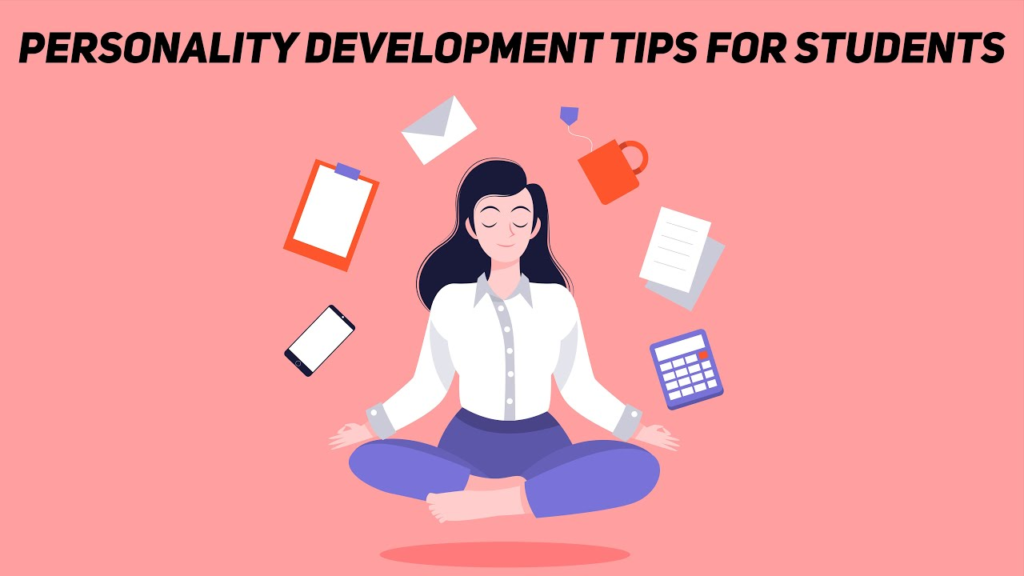
Many people want to become more confident, improve their communication skills, or develop a better personality, but they often feel overwhelmed because they try to change too many things at once. This usually leads to frustration and inconsistency. A 21-day personality development plan solves this problem by breaking the process into small, manageable actions that can be practiced daily.
1. Easier to Follow: When you have a clear task for each day, you don’t waste time wondering what to do next. The plan provides direction and keeps you focused on one goal at a time.
2. Less Overwhelming: Personality development tips involves many skills, including communication, confidence, emotional intelligence, and discipline. A 21-day plan breaks these skills into smaller daily activities that are easier to complete and maintain.
3. More Measurable: A structured challenge allows you to track your progress and see visible improvements over time.
You can measure:
- Confidence levels
- Communication skills
- Vocabulary growth
- Public speaking ability
- Daily discipline
Tracking progress increases motivation because you can clearly see how far you have come.
4. More Motivating: Small daily wins create a sense of achievement. Completing one task every day builds confidence and encourages you to continue.
Next Step: Commit to spending just 20 minutes daily for the next 21 days. Write down your starting confidence level today and compare it with your progress at the end of the challenge.
Week 1: Build Self-Awareness and Confidence (Days 1–7)
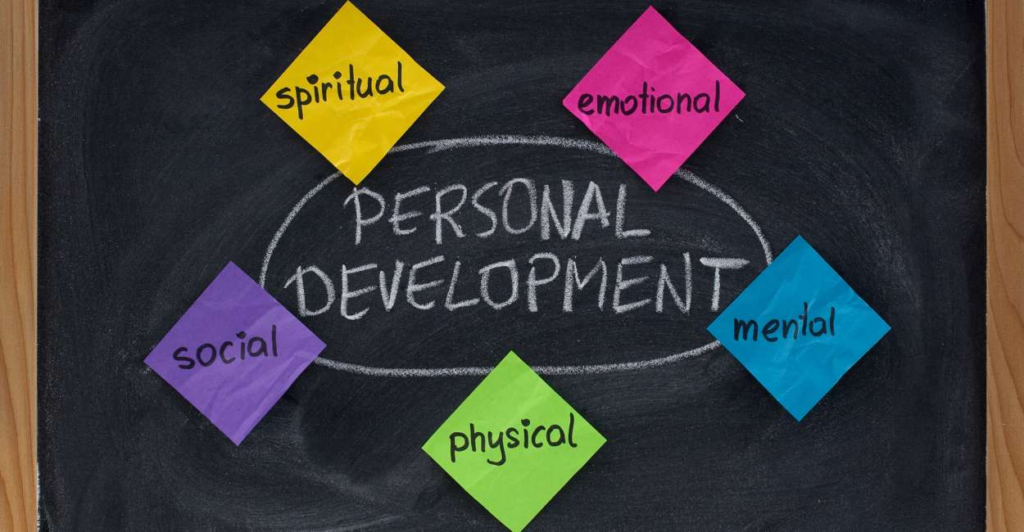
The first week of this 21-day personality development tips plan focuses on building a strong foundation through self-awareness and confidence. Before improving communication or professional skills, it is important to understand yourself, identify areas for growth, and develop a positive mindset.
Day 1: Assess Yourself
The first step in personality development is understanding yourself. When you know your strengths and weaknesses, you can focus on improving the areas that matter most while using your strengths to build confidence.
Write down:
- 5 personal strengths
- 5 weaknesses you want to improve
- One skill you are proud of
- One habit holding you back
- One area where you want growth
Day 2: Set Personality Goals
Clear goals give direction to your efforts. Instead of saying “I want to improve myself,” create specific goals that can be measured and tracked throughout the 21-day challenge.
Write:
- 3 personality development goals
- A deadline for each goal
- Why each goal matters
- One action step for each goal
- How you will measure progress
Day 3: Practice Positive Self-Talk
Your thoughts influence your actions. Negative self-talk reduces confidence, while positive self-talk helps you stay motivated and believe in your abilities, even when facing challenges.
Replace:
- “I can’t do this” → “I can learn this.”
- “I’m nervous” → “I’m improving.”
Day 4: Improve Posture
Body language affects how others see you and how you feel about yourself. Standing straight makes you appear more confident, professional, and approachable while also improving self-confidence.
Action:
- Stand straight while walking
- Keep your shoulders back
- Avoid slouching while sitting
- Lift your head while talking
- Check your posture every hour
Day 5: Maintain Eye Contact
Eye contact shows confidence, attentiveness, and respect. It helps create trust during conversations and makes you appear more confident even if you feel nervous internally.
Action:
- Practice 3–5 seconds of eye contact
- Look at the speaker while listening
- Avoid constantly checking your phone
- Smile during conversations
- Practice in front of a mirror
Day 6: Reduce Negative Habits
Bad habits can limit personal growth and lower productivity. Identifying and reducing one negative habit can create more time and energy for self-improvement.
Action:
- Choose one habit to reduce
- Track how often it occurs
- Set a daily limit
- Replace it with a positive habit
- Review your progress at night
Day 7: Weekly Reflection
Reflection helps you understand what is working and what needs improvement. It allows you to celebrate progress, learn from mistakes, and stay motivated for the next phase of your personality development tips journey.
Action:
- Write your observations
- List three achievements
- Identify one challenge
- Note lessons learned
- Set goals for Week 2
Next Step: Prepare for Week 2, where you will focus on improving communication skills, speaking confidence, vocabulary, and social interactions.
Week 2: Improve Communication Skills (Days 8–14)
In Week 2, you will apply practical personality development tips to learn how to express your thoughts clearly, become a better listener, expand your vocabulary, and communicate with confidence in both academic and professional settings. These personality development tips will help you build stronger relationships, perform better in interviews, and develop the communication skills needed for long-term personal and career success.
Day 8: Read for 15 Minutes Daily
Reading is one of the simplest ways to improve communication skills. It helps you learn new words, understand sentence structure, and gain knowledge that can be useful in conversations, interviews, and discussions.
Action:
- Read for at least 15 minutes
- Learn 5 new words
- Note their meanings
- Use them in sentences
- Revise the words before sleeping
Day 9: Practice Speaking Alone
Many students hesitate to speak because they fear making mistakes. Speaking alone helps build confidence without the pressure of an audience. It also improves fluency and helps organize your thoughts clearly.
Action:
- Choose one topic
- Speak continuously for 2 minutes
- Focus on clarity, not perfection
- Avoid reading from notes
- Repeat the exercise twice
Day 10: Record Yourself Speaking
Recording yourself allows you to identify communication mistakes that are difficult to notice during regular conversations. You can evaluate your tone, speed, pronunciation, and confidence level.
Action:
- Record a 1-minute video
- Observe your voice clarity
- Check filler words like “um” or “uh.”
- Evaluate confidence levels
- Note areas for improvement
Day 11: Improve Listening Skills
Communication is not only about speaking well. Good listeners understand others better, build stronger relationships, and respond more effectively during conversations and interviews.
Action:
- Listen without interrupting
- Maintain eye contact
- Pay attention to details
- Ask relevant questions
- Summarize key points mentally
Day 12: Learn the Art of Small Talk
Small talk helps break the ice and makes social interactions easier. It improves networking skills and builds confidence when meeting new people in college or professional settings.
Action:
- Start one new conversation
- Ask open-ended questions
- Show genuine interest
- Listen actively
- End the conversation politely
Day 13: Improve Your Vocabulary
A strong vocabulary helps you express ideas clearly and confidently. You do not need difficult words; learning useful everyday words can significantly improve communication.
Action:
- Learn 10 new words
- Understand their meanings
- Use them in conversations
- Create sample sentences
- Revise previously learned words
Day 14: Practice Public Speaking
Public speaking improves confidence, communication skills, and leadership abilities. The more you practice speaking in front of others, the more comfortable you become expressing your ideas.
Action:
- Choose a simple topic
- Speak for 3–5 minutes
- Maintain eye contact
- Use clear body language
- Ask for feedback afterward
Week 3: Professional Personality Development (Days 15–21)
After building self-awareness, confidence, and communication skills, it is time to focus on professional growth. In Week 3, you will apply advanced personality development tips to develop habits that are highly valued in academic and workplace environments. These include grooming, professional etiquette, emotional intelligence, networking, and time management.
Day 15: Improve Your Grooming
Grooming is an important part of personality development because it influences first impressions. Looking neat and presentable shows self-respect, professionalism, and attention to detail. Good grooming can also boost your confidence in social and professional settings.
Action:
- Wear clean and well-fitted clothes
- Maintain proper personal hygiene
- Keep your hair neat and tidy
- Take care of your footwear
- Create a simple daily grooming routine
Day 16: Learn Professional Etiquette
Professional etiquette refers to the behavior expected in workplaces, internships, and formal environments. Good manners help you build positive relationships and leave a lasting impression on colleagues, teachers, and recruiters.
Action:
- Arrive on time for commitments
- Say “please” and “thank you.”
- Respect personal boundaries
- Avoid interrupting others
- Practice polite communication
Day 17: Improve Time Management
Time management helps you stay organized, reduce stress, and complete tasks efficiently. Successful students and professionals know how to prioritize important activities and avoid wasting time.
Action:
- Make a to-do list
- Prioritize important tasks
- Set realistic deadlines
- Reduce distractions
- Review your schedule daily
Day 18: Build Emotional Intelligence
Emotional intelligence is the ability to understand and manage your emotions while also understanding the emotions of others. It helps improve relationships, teamwork, and decision-making.
Action:
- Observe your emotional reactions
- Think before responding
- Practice empathy
- Stay calm during disagreements
- Reflect on daily interactions
Day 19: Practice Gratitude
Gratitude helps develop a positive mindset by shifting your focus from problems to opportunities. People who regularly practice gratitude tend to experience higher levels of happiness and confidence.
Action:
- Write three things you’re grateful for
- Thank someone who helped you
- Focus on positive experiences
- Keep a gratitude journal
- Reflect on your achievements
Day 20: Network with New People
Networking helps you learn from others, discover opportunities, and expand your professional circle. Building meaningful connections can support your academic and career growth.
Action:
- Introduce yourself to someone new
- Ask about their experiences
- Connect on LinkedIn
- Attend a college event
- Follow up with a polite message
Day 21: Conduct Your Final Personality Review
The final day is about evaluating your progress and identifying areas for further improvement. Reflection helps you recognize achievements and maintain the habits you have developed during the challenge.
Action:
- Review your Day 1 assessment
- List your biggest improvements
- Identify remaining challenges
- Set goals for the next 30 days
- Commit to continuing your best habits.
Real Indian Example: How Personality Development Changed a Student’s Career
Rohit, a B.Com student from Kanpur, had good academic scores but struggled during interviews because he lacked confidence. He rarely spoke in class, avoided group discussions, and found it difficult to express his ideas clearly. Like many students, he knew he needed improvement but did not know where to begin. That’s when he started following simple personality development tips to work on his communication and confidence.
Every day, he practiced speaking for five minutes, improved his posture, learned new vocabulary, and interacted with one new person. He also followed several personality development tips such as maintaining eye contact, practicing positive self-talk, and reducing negative habits that affected his confidence.
Within two months, his confidence improved significantly. By consistently following personality development tips, he became more comfortable speaking in front of others and expressing his thoughts clearly. During campus placement season, he was able to introduce himself confidently, answer questions effectively, and maintain eye contact with recruiters. His communication skills became stronger, and he felt much more comfortable interacting with new people. The regular practice of personality development tips also helped him overcome his fear of interviews and develop a more professional and positive attitude.
As a result, he secured an internship and later received a full-time job offer. The biggest change was not his technical knowledge; it was his personality and communication skills. Rohit’s journey shows how consistently applying the right personality development tips can create meaningful improvements and open new career opportunities.
Next Step: Choose one habit from Rohit’s journey and start today.
Magic Box: Want Faster Personality Development?
Problem:
Many students know they need confidence and communication skills but don’t know what to practice daily.
CareerGrowKaro Resource:
Use CareerGrowKaro’s:
- Interview Preparation Guides
- Communication Skill Resources
- Resume Building Tools
- Career Roadmaps
These resources help students improve professional personality development tips and required for internships and placements.
- Learn communication skills
- Build confidence
- Prepare for interviews
- Develop professional behavior
Start learning with CareerGrowKaro today.
Frequently Asked Questions
1. What are the best personality development tips for students?
The best personality development tips include improving communication skills, maintaining good body language, reading regularly, practicing confidence-building exercises, improving grooming, and developing discipline through daily habits. Consistency matters more than perfection.
2. Can personality development improve interview performance?
Yes. Interviewers evaluate confidence, communication, attitude, and professionalism along with technical knowledge. Strong personality development tips help candidates answer confidently, build rapport, and create a positive first impression.
3. How long does personality development take?
Personality development tips are a continuous process. However, noticeable improvements in confidence, communication, and behavior can often be seen within 21 to 30 days of consistent practice.
4. Which skill is most important for personality development?
Communication skills are often considered the most important because they influence relationships, interviews, networking, leadership, and professional growth.
Conclusion
Improving your personality does not require expensive courses, perfect English, or dramatic lifestyle changes. The most effective personality development tips are often the simplest ones, small daily actions practiced consistently over time. Whether it is improving your communication skills, maintaining better posture, managing your time effectively, or building confidence through positive self-talk, every small step contributes to long-term growth.
In this 21-day plan, you learned practical personality development tips to strengthen confidence, communication, body language, grooming, emotional intelligence, and professional habits. These skills can help you perform better in college presentations, internship interviews, placement drives, networking events, and future workplaces.
Remember to:
- Build confidence every day
- Improve communication skills regularly
- Maintain positive body language
- Develop professional habits
- Stay consistent with your efforts
At CareerGrowKaro, we believe that every student, regardless of background, city, or English fluency level, has the potential to grow and succeed. By consistently applying the right personality development tips, students can build confidence, improve communication skills, and develop the qualities needed for academic and career success. The key is taking action, practicing daily, and staying committed to continuous improvement.
Start with Day 1 today, follow the challenge sincerely, and track your progress. These personality development tips can help you create lasting positive change and unlock new opportunities in your academic, personal, and professional journey. Your future success depends not only on what you know but also on how confidently you present yourself.