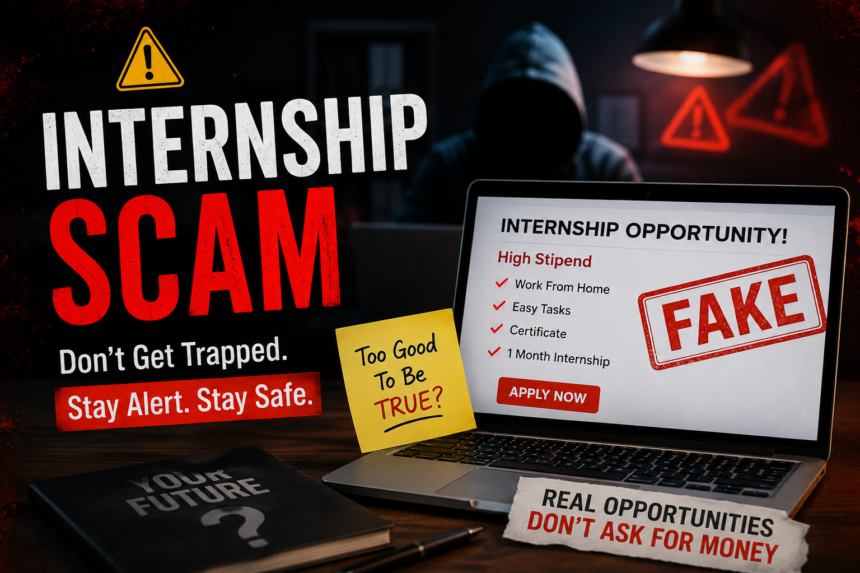
Real talk — this is the story of a student who almost fell for one of the most well-executed internship scams out there. Not the sketchy “pay ₹500 to confirm your seat” kind that’s easy to spot. This one was smoother, sneakier, and it didn’t just get her — it caught three other girls too.
She wanted this shared on Career Grow Karo because if she’d read a post like this before it happened, she’d have spotted the red flags on day one instead of day ten. So consider this everyone’s heads-up.
The Hunt for an HR Internship

The 4 pm meeting got “rescheduled” to 5 pm. Fine, things happen. At 5 pm the girls waited. Eight minutes in, one of them politely asked in the group if the meeting was still on.
The reply: “You all are not punctual, this won’t work out.”
Everyone was stunned — they’d been waiting the whole time. He left the group. When she messaged him personally, he doubled down: the internship was cancelled because they “weren’t punctual.” She pointed out that they couldn’t have joined a virtual meeting that no link was ever shared for. He got irritated, said he was busy, and told her to “go find another internship.”
Connecting the Dots
Something felt deeply off, so she did what everyone should do the moment doubt creeps in — she investigated.
- All three numbers he’d given them on Internshala turned out to be fake.
- His name didn’t show up anywhere connected to any real company.
- Through LinkedIn, she found another girl who’d supposedly done a “finance internship” with the same setup. That girl had faced the exact same cancellation drama — except a different “team member” had apologized and let her “continue.” Except she never got an offer letter either, and she’d been “working” for just six days with zero documentation.
That’s when it clicked. This wasn’t a one-off mistake. It was a pattern — a whole operation designed to string along enthusiastic students, extract free assignment work, and vanish the moment anyone asked for real accountability.
She called back on the very first number. He picked up, still play-acting like a manager. When she asked why nothing had ever gone through official email, his answer was, loosely, that email is “only for insiders, not interns.” When she asked for a cancellation letter, he called it “nonsense” and said “we don’t do that.” After a long back-and-forth, she hung up, blocked every number, reported the profile on Internshala, and filed a complaint on the National Cyber Crime Reporting Portal. She also told the other three girls to report him separately.
Why This Kind of Scam Works So Well
Looking back, here’s what made it convincing:
- The slow build. Multiple small, low-stakes asks (send assignment, send details again) build trust before the real trap.
- No verifiable company name. A real internship always has an entity you can Google, check reviews for, or find on LinkedIn.
- Instant offer letters, zero verification. Genuine employers almost always ask for ID, résumé, or some basic KYC before onboarding — even for unpaid roles.
- Emotional manipulation at the end. Turning the blame back on the victims (“you’re not punctual”) is a classic tactic to make people doubt themselves instead of the scammer.
- Status updates instead of direct replies. It creates an illusion of activity and legitimacy without any real, checkable conversation trail.
This tracks with what cybersecurity researchers have flagged more broadly — fraudulent internship listings frequently rely on vague company details, WhatsApp-only communication, and unrealistically generous stipends to hook students before disappearing with free labour or, in worse cases, personal data (CyberPeace Foundation). A rundown of common warning signs is also available on CareerSwami’s breakdown of internship scam red flags, a handy checklist to keep on hand.
What You Should Actually Do If This Happens to You

- Save everything. Screenshots of chats, the offer letter, phone numbers — all of it counts as evidence.
- Verify the company independently. Search the company name plus “reviews” or “scam,” check their LinkedIn page for real employees, and never trust a company that only exists through one recruiter’s WhatsApp number.
- Report it immediately. File a complaint on cybercrime.gov.in or call the 1930 helpline. You can also flag the listing directly on the platform where you found it (Internshala has a “Report This Job” option). Fraudulent job ads can also fall under legal provisions around misleading advertising, so documenting everything genuinely helps if it ever escalates (Corpotech Legal on internship fraud remedies).
- Don’t let it shake your confidence. One scam artist’s manipulation tactics are not a reflection of anyone’s worth or ability to land a real internship. If anything, this is where working on things like interview confidence and communication skills pays off — they help you spot BS faster and hold your ground when someone tries to gaslight you.
Before You Enter the Corporate World
If there’s one takeaway from this story, it’s this: excitement should never override due diligence. Before saying yes to any internship — remote, virtual, whatever — check the company, ask for things in writing, and never let anyone pressure you into skipping verification because “that’s just how they work.”
For anyone still building their internship search strategy the right way, there are guides on easy ways to get content writing internships, becoming job-ready before graduation, and more relatable stories from people who’ve been through it — because confusion se clarity tak, this corporate maze is figure-out-able together.
Stay sharp, stay verified, and don’t let anyone’s fake urgency become your real problem.