

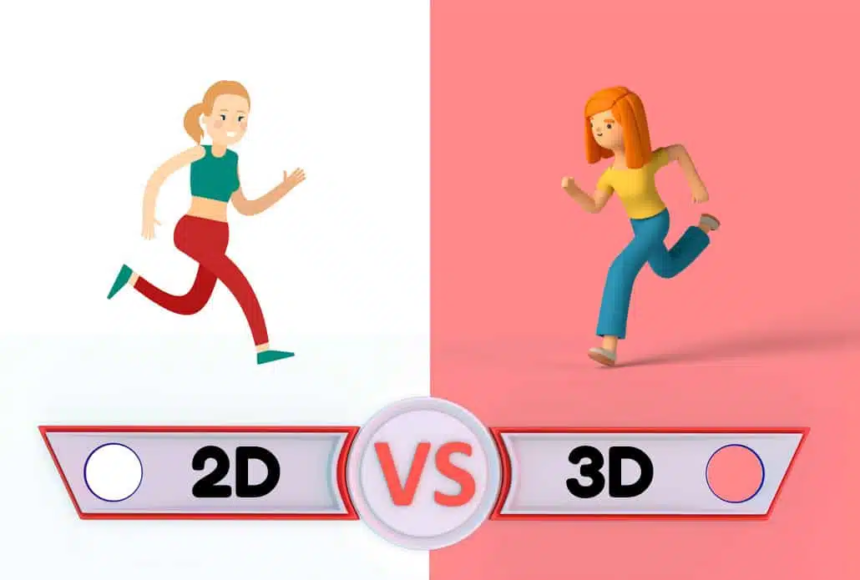
Today animation stands as one of the most thrilling creative domains, which experiences rapid growth. Animation serves as a fundamental element that appears in all forms of media, from films and television programs to video games and online advertisements. The rising need for 2D versus 3D animation skills has led to an increased interest among students who want to establish their animation careers. Beginners face confusion because they need to choose between two different career paths that require various skills. The 2D versus 3D animation career path discussion exists because both animation styles provide distinct artistic possibilities and professional advancement.
People need to know about animation usage in different industrial sectors when they want to pursue a 2D versus 3D animation career. Animated content plays a big role in films, gaming, marketing, education, and social media. Companies need skilled animators to create engaging visual stories and digital experiences.
The 2D vs. 3D animation career discussion presents two different paths, which both lead to valuable career options. Some students enjoy traditional drawing and storytelling, while others prefer working with advanced software and realistic visuals.
The blog will examine 2D vs. 3D animation career paths through the evaluation of essential components, which include necessary skills, equipment, earning potential, and employment opportunities. The platform Careergrowkaro assists students in discovering their appropriate 2D vs. 3D animation career path, which leads them to make better animation industry future choices.
What is 2D animation?
Understanding the 2D versus 3D animation career path requires starting with the definition of 2D animation. The animation technique of 2D animation exists as one of the oldest and most widely used animation methods, which finds application in diverse visual media. The technique creates moving animations through the use of two-dimensional images and drawings.
Definition of 2D Animation:
- The process of 2D animation enables artists to create animated sequences that exist within the limits of two-dimensional space that includes height and width dimensions.
- Animators create the appearance of movement through their creation of characters and objects and backgrounds, which they draw for each individual frame.
- The more traditional and artistic aspect of animation stands with 2D animation when people compare 2D animation to 3D animation.
Where 2D Animation is Used:
- Cartoons and animated TV shows
- Business explainer videos
- Advertising and marketing materials
- Educational content for videos and mobile applications
- The definition of 2D animation creates several career options that students can pursue in their quest to choose between 2D and 3D animation paths.
Famous Examples of 2D Animation:
- The combination of traditional cartoon shows and animated films
- The hand-drawn animation style, which first appeared in the early animated movies
- The majority of current online explainer videos and web-based animations
- The examples enable students to learn about the artistic aspect of professional work, which exists in the 2D animation and 3D animation fields.
Common Tools Used in 2D Animation:
- Adobe Animate
- Toon Boom Harmony
- OpenToonz
- Krita
Skills Required for 2D Animation:
- The ability to represent ideas through drawing and sketching
- The ability to create original ideas and narrate stories
- The knowledge of how to create animated sequences through proper motion sequence design and timing development
- The ability to design characters visually and create visual concepts for character development
Students who enjoy drawing, illustration, and creative storytelling often choose the 2D side when exploring a 2D vs. 3D animation career, as it allows them to bring their artistic ideas to life through animation.
What is 3D animation?
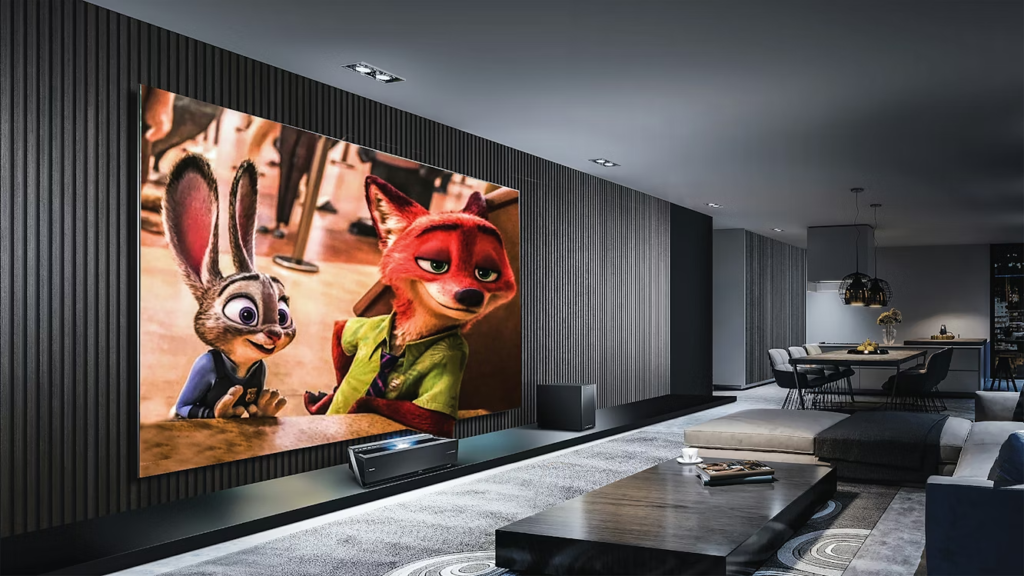
The second aspect of the 2D versus 3D animation career debate shows 3D animation as its second aspect. The modern film industry and video game development and visual effects production rely on this animation technique because it enables them to build authentic-looking characters together with natural-looking environments.
Definition of 3D Animation:
- The process of 3D animation creates moving characters and objects inside three-dimensional spaces.
- The animation technique creates visual elements that exist in three dimensions of hpart,ht and width and depth for improved realistic appearance.
- The animation profession shows 3D animation as its technical and software-based part which operates through software tools.
3D Animation Applications:
- Animated movies and blockbuster films
- Video games and gaming characters
- Movies use visual effects (VFX) to create their special effects
- Product advertisements and digital media
- The need for specialists in 2D and 3D animation work continues to rise because of these particular business sectors.
3D Characters and Environments:
- 3D animation artists create digital character and object models.
- The models enable users to perform character animations through rotational and movement capabilities and multiple perspective views.
- The 2D vs. 3D animation career path in 3D becomes both thrilling and artistic because animators create authentic-looking 3D environments.
Common Software Used in 3D Animation:
- Blender
- Autodesk Maya
- Cinema 4D
- 3ds Max
- Animators use these tools to construct 3D models, which they texture and animate in realistic movements.
Skills Required for 3D Animation:
- Knowledge of animation software
- Complete understanding of modeling and rigging and rendering processes
- Creative visual storytelling abilities
- Basic technical and computer skills
The 3D animation path attracts technology-oriented students who want to work with advanced software to create interactive and realistic visual content while researching their 2D versus 3D animation profession.
Skills Required for 2D vs 3D Animation Career
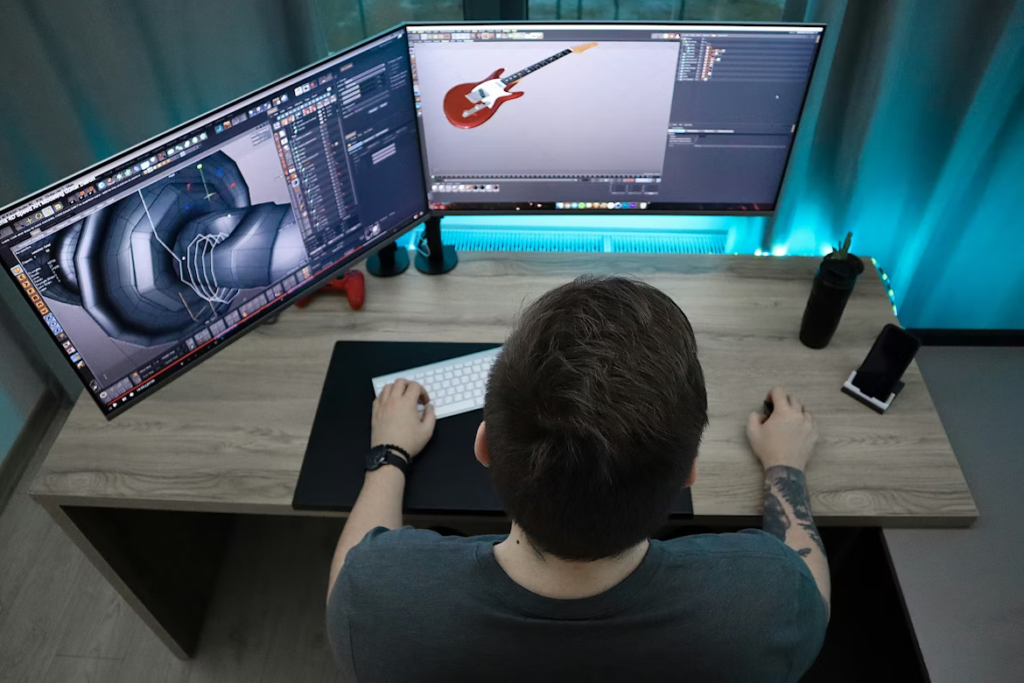
Your 2D animation career path requires you to select between two different fields which both require artistic abilities and persistent dedication but need different skill sets. Students who learn about these skills will understand which animation career path suits their 2D versus 3D animation career path.
1. Skills for 2D Animation
Drawing Skills
- The 2D animation career path requires strong drawing and sketching abilities as essential skills for its professional artists.
- Animators create characters through their ability to design character movements and facial expressions using visual illustrations.
Storyboarding
- The storyboard process establishes scene organization, which develops into complete animated content production.
- The system enables animators to structure their narrative progression while they create visual representations of their animated scenes.
Creativity
- Creativity stands as the most vital ability for people who want to work in either 2D or 3D animation fields.
- 2D animators create unique characters who exist within their original world environments, which allow them to create visual stories through their work.
2. Skills for 3D Animation
Technical Skills
- 3D animation work in the 2D vs. 3D animation career path demands higher technical skills from its workers.
- Animators must know how to work with digital tools and understand animation processes.
Modeling and Rigging
- Modeling stands for the artistic process through which 3D artists use software to make digital characters and objects.
- Rigging introduces a digital skeleton system that enables the character to perform natural movements.
Software Knowledge
- Animation professionals who pursue 3D animation work need to master three software programs, which include Blender and Maya and Cinema 4D.
- Animators use these tools to create virtual environments while they animate characters and generate authentic visual effects.
The difference in skill sets clearly influences the 2D vs 3D animation career choice. Students who enjoy drawing and storytelling may prefer 2D animation, while those interested in technology and digital tools may choose the 3D side of the 2D vs 3D animation career path.
Key Differences Between 2D and 3D Animation
Understanding the differences makes the 2D vs. 3D animation career decision easier. Both animation styles have unique features, tools, and learning processes. By comparing them, students can better understand which 2D vs. 3D animation career path suits their interests, creativity, and technical abilities.
| Factor | 2D Animation | 3D Animation |
| Visual Style | Flat visuals with height and width, similar to drawings and cartoons. | Realistic visuals with depth, making characters and environments look lifelike. |
| Complexity | Simpler process focused mainly on drawing and frame creation. | More complex because it involves modeling, rigging, and rendering. |
| Tools Used | Adobe Animate, Toon Boom Harmony, OpenToonz. | Blender, Autodesk Maya, Cinema 4D, 3ds Max. |
| Production Time | It can take time due to frame-by-frame drawing. | May take longer due to multiple technical stages. |
| Learning Curve | Easier for students who enjoy drawing and illustration. | Requires stronger technical and software skills. |
These differences strongly influence the 2D vs. 3D animation career choice. Students interested in drawing often prefer 2D animation, while those who enjoy technology and digital tools may choose the 3D side of the 2D vs. 3D animation career path.
Career Opportunities in Animation
Another important factor in the 2D vs. 3D animation career choice is job opportunities. The animation industry offers many creative roles in films, games, advertising, and digital media. Understanding these career options helps students choose the right 2D vs. 3D animation career path.
1. 2D Animator
- A 2D animator uses traditional drawing techniques and digital illustration methods to produce animated visual sequences that include character movement and background environments.
- The job functions better for people who prefer to draw and tell stories through animation than for those who prefer 2D animation work and 3D animation work.
2. Storyboard Artist
- A storyboard artist creates visual scenes through sketching, which shows the planned sequence of an animation before actual production work begins.
- The role helps develop stories and their visual elements through sequencing, which makes it essential for 2D and 3D animation careers.
3. Character Designer
- A character designer develops animated characters through their visual design work, which establishes the character’s appearance and style and character personality.
- The role of character designer in 2D and 3D animation works best for artists who want to create original character designs.
4. 3D Animator
- A 3D animator uses advanced software tools to produce lifelike character animations, which include realistic body movements.
- The 2D animation field and 3D animation field both use this position to create content for movies and advertisements and digital content production.
5. Game Animator
- A game animator creates character animations that show how characters will move and perform tasks throughout video games.
- The 2D animation field and 3D animation field experience rapid job growth because the gaming industry continues to expand.
6. VFX Artist
- A VFX artist develops visual effects, which include explosive scenes, magical effects, and authentic movie environments.
- VFX artists work as essential team members during present-day film production work for the 2D animation field and 3D animation field.
7. 3D Modeler
- A 3D modeler uses 3D software to create digital representations of objects and characters and virtual environments.
- The 2D animation field and 3D animation field use this position to build models, which become essential elements for animation and video game development.
Future of Animation Industry
The future of the 2D vs. 3D animation career field looks very promising. As technology and digital content continue to grow, the demand for skilled animators is increasing across many industries.
- Growth in Gaming Industry: The gaming industry is experiencing rapid growth, which creates a need for professionals with expertise in 2D and 3D animation. Game developers require animators to produce all character designs and environmental elements and visual effects that will appear in interactive games.
- Streaming Platforms: Streaming platforms are making significant financial commitments to develop animated television shows and movies. The entertainment and digital media industry now provides additional employment opportunities for professionals who want to pursue a 2D versus 3D animation career.
- Advertising and Digital Content: Animated videos have become a common advertising tool that companies now use in their marketing efforts and social media content. The current demand for 2D and 3D animation career professionals has increased because of this trend.
- Global Demand for Animators: Animation exists throughout the world as a visual medium which appears in movies, video games, educational materials and digital content. The 2D versus 3D animation career industry maintains strong job prospects because of its ability to reach audiences worldwide.
Common Mistakes to Avoid When Choosing Animation Career
Students often make mistakes when deciding between a 2D vs. 3D animation career. Understanding these common mistakes can help students make a better and more informed decision.
- Choosing Without Understanding Skills: Many students choose a 2D vs. 3D animation career without understanding the skills required for each field. You need to identify your strengths between drawing and creative work and technical software work.
- Ignoring Software Learning: Animation requires strong knowledge of tools and software used in the industry. The absence of software training will create obstacles for people who want to become successful in 2D and 3D animation careers.
- Not Building a Portfolio: A portfolio is one of the most important things for anyone entering the animation industry. Without a strong portfolio, getting opportunities in a 2D vs. 3D animation career can become challenging.
- Following Trends Blindly: Some students choose animation just because it is popular or trending. A successful 2D vs. 3D animation career requires genuine interest and passion for animation.
- Not Practicing Regularly: Animation skill development requires continuous practice and learning discovery. Students who do not practice consistently may struggle to grow in a 2D vs. 3D animation career.
Conclusion
Students must examine their personal interests and their developed skills plus their future objectives to select between 2D animation and 3D animation as their professional path. The two fields share a creative nature, which provides pathways to work in film production and video game development and advertising and digital media creation. 2D animation uses drawing techniques to create stories and show artistic work, but 3D animation needs advanced software and technical expertise to generate realistic visual outputs. The process of selecting a suitable career path between 2D and 3D animation requires people to understand the differences between these two animation styles.
Students who enjoy sketching, character design, and traditional animation styles may find 2D animation more suitable. 3D animation career fields appeal to people who enjoy using digital tools together with technical systems to produce lifelike visual content. Both options provide strong career growth if learners continue to practice, build their portfolio, and improve their skills.
Animated content has become essential for entertainment and marketing and education purposes, which drives rapid growth in the animation industry. The industry growth creates multiple career opportunities for 2D and 3D animation professionals who want to work in various design fields across different countries. Students use platforms like Careergrowkaro to learn about current industry developments while they search for the optimal 2D and 3D animation career path, which will shape their professional future.
Frequently Asked Questions
1. What is the main difference between 2D and 3D animation?
The main difference in a 2D vs. 3D animation career is the visual style and technology used. 2D animation uses flat drawings, while 3D animation creates characters and environments with depth and realistic movement.
2. Which is easier to learn, 2D or 3D animation?
In the 2D vs. 3D animation career comparison, 2D animation is often easier for beginners who enjoy drawing. 3D animation may require more technical knowledge and software skills.
3. Is 3D animation a good career option?
Yes, the 2D vs. 3D animation career field offers strong opportunities, especially in 3D animation. The gaming, film, and VFX industries create a high demand for skilled 3D animators.
4. Do I need drawing skills for a 2D vs. 3D animation career?
Drawing skills are very important for 2D animation because characters are often created through illustrations. In the 2D vs. 3D animation career path focused on 3D, technical and software skills are more important than drawing.