
The best Credit Card Tips India is simple: spend only what you can repay, always pay your full bill before the due date, and use your card only for planned expenses. Choose a card with benefits you actually use (like cashback on groceries or fuel). Avoid minimum payment traps; they charge up to 36–42% yearly interest in India. Start small and stay disciplined, and your credit card becomes a tool, not a debt.
Many students and young earners in Tier 2/3 cities get their first credit card without fully understanding how it works. At first, it feels like easy money, but one wrong move, like missing a payment or spending too much, can quickly lead to debt. That’s why learning the right credit card tips in India is not optional; it’s essential for your financial safety.
Most beginners fall into common traps like paying only the minimum due, ignoring billing cycles, or using credit cards for impulse shopping. These small mistakes slowly turn into big financial problems. By following smart credit card tips in India, you can avoid high interest charges, control your spending, and even earn rewards on your regular expenses.
At CareerGrowKaro, we focus on making money management simple and practical for students and young earners. With the right credit card tips in India, you can turn your credit card into a powerful financial tool instead of a burden. In this guide, you’ll learn how to use your credit card wisely, avoid costly mistakes, and build a strong financial future step by step.
What is a credit card & how does it work?
What
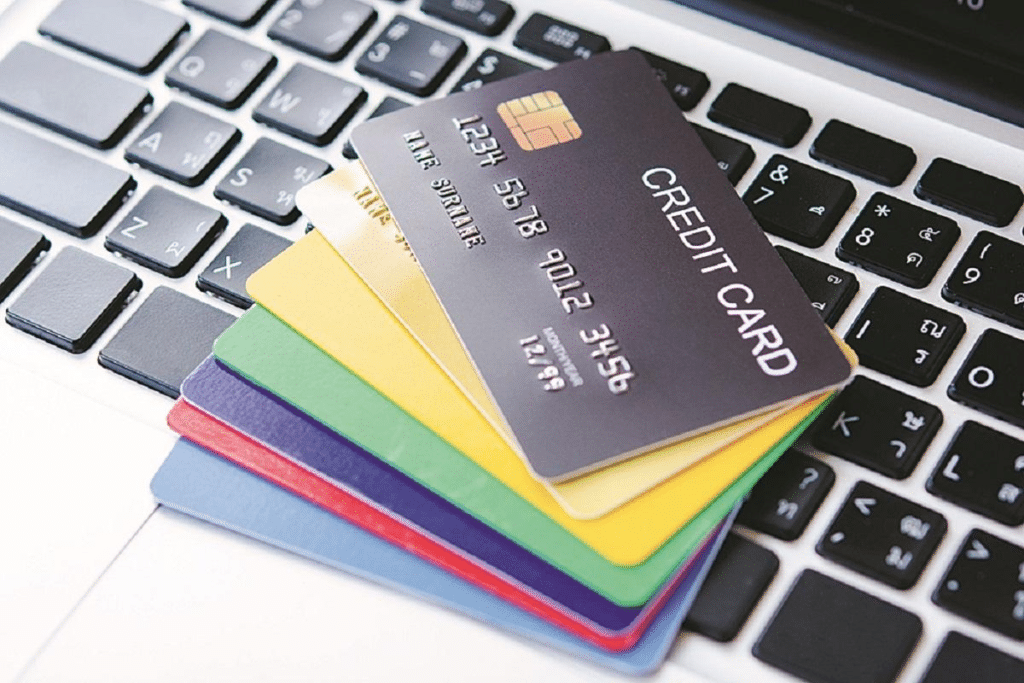
A credit card is a financial tool that allows you to borrow money from a bank to pay now and repay later. In India, most credit cards give you an interest-free period of 45–50 days, which means if you pay your bill on time, you don’t pay any extra charges. Understanding this basic concept is one of the most important Credit Card Tips India because it helps you avoid unnecessary debt from the beginning.
Why
A credit card is not just for spending; it’s a tool to build your financial future. When used correctly, it can:
- Help you build a strong credit score (CIBIL score)
- Give you rewards, cashback, and discounts
- Make online and emergency payments easier
But without following proper credit card tips in India, the same card can lead to high-interest debt and financial stress. That’s why knowing both benefits and risks is important.
How
Here’s how a credit card works step by step in simple terms:
- Credit Limit: Bank gives you a fixed limit (e.g., ₹50,000)
- Spending: You can spend within this limit anytime
- Billing Cycle: Usually 30 days where your expenses are recorded
- Statement Generation: Bank sends your total bill at the end of the cycle.
- Due Date: You get ~15–20 days to repay the amount
If you follow the right credit card tips in India, especially paying the full amount before the due date, you pay zero interest.
Example
Ravi from Indore has a credit card with a ₹30,000 limit. He spends ₹5,000 on groceries and fuel during the month. When his bill arrives, he pays the full ₹5,000 before the due date.
Result:
- No interest charged
- Earns reward points
- Improves credit score
This is exactly how smart users apply credit card tips in India in real life.
Action Steps
- Understand your billing cycle and due date
- Always pay the full amount, not minimum due
- Keep spending within your limit
Next Step: Open your credit card app or statement today and check your billing cycle, due date, and total outstanding amount. This is the first step to following smart credit card tips in India.
Why Do Most People Lose Money on Credit Cards?
1. Minimum Payment Trap
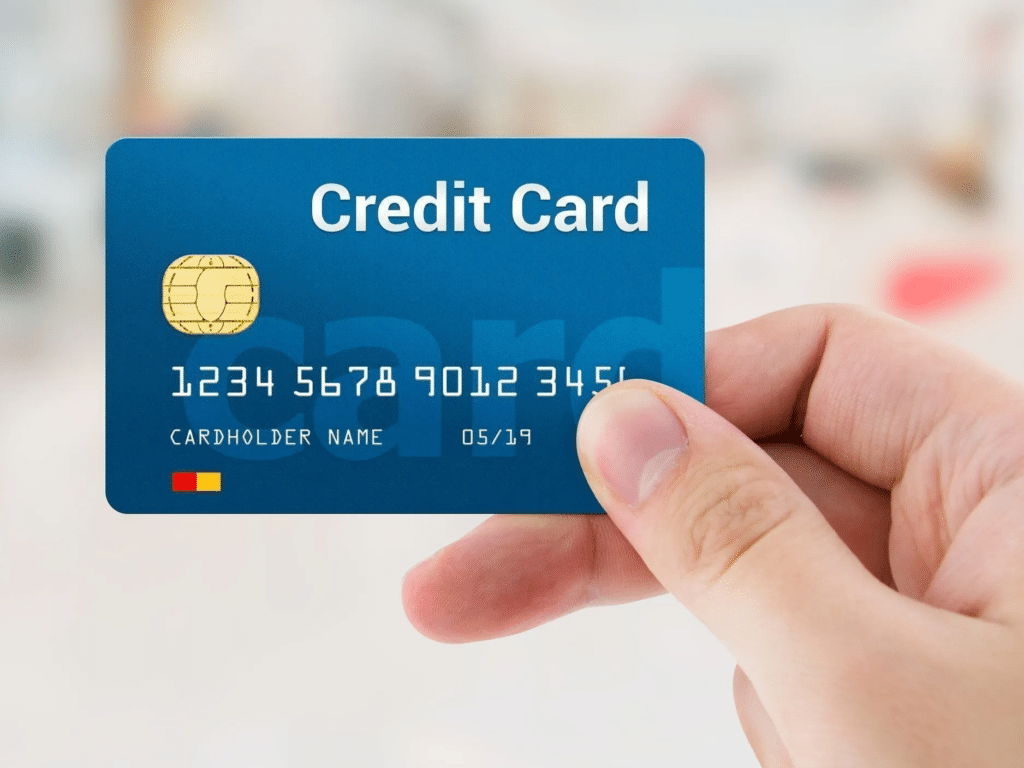
Many users think paying the “minimum due” is enough, but it’s the biggest mistake. Banks charge interest on the remaining amount, which keeps increasing every month. One of the most important Credit Card Tips India is to always pay the full bill, not the minimum, to avoid falling into long-term debt.
2. Missing Due Dates
Late payments attract heavy penalties and interest charges. Even a single missed payment can reduce your credit score. According to basic Credit Card Tips India, setting auto-debit or reminders ensures you never miss your due date and helps you avoid unnecessary financial losses.
3. Overspending Without Planning
Credit cards make spending feel easy, so many people buy things they don’t actually need. This leads to bills higher than their repayment capacity. Smart Credit Card Tips India suggests treating your credit card like cash; only spend what you already have in your bank account.
4. Ignoring the Billing Cycle
Many users don’t understand their billing cycle and spend randomly. This leads to confusion and sometimes higher bills than expected. Following Credit Card Tips India, you should track your cycle dates so you can plan spending better and maximize your interest-free period.
5. High Interest Rates
Credit cards in India charge around 3–3.5% monthly interest, which becomes nearly 40% yearly. If you carry forward your balance, your debt grows very fast. One of the key Credit Card Tips India is to avoid rolling over balances and always clear dues on time.
6. Using Credit for Non-Essentials
Spending on luxury items, sales, or impulsive shopping leads to unnecessary debt. Many users swipe their cards for things they don’t actually need. Practical Credit Card Tips India recommends using your card only for essentials like groceries, bills, or fuel to stay financially safe.
Action Steps
- Never pay minimum due
- Set auto-payment
- Track spending weekly
Next Step: Turn on auto-debit for your credit card bill right now and start following smart Credit Card Tips India.
How to Use a Credit Card Smartly in India?
Smart usage of a credit card is a way that avoids interest, controls spending, and earns benefits. It’s not about avoiding credit cards; it’s about using them correctly. Following the right Credit Card Tips India helps you stay debt-free while building a strong financial base.
1. Spend Only on Essentials
The first rule of smart usage is to limit your credit card spending to essential expenses like groceries, fuel, bills, or education-related costs. Many people misuse cards for shopping, food delivery, or sales, which leads to unnecessary debt. One of the most practical Credit Card Tips India is to treat your credit card like cash; only spend what you already have in your bank account. This habit ensures that you can easily repay your bill in full. It also prevents emotional or impulse spending, which is the biggest reason people lose money on credit cards.
2. Keep Usage Below 30% of the limit
Your credit utilization ratio plays a big role in your financial health. Experts recommend using less than 30% of your total credit limit. For example, if your limit is ₹50,000, try to spend only up to ₹15,000. This is one of the most important Credit Card Tips India because it improves your credit score and shows lenders that you are a responsible user. High usage signals risk and can lower your score. Keeping low utilization also ensures that your bill remains manageable and easy to repay without stress.
3. Pay Full Bill Before Due Date
Paying the full amount before the due date is the golden rule of all Credit Card Tips India. If you pay the complete bill, you enjoy the interest-free period and avoid extra charges. But if you pay only the minimum due, interest starts adding up quickly, sometimes up to 40% yearly. This can turn a small bill into a big burden within months. Always aim to clear your entire outstanding amount, even if it means reducing your spending for that month. Setting auto-debit or reminders can help you stay consistent.
4. Use Reward Categories Wisely
Credit cards offer cashback and rewards, but only if used strategically. Different cards give benefits in specific categories like fuel, groceries, travel, or online shopping. One of the smartest Credit Card Tips India is to match your spending with your card’s reward categories. For example, if your card offers 5% cashback on groceries, use it mainly for that purpose. This way, you earn real savings instead of random points. Avoid chasing rewards by overspending; only use rewards on purchases you were already planning to make.
Example
Aman from Lucknow uses his credit card only for fuel and groceries. He keeps his spending under 30% of his limit and pays the full bill every month. As a result, he earns cashback regularly without paying any interest; this is a perfect example of following Credit Card Tips India correctly.
Action Steps:
- Fix a monthly card budget
- Track spending using apps
- Avoid impulse purchases
Next Step: Set a monthly credit card spending limit today (example: ₹3,000–₹5,000) and start following Smart Credit Card Tips India.
Credit Card vs. Debit Card (India): Which One Should You Use?
Many beginners get confused between a credit card and a debit card. Both look similar, but they work very differently. Understanding this difference is one of the most practical Credit Card Tips India because choosing the right card for the right situation can save you from debt and help you manage money better.
| Feature | Credit Card | Debit Card |
| Money Source | Borrowed from bank | Your own bank balance |
| Interest | Yes (if unpaid) | No interest |
| Rewards | Cashback, points, offers | Limited or none |
| Credit Score | Helps build | No impact |
| Risk | High if misused | Low risk |
Both cards are useful, but their purpose is different. A debit card helps you stay within your limits, while a credit card helps you grow financially if used correctly. Following this simple balance is one of the easiest Credit Card Tips India to stay safe and still enjoy benefits.
Next Step: Use a debit card for daily spending and a credit card only for planned expenses you can repay easily.
Which Credit Card Should Beginners Choose in India?
Not all credit cards are suitable for beginners. Many cards in India come with high annual fees, complex reward systems, or spending conditions that are hard to manage. For someone just starting, choosing the right card is crucial. One of the most important Credit Card Tips India is to begin with a simple, low-risk card that matches your lifestyle and spending habits.
1. Cashback Credit Cards (Simple & Useful)
Cashback cards are the best starting point because they give direct savings on your everyday spending like groceries, fuel, and online payments. Instead of confusing reward points, you get actual money back. One of the most recommended Credit Card Tips India is to choose a cashback card that matches your regular expenses. For example, if you spend ₹5,000 monthly on essentials, even 2–5% cashback can save you ₹100–₹250 easily. These cards are simple to understand and perfect for beginners.
2. No Annual Fee Credit Cards
Many beginners don’t realize that some credit cards charge yearly fees even if you don’t use them much. That’s why one of the safest Credit Card Tips India is to start with a lifetime free or no annual fee card. This reduces your risk and ensures you don’t lose money just for owning the card. It also allows you to learn how credit cards work without financial pressure. Once you become confident, you can later upgrade to better cards.
3. Student-Friendly or Secured Cards
If you are a student or don’t have a regular income, banks may not easily approve a standard credit card. In this case, secured cards (against FD) or student-friendly cards are a great option. According to practical Credit Card Tips India, these cards help you build your credit history safely. You deposit a fixed amount (like ₹10,000), and your credit limit is based on that. This reduces risk and helps you develop good financial habits early.
Example: Priya from Bhopal, a college student, chose a no-annual-fee cashback credit card. She uses it only for groceries and mobile recharge. Every month, she earns ₹200–₹300 cashback without paying any extra charges. By following basic Credit Card Tips India, she is saving money while also building her credit score step by step.
Action Steps:
- Avoid premium or high-fee cards in the beginning
- Compare 2–3 beginner-friendly cards before applying
- Read all charges like annual fee, late fee, and interest rate
Next Step: Shortlist 2 beginner-friendly credit cards today and compare their fees, benefits, and rewards before applying.
Real Indian Example
Sneha, a second-year student from Kanpur, got her first credit card with a ₹20,000 limit. Initially, she used it for online shopping and only paid the minimum due. Within 3 months, her bill increased to ₹28,000 due to interest and late fees.
After learning smart Credit Card Tips India from CareerGrowKaro, she changed her habits. She started using her card only for groceries and mobile recharge, set auto-payment, and paid the full amount every month.
Within 6 months:
- Her debt cleared
- She started earning ₹200–₹400 cashback monthly
- Her credit score improved
Today, she uses her card as a financial tool, not a burden.
Next Step: Identify one bad habit in your credit usage and fix it this month.
Magic Box (CTA)
Problem: You don’t know how to control spending and avoid credit card debt
Solution: CareerGrowKaro Budget + Credit Tracker Guide helps you plan expenses, track bills, and avoid interest
CTA: Start using a simple tracking system today; your future self will thank you.
FAQs
1. Is it safe to use a credit card in India?
Yes, it is safe if used carefully. Always keep your PIN secure, enable transaction alerts, and avoid sharing card details. Use trusted apps/websites only. Also, monitor your statements regularly to catch any unusual activity.
2. What happens if I don’t pay my credit card bill?
If you don’t pay, banks charge heavy interest (up to 40% yearly) and late fees. Your credit score also drops. Over time, this can make loans difficult. Always pay at least the full amount before the due date to avoid this.
3. How many credit cards should a beginner have?
Start with one credit card. Managing multiple cards early can lead to overspending and confusion. Once you gain control and discipline, you can consider adding another card based on your needs.
4. Can students in India get a credit card?
Yes, students can get credit cards, especially if they have a part-time income or apply for secured cards (against FD). Many banks offer beginner-friendly options with lower limits and simple benefits.
Conclusion
Using a credit card is not dangerous; misusing it is. The right Credit Card Tips India is simple but powerful: spend only what you can repay, always pay your full bill on time, and stay disciplined with your usage. When you follow these habits, your credit card becomes a tool that helps you earn rewards, build a strong credit score, and manage your money more efficiently instead of creating stress or debt.
Many beginners ignore basic Credit Card Tips India and fall into traps like minimum payments or overspending. But with a little awareness and control, you can completely avoid these mistakes. Remember, your goal is not to spend more; it’s to use credit smartly and safely.
At CareerGrowKaro, we focus on making financial knowledge simple and practical so every student and young earner can take control of their money. By applying these Credit Card Tips India, you’re not just avoiding mistakes; you’re building a strong financial future step by step.
Start today: track your expenses, set a clear spending limit, and use your credit card like a smartearner,r not a spender.