
“SEO for Beginners” means learning how to improve a website so it appears higher on Google search results. By using the right keywords, creating useful content, improving website speed, and building trust through backlinks, beginners can increase website traffic without spending money on ads. Even students, freelancers, and small business owners from Tier 2 and Tier 3 cities can start learning SEO and build a career or earn income online.
If you have ever searched something on Google and clicked one of the first results, you have already experienced SEO in action. SEO for Beginners is the process of helping websites rank higher on search engines so more people can discover their content, products, or services. Whether you are a student, freelancer, blogger, or small business owner, understanding SEO can help you build a strong online presence without spending money on advertisements.
Many students and job seekers want to learn digital skills but often feel overwhelmed by technical terms and complex strategies. That is why SEO for Beginners focuses on simple concepts that are easy to understand and apply. From finding the right keywords to creating helpful content and improving website performance, even complete beginners can start seeing results with consistent effort.
This guide by CareerGrowKaro breaks down SEO for beginners into practical, step-by-step lessons designed for Indian learners. By the end, you will understand the fundamentals, avoid common mistakes, and confidently start your journey with SEO for Beginners to build skills, grow traffic, and explore career opportunities.
What is SEO for Beginners?

“SEO for Beginners” refers to the practice of improving a website so that it appears higher in search engine results when people search for relevant topics. SEO stands for Search Engine Optimization, and it helps search engines like Google understand your content and show it to the right audience. Whether you run a blog, an online store, or a business website, SEO can help increase visibility and attract visitors without paying for advertisements.
What Are the Main Parts of SEO?
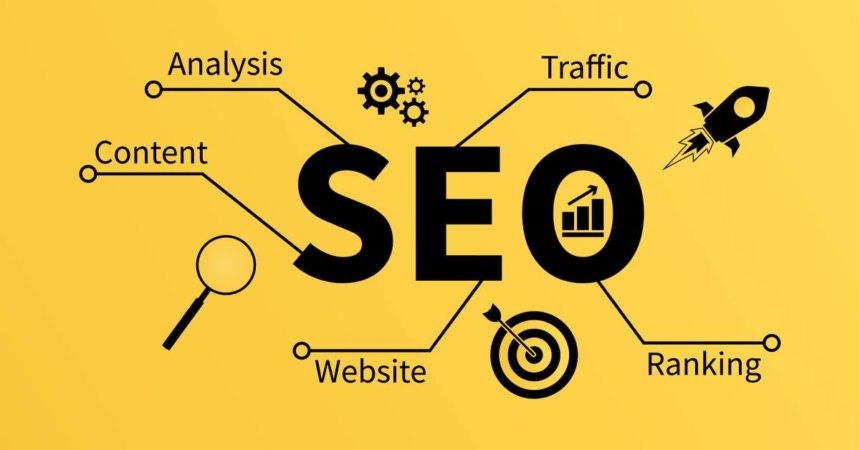
To understand SEO for beginners, it is important to know the key areas of SEO:
- Keyword Research: Finding the words and phrases people search for on Google.
- On-Page SEO: Optimizing titles, headings, content, images, and URLs.
- Technical SEO: Improving website speed, mobile-friendliness, and overall performance.
- Off-Page SEO: Building backlinks and improving website authority.
- User Experience (UX): Ensuring visitors can easily navigate and interact with your website.
Each of these areas works together to improve your rankings and make your website more useful for users.
Next Step: Now that you understand the basics of SEO for beginners, the next step is to learn how search engines crawl, index, and rank webpages. This foundation will help you understand why certain SEO strategies work and how to use them effectively.
How Do Search Engines Like Google Work?

To understand SEO for beginners, you first need to know how search engines work. Every time someone searches for information, Google scans billions of webpages and shows the most relevant results within seconds. Understanding this process is an important part of SEO for beginners because it helps you create content that search engines can easily find, understand, and rank.
Step 1: Crawling – Google Discovers Your Content
The first step is called crawling. Google uses automated programs known as Googlebots or crawlers to discover webpages across the internet.
How It Works:
- Googlebot visits websites through links and sitemaps.
- It scans page content, images, videos, and other elements.
- New and updated pages are added to Google’s list for processing.
Example: If you publish a blog titled “CAT Preparation Tips for Beginners,” Googlebot may discover it through your website’s internal links.
Why It Matters: If Google cannot crawl your webpage, it cannot appear in search results.
Step 2: Indexing – Google Stores the Information
Once a page is crawled, Google analyzes and stores it in a huge database called the Google Index.
How It Works:
- Google reads the page content.
- It identifies important topics, keywords, headings, and images.
- The page is categorized and stored for future searches.
Example: A blog about CAT preparation may be indexed under education, MBA entrance exams, and study tips.
Why It Matters: A page must be indexed before it can rank on Google. This is one of the most important concepts in SEO for beginners.
Step 3: Ranking – Google Displays the Best Results
After indexing, Google decides where a webpage should appear when someone performs a search.
Google evaluates factors such as the following:
- Content quality
- Keyword relevance
- Website authority
- User experience
- Mobile-friendliness
- Page loading speed
Example: When a student searches for “CAT Preparation Tips,” Google ranks the pages that provide the most useful and trustworthy information higher than others.
Why It Matters: Higher rankings usually mean more visitors, leads, and opportunities for your website.
Next Step: Now that you understand how search engines discover, store, and rank content, the next step in SEO for beginners is learning keyword research. Keywords help connect your content with the people who are actively searching for information online.
Types of SEO Every Beginner Should Know

To succeed in SEO for Beginners, it is important to understand the different types of SEO. Each type focuses on a specific area of website optimization and works together to improve rankings, traffic, and user experience. Learning these categories will help you build a strong foundation in SEO for beginners and create an effective SEO strategy.
1. On-Page SEO
On-page SEO involves optimizing elements directly on your website so that search engines can better understand your content. It focuses on making webpages relevant to specific keywords and improving the user experience.
Key Activities:
- Optimizing titles and meta descriptions
- Using keywords naturally in content
- Creating proper heading structures
- Adding internal links
Example: If you write a blog about “CAT Preparation Tips,” including the target keyword in the title, headings, and content is part of on-page SEO.
2. Off-Page SEO
“Off-page SEO” refers to activities performed outside your website to improve its authority and credibility. Search engines view backlinks from trusted websites as recommendations, which can help improve rankings.
Key Activities:
- Building quality backlinks
- Guest posting
- Social media promotion
- Brand mentions
Example: If an educational website links to your CAT preparation guide, Google may consider your content more trustworthy.
3. Technical SEO
Technical SEO focuses on improving the technical aspects of a website so search engines can crawl and index it efficiently. It ensures your website performs well and provides a smooth user experience.
Key Activities:
- Improving page speed
- Making the site mobile-friendly
- Creating XML sitemaps
- Fixing broken links
Example: A website that loads in 2 seconds is more likely to rank higher than one that takes 8 seconds to load.
4. Local SEO
Local SEO helps businesses appear in location-based search results. This type of SEO is especially useful for shops, coaching centers, clinics, and local service providers.
Key Activities:
- Optimizing Google Business Profile
- Collecting customer reviews
- Using location-specific keywords
- Adding business contact details
Example: A coaching institute targeting “Best CAT Coaching in Jaipur” can attract nearby students through local SEO.
5. E-Commerce SEO
E-Commerce SEO focuses on optimizing online stores and product pages to increase visibility in search results. It helps potential customers discover products when searching online.
Key Activities:
- Optimizing product titles
- Writing unique product descriptions
- Using product schema
- Improving category pages
Example: An online store selling laptops can optimize for keywords like “Best Student Laptop Under ₹40,000.”
Understanding these SEO categories is a crucial step in SEO for beginners. While each type has a different purpose, they work together to improve search rankings and website performance. As you continue learning SEO for Beginners, focus on mastering one type at a time and applying it to real projects. This practical approach will help you gain confidence and build strong SEO skills faster.
SEO vs Paid Ads: Which is Better for Beginners?
When businesses want to increase website traffic and attract customers online, they usually choose between SEO (Search Engine Optimization) and paid ads. Both methods can help generate visitors, but they work in very different ways. For anyone learning SEO for beginners, understanding this difference is important because it helps you decide where to invest your time, effort, and budget.
| Factor | SEO | Paid Ads |
| Cost | Low initial investment | High and ongoing costs |
| Long-Term Results | Yes | No |
| Traffic Duration | Long-lasting | Stops when budget ends |
| Learning Curve | Medium | Easy to start |
| Trust Level | High | Moderate |
Both SEO and paid ads have their advantages, but for most beginners, SEO offers a stronger long-term foundation. It helps you understand how search engines work, attract visitors naturally, and build online authority without recurring advertising costs. While paid ads can deliver quick traffic, SEO continues generating results long after the work is completed.
Next Step: Start applying SEO concepts to a real project, such as a blog, portfolio website, or business page. Practical experience will help you understand SEO faster and prepare you for advanced digital marketing strategies.
How Can Beginners Create SEO-Friendly Content?
Creating SEO-friendly content is one of the most important skills in SEO for beginners. Good content helps users find answers to their questions while helping search engines understand your webpage. Google prioritizes content that is useful, relevant, and easy to read. Follow these steps to create content that ranks well and provides value to readers.
1. Understand Search Intent
Search intent refers to the reason behind a user’s search query. Before writing, understand what information the user is looking for. Are they seeking knowledge, comparing options, or planning a purchase? Understanding intent is a key part of SEO for beginners because it helps you create content that matches user expectations and improves ranking opportunities.
Example: A person searching “How to become an SEO executive” wants career guidance and skill requirements, not a technical explanation of search engine algorithms.
2. Research Competitors
Analyze the top-ranking articles for your target keyword to understand what Google considers valuable. Look at their content structure, headings, examples, and depth. This doesn’t mean copying content but identifying gaps you can fill. In SEO for Beginners, competitor research helps you create content that is more useful and comprehensive than existing results.
Example: If competing articles don’t discuss SEO careers in India, you can add that information to make your content more valuable.
3. Create Helpful Content
Focus on solving the reader’s problem rather than simply targeting keywords. Write clear explanations, practical tips, and actionable advice. Google rewards content that genuinely helps users. One of the most important lessons in SEO for beginners is that useful content performs better than content written only for search engines.
Example: Instead of defining SEO, explain how a student can start learning SEO and apply it in real projects.
4. Use Headings and Bullet Points
Organize content using headings, subheadings, lists, and short paragraphs. Structured content is easier for both readers and search engines to understand. Proper formatting improves readability and keeps visitors engaged. This simple practice is often overlooked in SEO for beginners, yet it can significantly improve user experience.
Example: Use H2 headings for main sections and bullet points to summarize key ideas.
5. Add Examples
Real-world examples make content easier to understand and more relatable. Examples help readers connect theory with practical application, especially when learning new concepts. In SEO for Beginners, using examples can improve engagement and make complex topics easier to grasp.
Example: Instead of explaining keyword research theoretically, show how a coaching institute in Jaipur targets keywords to attract students.
6. Update Content Regularly
SEO is constantly evolving, and outdated information can reduce your rankings. Review your content periodically to add new data, update statistics, and improve accuracy. Fresh content signals relevance to search engines and provides a better experience for readers.
Example: Update an SEO guide every year to include Google’s latest ranking factors and best practices.
Next Step: Once you learn how to create quality content, the next step in SEO for beginners is understanding technical SEO and improving your website’s performance.
Real Indian Example: How a Student from Jaipur Learned SEO
Rohit, a B.Com student from Jaipur, wanted to learn a skill that could help him earn online without spending a lot of money. While exploring digital marketing careers, he came across SEO and decided to start learning through free YouTube tutorials, blogs, and online resources. Instead of only watching videos, he applied what he learned by creating a simple WordPress blog focused on local travel destinations in Rajasthan.
Over the next six months, Rohit consistently practiced keyword research, content writing, on-page SEO, and backlink building. He published helpful articles about places to visit in Jaipur, Udaipur, and Jodhpur. As his content improved, his website started appearing in Google search results and receiving organic traffic.
The practical experience he gained helped him build a portfolio, which later helped him secure an SEO internship with a digital marketing agency. Today, he continues to improve his skills while earning alongside his studies. His journey proves that students from Tier 2 and Tier 3 cities can build a successful SEO career through consistent learning and practice.
Magic Box
Problem:
Most beginners keep learning SEO theory but never practice.
CareerGrowKaro Solution:
Use CareerGrowKaro’s SEO learning resources, career guides, internship tips, and skill-building content to learn SEO step by step.
CTA:
Choose one keyword today, write one blog post, and optimize it using the techniques shared in this guide.
FAQs
Is SEO difficult for beginners?
No. SEO can be learned step by step. Beginners should focus on keyword research, content writing, and basic website optimization before learning advanced techniques.
How long does SEO take to show results?
Most websites start seeing noticeable results within 3–6 months. The timeline depends on competition, content quality, and consistency.
Can I learn SEO for free?
Yes. Many free resources, blogs, YouTube channels, and Google documentation can help you learn SEO without spending money initially.
Does SEO require coding?
No. Basic SEO does not require coding knowledge. However, understanding simple HTML can be helpful for technical SEO tasks.
Conclusion
SEO for Beginners is one of the most valuable digital skills you can learn if you want to grow online, build a career in digital marketing, or increase website traffic without relying on paid advertisements. By understanding how search engines work, conducting keyword research, creating helpful content, optimizing webpages, and building quality backlinks, you can improve your visibility on Google and attract the right audience.
The best part about SEO for Beginners is that you do not need a large budget or advanced technical knowledge to get started. Whether you are a student looking for internships, a freelancer seeking clients, a job seeker exploring digital marketing careers, or a small business owner wanting more customers, SEO can create long-term opportunities for growth and income.
Remember, SEO is not about quick results. It is about consistency. Small improvements made regularly can lead to significant outcomes over time. CareerGrowKaro recommends starting with one blog, one target keyword, and one optimization task today. As you continue learning and practicing, SEO for Beginners can become a powerful skill that supports your career and professional growth for years to come.