


Interior design has emerged as one of the most sought-after creative career options in India, driven by rapid urbanization, evolving lifestyle preferences, and the growing demand for aesthetically appealing residential and commercial spaces. From luxury homes and corporate offices to retail stores and hospitality projects, skilled interior designers are playing a vital role in transforming spaces into functional and visually engaging environments. As the industry continues to expand, pursuing a professional education from reputed colleges for interior designing can provide students with the knowledge, technical skills, and industry exposure needed to succeed.
Choosing the right colleges for interior designing is an important step for aspiring designers. A well-established institution offers experienced faculty, modern design labs, industry-oriented curriculum, internship opportunities, and strong placement support that can significantly impact a student’s career growth. Before applying, students should evaluate factors such as course structure, accreditation, campus facilities, admission requirements, fees, and placement records.
At CareerGrowKaro, we understand that selecting among the many colleges for interior designing available in India can be challenging. This guide highlights some of the best colleges for interior designing in the country, helping students make informed decisions and choose a program that aligns with their career aspirations in the dynamic field of interior design.
Top 10 Colleges for Interior Designing in India
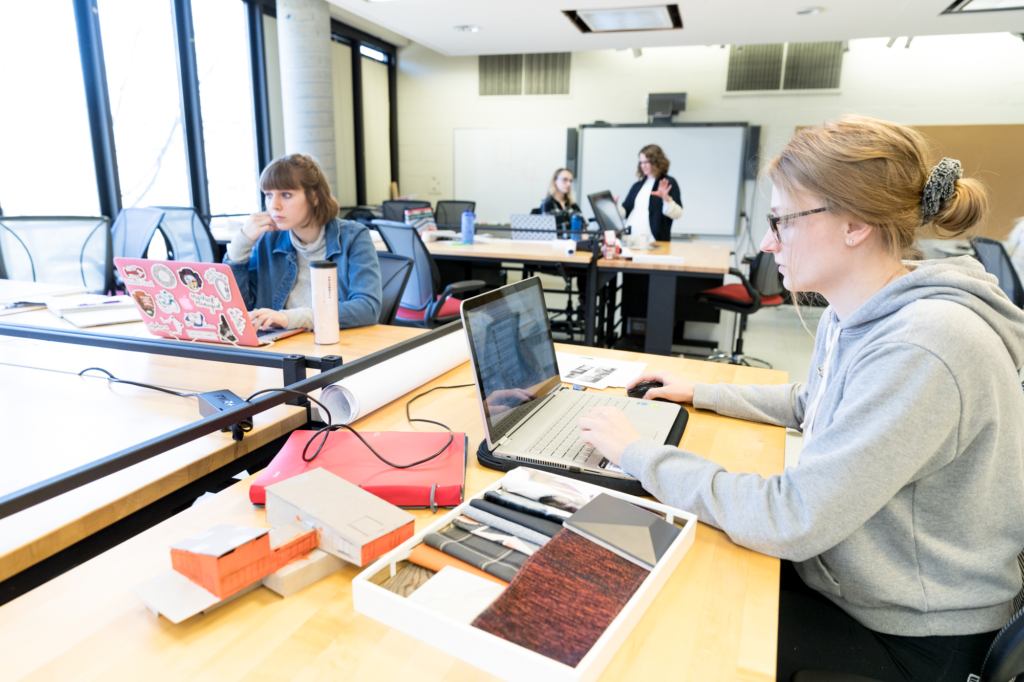
Choosing the right colleges for interior designing is one of the most important decisions for aspiring designers. The best institutions offer a blend of creativity, technical expertise, industry exposure, and placement support to help students build successful careers. Below are some of the top colleges for interior designing in India that are known for their quality education and industry-focused curriculum.
1. National Institute of Design (NID), Ahmedabad
The National Institute of Design (NID), Ahmedabad, is widely recognized as one of the most prestigious colleges for interior designing and design education in India. Established in 1961, NID is known for its innovative teaching methods, world-class faculty, and strong emphasis on design thinking.
Popular Design Programs
- Bachelor of Design (B.Des.)
- Master of Design (M.Des.)
- Programs related to furniture, exhibition, and spatial design
Admission Process
Admission is conducted through the National Institute of Design’s Design Aptitude Test (NID DAT), followed by further evaluation stages.
Key Highlights
- Institution of National Importance
- Industry-oriented curriculum
- Strong focus on innovation and practical learning
- Excellent networking and career opportunities
2. CEPT University, Ahmedabad
CEPT University is among the leading colleges for interior designing and architecture studies in India. The university offers a comprehensive design education that combines creativity, functionality, and technical expertise.
Interior Design Specialization
Students gain knowledge in spatial planning, furniture design, materials, lighting, and user-centric design solutions.
Industry Exposure
CEPT regularly organizes workshops, exhibitions, seminars, and live projects that connect students with industry professionals.
Placements
Graduates are recruited by leading architecture firms, design consultancies, and real estate organizations.
3. Pearl Academy
Pearl Academy is one of the most popular private colleges for interior designing in India, with campuses in Delhi, Mumbai, Jaipur, and Bengaluru. The academy is known for its industry-driven approach and modern learning environment.
Campuses and Programs
- Undergraduate and postgraduate interior design programs
- Specialized design workshops
- Multiple campus options across India
Industry Collaborations
Pearl Academy partners with renowned brands and design professionals to provide students with practical exposure and internship opportunities.
Admission Details
Admission is based on the institution’s entrance examination and personal interview process.
4. JD Institute of Fashion Technology
JD Institute of Fashion Technology has established itself among the preferred colleges for interior designing by offering career-oriented programs focused on creativity and practical learning.
Interior Design Courses
- Bachelor’s degree programs
- Diploma and advanced diploma courses
- Professional certification programs
Practical Learning Opportunities
Students participate in workshops, studio projects, site visits, and design competitions to enhance their practical skills.
Placement Support
The institute provides career counseling, portfolio development assistance, internships, and placement support.
5. ARCH College of Design and Business, Jaipur
ARCH College of Design and Business is known for combining creative education with entrepreneurial development. It is considered one of the emerging colleges for interior designing for students seeking both design and business knowledge.
Programs Offered
- Undergraduate interior design programs
- Diploma and certification courses
- Specialized design and business modules
Campus Facilities
Students have access to modern design studios, workshops, digital labs, and material libraries.
Career Opportunities
Graduates can explore careers in interior design firms, architecture companies, furniture design, and freelance consulting.
6. MIT Institute of Design, Pune
MIT Institute of Design (MIT ID) is a renowned design school that focuses on innovation, creativity, and multidisciplinary learning. It is frequently listed among the top colleges for interior designing in India.
Design-Focused Curriculum
The curriculum covers design theory, sustainability, spatial planning, technology integration, and project-based learning.
Internship Opportunities
Students gain hands-on experience through internships, industry collaborations, and live design projects.
Admission Requirements
Admissions typically involve entrance examinations, portfolio reviews, and personal interviews.
7. Lovely Professional University (LPU), Punjab
Lovely Professional University is one of India’s largest private universities and offers comprehensive programs in interior and furniture design. It has become a preferred choice among students exploring colleges for interior designing due to its modern infrastructure and industry connections.
Interior and Furniture Design Programs
Students learn interior planning, furniture design, sustainable practices, and design software applications.
Infrastructure
The university features advanced design labs, workshops, studios, libraries, and collaborative learning spaces.
Placement Records
LPU offers strong placement support through internships, recruitment drives, and industry partnerships.
8. Amity School of Design
Amity School of Design is recognized for providing quality design education with a strong emphasis on industry readiness and practical learning.
Course Structure
The curriculum includes interior planning, lighting design, furniture studies, material selection, and digital design tools.
Industry Partnerships
Amity collaborates with leading design firms and professionals to provide students with valuable industry exposure.
Student Projects
Students regularly participate in exhibitions, workshops, competitions, and collaborative design projects.
9. Chandigarh University
Chandigarh University has gained recognition for its career-focused academic programs and modern educational infrastructure. It is increasingly becoming one of the sought-after colleges for interior designing in North India.
Interior Design Specialization
Students are trained in space planning, color theory, lighting systems, furniture design, and digital visualization.
Facilities and Placements
The university provides access to advanced studios, laboratories, workshops, and dedicated placement support.
Industry Exposure
Industrial visits, guest lectures, internships, and live projects help students gain practical industry experience.
10. Vogue Institute of Art and Design, Bengaluru
Vogue Institute of Art and Design is among the leading design institutes in Bengaluru and offers specialized interior design programs tailored to industry requirements.
Interior Design Programs
The curriculum covers residential and commercial interiors, furniture design, materials, and project management.
Practical Training
Students benefit from studio-based learning, workshops, site visits, and real-world design projects.
Career Support
The institute provides internship opportunities, portfolio-building guidance, networking events, and placement assistance.
The institutions listed above represent some of the best colleges for interior designing in India. Whether you are looking for government institutions, private universities, or specialized design schools, these colleges for interior designing offer quality education, practical training, and valuable industry exposure to help students build rewarding careers in interior design.
Eligibility Criteria for Interior Design Courses
Students interested in pursuing a career in interior design must meet specific academic and admission requirements set by various colleges for interior designing in India. While eligibility criteria may vary slightly across institutions, most colleges follow similar guidelines for undergraduate and postgraduate admissions. Understanding these requirements can help students prepare effectively for the admission process and secure a seat in reputed colleges for interior designing.
1. Undergraduate Programs
For admission to undergraduate interior design courses, candidates must have completed their 10+2 education from a recognized board such as CBSE, ISC, or a state board. Most colleges for interior design accept students from all academic streams, including science, commerce, and arts.
Some institutions may also consider a candidate’s performance in entrance examinations, portfolio submissions, or personal interviews. Students with strong creative and visualization skills often have an advantage during the selection process.
2. Postgraduate Programs
Candidates seeking admission to postgraduate interior design programs must possess a bachelor’s degree from a recognized university. While a degree in interior design, architecture, fine arts, or a related discipline, is generally preferred; some colleges for interior design also accept graduates from other fields, subject to additional eligibility requirements.
Many postgraduate programs evaluate applicants based on academic performance, design aptitude, portfolios, and interviews to assess their suitability for advanced design studies.
3. Entrance Exams
Several leading colleges for interior designing require candidates to qualify for entrance examinations that evaluate creativity, design aptitude, problem-solving abilities, and visual thinking skills.
- NID DAT (National Institute of Design Design Aptitude Test)
NID DAT is one of the most prestigious design entrance exams in India. It is conducted by the National Institute of Design and assesses a candidate’s creative thinking, observation skills, and design aptitude.
- UCEED (Undergraduate Common Entrance Examination for Design)
UCEED is conducted by IIT Bombay for admission to Bachelor of Design (B.Des.) programs at participating institutions. The exam evaluates visualization, creativity, analytical reasoning, and problem-solving abilities.
- CEPT Entrance Examination
CEPT University conducts its own admission process for design programs. Candidates are assessed through entrance tests, portfolio evaluations, and interviews, depending on the program requirements.
- Institution-Specific Entrance Tests
Many private colleges for interior designing, such as Pearl Academy, JD Institute, and other design schools, conduct their own entrance examinations and interview rounds. These tests are designed to evaluate a candidate’s creative potential, communication skills, and interest in the field of interior design.
Before applying, students should carefully review the eligibility requirements and admission procedures of their preferred colleges for interior designing to ensure they meet all criteria and deadlines.
Tips for Choosing the Right Interior Design College
Choosing the right colleges for interior designing can significantly impact your career growth and learning experience. Before applying, consider the following factors:
1. Check Accreditation: Ensure the college is recognized by relevant educational authorities. Accredited colleges for interior designing offer credible degrees and maintain quality academic standards.
2. Review the Curriculum: Look for a curriculum that covers essential topics such as space planning, furniture design, CAD software, lighting, and sustainable design practices.
3. Evaluate Placement Records: Research placement statistics, recruiter partnerships, and internship opportunities offered by colleges for interior designing to understand their career support.
4. Look for Internships and Industry Exposure: Choose institutions that provide workshops, live projects, industrial visits, and internships to help students gain practical experience and industry insights.
5. Consider Budget and Location: Compare tuition fees, living expenses, and campus location. The best colleges for interior designing should fit both your career goals and budget.
By evaluating these factors, students can select colleges for interior designing that offer quality education, practical exposure, and strong career opportunities.
Conclusion
Choosing the right college is one of the most important steps toward building a successful career in interior design. The best colleges for interior designing in India, including institutions such as NID Ahmedabad, CEPT University, Pearl Academy, MIT Institute of Design, and others, offer a combination of quality education, practical training, industry exposure, and placement support. These institutions help students develop the creative, technical, and professional skills required to thrive in the competitive design industry.
However, the “best” college ultimately depends on your individual career goals, interests, budget, and preferred learning environment. Some students may prioritize strong industry connections and placements, while others may focus on specialized programs, campus facilities, or affordability. Therefore, it is essential to research and compare different colleges for interior designing before making a decision.
When evaluating your options, pay close attention to the curriculum, faculty expertise, internship opportunities, placement records, infrastructure, and fee structure. Taking the time to assess these factors can help you choose a college that aligns with your long-term aspirations.
At CareerGrowKaro, we aim to simplify your college and career decisions by providing reliable guidance and insights. By selecting the right colleges for interior designing, you can lay a strong foundation for a rewarding and creative career in the dynamic world of interior design.
FAQs
1. Which is the best college for interior designing in India?
Some of the best colleges for interior designing in India include the National Institute of Design (NID), Ahmedabad, CEPT University, Pearl Academy, MIT Institute of Design, and JD Institute of Fashion Technology. The ideal college depends on your career goals, budget, preferred location, and specialization interests.
2. What is the eligibility for interior design courses?
For undergraduate interior design programs, students must have completed 10+2 from a recognized board. For postgraduate courses, candidates generally need a bachelor’s degree from a recognized university, preferably in design, architecture, fine arts, or a related field.
3. Which entrance exam is required for interior design admission?
Admission to interior design courses may require entrance exams such as NID DAT, UCEED, CEPT Entrance Examination, or institution-specific tests conducted by colleges like Pearl Academy and other private design institutions.
4. What is the average salary of an interior designer in India?
Fresh graduates typically earn between ₹3 lakh and ₹6 lakh per annum. With experience, specialization, and a strong portfolio, interior designers can earn significantly higher salaries, especially in metropolitan cities and leading design firms.